


Most people don’t start researching dental implants because they’re curious. They usually have a missing tooth, a tooth that’s beyond saving, or they’re tired of dealing with loose dentures. One of the first questions they ask is, “How much is this going to cost?”
The short answer is that a single dental implant typically costs between $3,000 and $6,000, including the implant, abutment, and crown. If you’re replacing multiple teeth or an entire arch, treatment can range from $10,000 to $30,000 or more, depending on the type of restoration and the complexity of your case.
While dental implants are one of the larger investments in dentistry, they’re also one of the longest-lasting solutions for replacing missing teeth. The key is understanding what you’re paying for and whether an implant is the right option for your situation.
Replace your smile with confidence.
Discover affordable dental implant options and financing that fit your budget. Call our team today.
What Is Included in the Cost of a Dental Implant?
When people hear the price of a dental implant, they often assume they’re paying for a single piece. In reality, an implant restoration has several components, each playing an important role.
Most implant treatment includes:
- A comprehensive exam and digital imaging
- The titanium implant that replaces the tooth root
- The abutment, which connects the implant to the new tooth
- A custom-made dental crown
- Follow-up appointments to monitor healing
Depending on your needs, additional procedures may also be recommended before the implant can be placed.
What Can Increase the Cost?
No two implant cases are exactly alike. Several factors can affect the final cost of treatment.
Bone Grafting
If you’ve been missing a tooth for a long time, your jawbone may have shrunk in that area. Bone grafting helps rebuild the foundation needed to support an implant.
This additional procedure can add several hundred to several thousand dollars, depending on the amount of bone needed.
Tooth Extraction
If the damaged tooth is still present, it may need to be removed before implant treatment begins.
Simple extractions generally cost less than surgical extractions involving impacted or broken teeth.
Number of Teeth Being Replaced
Replacing one tooth is very different from replacing several teeth or an entire smile.
For example:
- One missing tooth usually requires one implant and one crown.
- Several missing teeth may be restored with implant-supported bridges.
- Full-arch replacement often uses four to six strategically placed implants to support a complete set of replacement teeth.
The more extensive the treatment, the higher the overall investment.
Materials Used
Different restorative materials can affect cost.
For example, zirconia crowns often cost more than porcelain-fused-to-metal crowns but may provide better aesthetics and durability for some patients.
Your dentist can explain which materials make the most sense based on the location of the implant and your bite.
Why Are Dental Implants More Expensive Than Other Options?
Dental implants usually cost more upfront because they’re replacing both the missing tooth and its root.
Unlike a dental bridge, an implant doesn’t rely on neighboring teeth for support. It also helps stimulate the jawbone, reducing the bone loss that naturally occurs after a tooth is lost.
That added function is part of what makes implants such a durable, long-term solution.

Are Same-Day Crowns Better Than Traditional Crowns?
Two Ways to Get the Same Result: A Real Crown, Just a Different Path If you've been told you need…
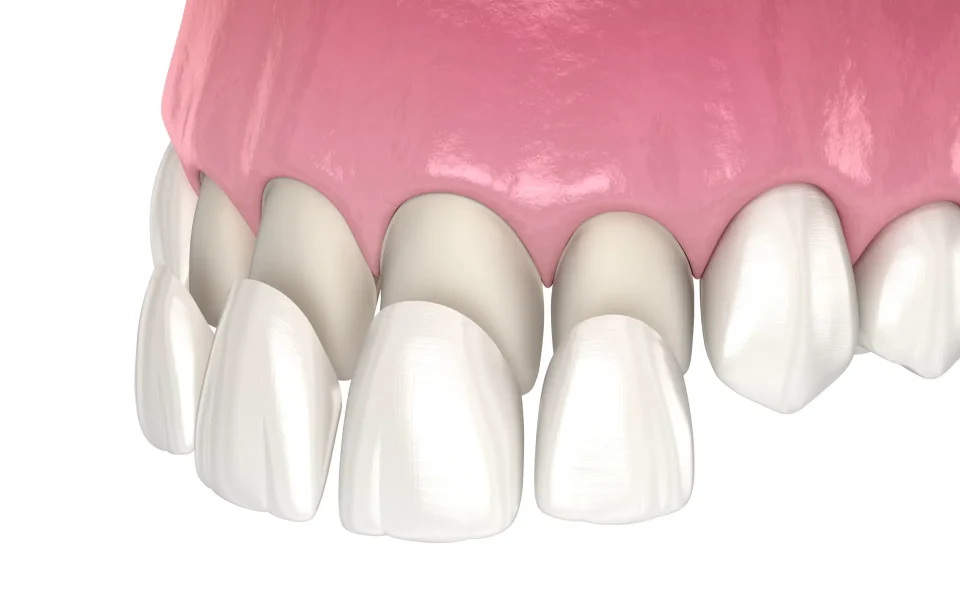
Dental Implant vs. Bridge vs. Denture
| Option | Typical Cost | Average Lifespan | Pros | Potential Drawbacks |
| Dental Implant | $3,000–$6,000 per tooth | 20+ years with proper care | Feels natural, preserves bone, doesn’t affect neighboring teeth | Higher upfront investment |
| Dental Bridge | $2,000–$5,000 | 10–15 years | Lower initial cost, no surgery | Requires reshaping healthy neighboring teeth |
| Partial Denture | $1,000–$3,000 | 5–10 years | Most affordable replacement option | May feel less stable and require adjustments |
For many patients, implants provide the best long-term value because they often last much longer than other tooth replacement options when properly maintained.
Does Dental Insurance Cover Dental Implants?
Insurance coverage has improved over the past several years, but it varies significantly between plans.
Some dental insurance policies now cover:
- The implant itself
- The crown
- Tooth extractions
- Bone grafting
- Diagnostic imaging
Others may only cover portions of treatment or classify implants as a major service with annual maximums.
Before beginning treatment, it’s helpful to have your dental office review your insurance benefits and explain your expected out-of-pocket costs.
Are Dental Implants Worth the Cost?
For many patients, the answer is yes but not simply because implants look natural.
Patients often choose implants because they:
- Restore normal chewing ability
- Help preserve jawbone over time
- Feel secure without slipping
- Can last for decades with good oral hygiene
- Don’t require altering healthy neighboring teeth
However, implants aren’t automatically the best choice for everyone.
They may not be ideal if you:
- Have uncontrolled gum disease
- Smoke heavily without plans to quit
- Have certain medical conditions that affect healing
- Prefer a lower upfront cost over long-term durability
A thorough evaluation can help determine whether implants or another tooth replacement option makes the most sense.
What Happens If You Wait?
Missing teeth don’t always cause immediate pain, but delaying treatment can create additional challenges over time.
Without a tooth root, the jawbone begins to shrink naturally. Neighboring teeth may drift into the empty space, affecting your bite and making future treatment more complicated.
Waiting doesn’t necessarily mean implants become impossible, but it can increase the need for additional procedures like bone grafting.
Questions to Ask Before Choosing Dental Implants
Before committing to treatment, consider asking:
- Am I a good candidate for dental implants?
- Will I need bone grafting or other preparatory procedures?
- What’s included in the treatment estimate?
- How long will the entire process take?
- What financing options are available?
- How long should I expect my implant to last?
Having clear answers can help you compare treatment options with confidence.
The Bottom Line
Dental implants typically cost more upfront than bridges or dentures, but they also offer benefits that many patients find worthwhile: stability, durability, natural appearance, and the ability to help preserve the jawbone.
The next step isn’t deciding whether implants are “worth it” based on price alone. It’s finding out whether they’re the right solution for your smile, your oral health, and your long-term goals. A good dental consultation should help you understand your options, explain the costs clearly, and give you the information you need to make the decision that’s right for you.
Get honest dental implant pricing.
No surprises—just expert guidance, customized care, and flexible payment solutions. Call now.