




Fast, Natural-Looking Restorations Designed for Comfort and Confidence
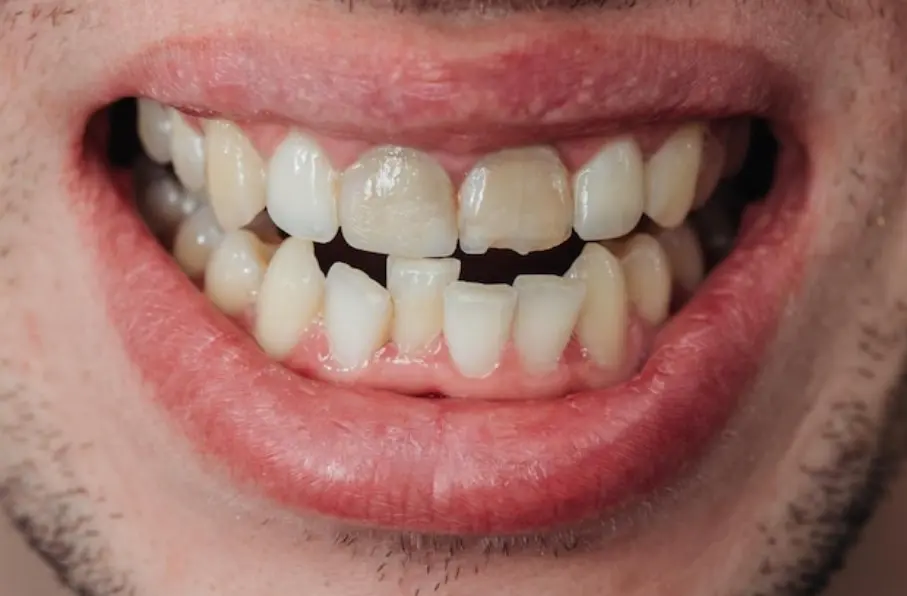
A chipped tooth can happen suddenly from biting something hard, falling, sports trauma, grinding, or damage around an older filling. Even a small chip can affect the way a tooth looks or feels, while deeper fractures may weaken the tooth or cause sensitivity when eating.
At River District Smiles, we evaluate chipped and broken teeth for patients in Rock Hill, SC, and surrounding communities. Treatment is based on the size and location of the damage, how much healthy tooth structure remains, your bite, symptoms, and cosmetic goals.
Depending on the condition of the tooth, treatment may include smoothing, dental bonding, a filling, veneer, onlay, crown, or another appropriate restorative option.
Chipped Teeth Can Be More Than a Cosmetic Concern
A small chip may initially seem like an appearance issue.
You might notice:
- A rough edge
- A small piece of enamel missing
- Mild sensitivity
- A change in tooth shape
- Irritation to your tongue or cheek
Other injuries extend deeper than they appear.
A tooth may also be weakened by decay, an old filling, grinding, or a previous crack before a visible piece finally breaks away.
That is why having the tooth evaluated can be useful even when the damage does not hurt.

What Commonly Causes a Chipped Tooth?
Teeth can chip for many reasons.
Common causes include:
- Biting ice or hard candy
- Chewing popcorn kernels or hard foods
- Sports injuries
- Falls or accidental impacts
- Teeth grinding or clenching
- Large existing fillings
- Tooth decay
- Enamel wear
- Using teeth to open packages
- Previous dental trauma
In some cases, the final chip occurs during normal chewing because the tooth was already structurally weakened.

Does Every Chipped Tooth Need Immediate Treatment?
Not necessarily.
A very small, painless enamel chip may be able to wait for a regular appointment.
Faster evaluation is appropriate when you have:
- Significant tooth pain
- Lingering sensitivity
- Pain when biting
- A large piece of tooth missing
- Bleeding
- Gum or facial swelling
- A loose tooth
- A change in your bite
- Major dental trauma
If you are unsure how urgent the problem is, contact River District Smiles and describe what happened. Our team can help determine the appropriate timing for an evaluation.
Why Early Evaluation Can Matter
A chipped tooth does not automatically become a larger dental problem, but some fractures can worsen under continued chewing pressure.
Earlier evaluation may help identify:
- A crack extending beyond the visible chip
- Tooth decay beneath the damaged area
- A failing filling
- Bite forces contributing to the fracture
- Exposed or irritated deeper tooth structure
- Signs of infection
- Whether the tooth needs reinforcement
A smaller repair may be possible when enough strong natural tooth structure remains.
If additional structure fractures away, a more extensive restoration may become necessary.
Treatment Options for a Chipped Tooth
Every chipped tooth is different.
The appropriate repair depends on:
- Size of the chip
- Tooth location
- Amount of healthy structure remaining
- Bite forces
- Appearance
- Existing dental work
- Presence of decay
- Whether deeper tissues are affected
Our goal is to use an appropriate, conservative treatment that restores function while preserving healthy natural tooth structure whenever possible.
Dental Bonding
Dental bonding is commonly used for small to moderate chips, particularly on visible front teeth.
A tooth-colored composite material is applied to the damaged area and carefully shaped to recreate the missing portion of the tooth.
The material is then hardened and polished.
Bonding May Be Appropriate For:
- Small front-tooth chips
- Minor enamel fractures
- Uneven tooth edges
- Small cosmetic defects
- Limited structural damage
Bonding generally requires less alteration of the natural tooth than more extensive restorations.
However, bonded material can wear, stain, or chip over time, particularly when exposed to heavy bite forces.
Tooth Reshaping and Enamel Contouring
A tiny enamel chip may sometimes require only smoothing or reshaping.
The dentist carefully refines the rough or uneven edge to make the tooth feel more comfortable and improve its appearance.
Contouring May Be Appropriate For:
- Very small enamel chips
- Sharp edges
- Minor irregularities
- Small differences in tooth shape
This approach is only suitable when enough healthy enamel remains and additional restoration is unnecessary.
Dental Fillings
A filling may be appropriate when a limited fracture occurs around an area of decay or an existing restoration.
Damaged or decayed tooth structure is addressed, and restorative material is used to rebuild the affected area.
A filling may work well when enough strong tooth structure remains to support it.
When the damage is more extensive, additional coverage may be recommended.
Dental Onlays
An onlay can restore a larger portion of a back tooth without covering the entire visible surface.
It may be considered when:
- One or more cusps have fractured
- A large filling has weakened the tooth
- More coverage is needed than a filling can provide
- Enough healthy structure remains to avoid a full crown
An onlay can be a useful middle option between a filling and a crown in selected cases.
Porcelain Veneers
A veneer may be considered when a visible front tooth has a larger cosmetic chip and enough healthy tooth structure remains.
A veneer is a thin custom restoration bonded to the front surface of the tooth.
It may improve:
- Shape
- Length
- Proportion
- Surface appearance
- Color
Veneers are not necessary for every chipped front tooth.
For smaller damage, bonding may provide a more conservative solution.
Dental Crowns
A dental crown may be recommended when a significant portion of the tooth has fractured or when the remaining structure needs greater protection.
A crown covers most or all of the visible prepared tooth.
It can help restore:
- Strength
- Shape
- Chewing function
- Appearance
- Protection for weakened structure
A Crown May Be Considered When:
- A large portion of the tooth is missing
- Several tooth walls are weakened
- A large filling has fractured
- A cusp has broken
- Significant structural damage is present
- A smaller restoration would not provide predictable support
A crown is not automatically necessary simply because a tooth has chipped.
The condition of the remaining tooth should guide the treatment decision.
What if the Chip Extends Deep Into the Tooth?
A deep fracture requires careful evaluation because the visible chip may not show the full extent of the injury.
Symptoms may include:
- Significant sensitivity
- Persistent aching
- Pain when chewing
- Throbbing
- Swelling
- Tooth discoloration
- Tenderness around the tooth
River District Smiles can examine the affected tooth and use diagnostic imaging when appropriate to help determine how deeply the damage extends.
Depending on the findings, available treatment through our practice may include restorative care, reinforcement with a crown, management of surrounding tissues, or extraction when the tooth cannot be predictably maintained.
If the condition requires treatment outside the services available through River District Smiles, our team can explain what was found and discuss the appropriate next step.
When Might a Chipped Tooth Need Extraction?
Most chipped teeth do not need to be removed.
Extraction may be considered when the damage leaves the tooth without a predictable restorative outlook.
Possible reasons include:
- A severe fracture extending into an unfavorable area
- A split tooth
- Extensive decay combined with fracture
- Too little healthy structure remaining
- Significant loss of supporting tissues
- Severe trauma
Whenever reasonable, preserving a natural tooth is generally preferred.
Extraction becomes an option when reliable restoration is no longer expected.
How We Determine the Right Chipped-Tooth Treatment
Your visit begins with an examination rather than assuming a particular restoration is necessary.
We may evaluate:
- Depth of the fracture
- Direction of the crack
- Amount of missing tooth structure
- Existing fillings or crowns
- Tooth sensitivity
- Pain when biting
- Gum health
- Bite forces
- Grinding or clenching patterns
- Signs of decay
- Signs of infection
- Condition of nearby teeth
Digital imaging may be recommended when it provides additional information about the affected tooth or surrounding structures.
Once the tooth has been evaluated, we can explain which treatment options are appropriate and why.
Can a Chipped Tooth Be Repaired in One Appointment?
Some chipped-tooth repairs can be completed during a single visit.
For example, selected cases involving:
- Minor smoothing
- Dental bonding
- Certain fillings
may be relatively straightforward.
More involved restorations may require additional treatment steps.
The timing depends on:
- Size of the fracture
- Tooth location
- Restoration selected
- Whether additional damage is present
- Appointment availability
Rather than promising the same timeline for every patient, we recommend having the tooth evaluated so the appropriate treatment can be planned.
What Should You Do Before Your Appointment?
If you have just chipped a tooth, a few simple steps can help protect the area.
Rinse Gently
Rinse your mouth with water to remove debris.
Save the Broken Piece
If you find the tooth fragment, keep it and bring it with you.
Do not scrub it aggressively.
Avoid Chewing on That Side
Use the other side of your mouth when possible until the tooth is evaluated.
Choose Softer Foods
Avoid hard, crunchy, or sticky foods that could place additional pressure on the damaged tooth.
Protect Sharp Edges
Dental wax can temporarily cover a sharp area that is irritating your tongue or cheek.
Use a Cold Compress for Swelling
Apply a cold compress externally if the injury caused swelling.
Contact a Dentist for Significant Symptoms
Call promptly if the chip is accompanied by:
- Severe pain
- Significant sensitivity
- Bleeding
- Swelling
- A loose tooth
- Major trauma
What Should You Avoid Doing After Chipping a Tooth?
Do not attempt to repair the tooth yourself.
Avoid:
- Household glue
- Filing the tooth at home
- Putting chemicals on the tooth
- Repeatedly biting on it to test the damage
- Continuing to chew hard foods on the affected side
These actions can make the problem more difficult to manage.
Can a Chipped Tooth Become Infected?
It can if the fracture exposes or compromises deeper areas of the tooth.
Signs that deserve prompt evaluation include:
- Increasing pain
- Swelling
- Drainage
- Bad taste
- Throbbing
- Fever associated with dental symptoms
- Increasing pain when chewing
Not every sensitive chipped tooth is infected.
An examination is needed to determine what is causing the symptoms.
Can Teeth Grinding Cause Chipping?
Yes.
Grinding and clenching can repeatedly expose teeth to heavy pressure.
Over time, this can contribute to:
- Enamel wear
- Small fractures
- Chipped edges
- Damaged fillings
- Cracked teeth
- Tooth sensitivity
Other signs may include:
- Morning headaches
- Jaw soreness
- Facial muscle tension
- Flattened tooth surfaces
If grinding appears to be contributing to repeated damage, your dentist may discuss a protective nightguard or other appropriate strategies.
How Long Does Chipped-Tooth Repair Last?
There is no single lifespan for every restoration.
Longevity depends on:
- Type of repair
- Size of the damaged area
- Tooth location
- Bite forces
- Grinding or clenching
- Oral hygiene
- Diet
- Future dental trauma
Bonding may last for several years but can eventually stain, wear, or fracture.
Veneers, onlays, and crowns may function for many years, but none should be considered permanent or guaranteed for life.
Regular dental examinations help monitor both the restoration and the tooth supporting it.
How Can You Reduce Your Risk of Chipping Another Tooth?
Some dental injuries cannot be prevented, but several habits may help reduce avoidable risks.
Avoid Chewing Ice
Ice can place substantial pressure on natural teeth and restorations.
Be Careful With Very Hard Foods
Hard candy, kernels, and similar objects can contribute to fractures.
Do Not Use Teeth as Tools
Avoid using your teeth to open packages or cut objects.
Wear a Sports Mouthguard
A properly fitted mouthguard can help reduce the risk or severity of certain sports-related dental injuries.
Address Grinding and Clenching
If you grind or clench your teeth, ask your dentist about protective options.
Treat Cavities and Failing Restorations
Decay and damaged fillings can weaken teeth and make them more vulnerable to fracture.
Maintain Regular Dental Visits
Routine examinations can help identify:
- Enamel wear
- Cracks
- Damaged fillings
- Decay
- Bite problems
- Grinding patterns
Why Choose River District Smiles for Chipped Tooth Repair?
Personalized Treatment Planning
We evaluate the actual extent of the damage before recommending a restoration.
Cosmetic and Restorative Options
Depending on the tooth, treatment may include bonding, fillings, veneers, onlays, crowns, or another appropriate solution.
Digital Diagnostic Technology
Digital imaging may help us evaluate fractures, existing dental work, and surrounding structures when additional information is needed.
Natural-Looking Restorations
Tooth-colored materials can be selected and shaped to coordinate with surrounding teeth.
Conservative Care
Whenever possible, we aim to preserve healthy natural tooth structure while providing enough support for comfortable function.
Clear Next-Step Guidance
If your injury requires treatment outside the services available through River District Smiles, we can explain our findings and discuss the appropriate next step.
Restore a Chipped Tooth Before More Structure Is Lost
A chipped tooth does not always require extensive dental treatment.
Small chips may need only minor smoothing or bonding.
Larger fractures may require a filling, onlay, veneer, or crown.
The right choice depends on the amount of healthy tooth structure remaining and whether the damage affects comfortable chewing, appearance, or the long-term stability of the tooth.
Rather than waiting for a small problem to become painful, have the tooth evaluated and learn which treatment options are appropriate.
Schedule Chipped Tooth Repair in Rock Hill, SC
At River District Smiles, we provide chipped-tooth evaluation and restorative care for patients in Rock Hill, SC, and surrounding communities.
Whether your tooth was damaged by an accident, biting something hard, decay, a failing filling, or teeth grinding, our team can examine the area and determine which treatment may restore its appearance and function.
Available care may include dental bonding, fillings, veneers, onlays, crowns, tooth extraction when appropriate, or another restorative option.
If your condition requires care outside the services available through River District Smiles, we can explain our findings and discuss the appropriate next step.
Contact River District Smiles to schedule an evaluation for a chipped or broken tooth in Rock Hill, SC.
Experience the River District Smiles Difference
Drs. Matthew and Emily Hubis welcome patients of all ages for personalized general and cosmetic dental care in Rock Hill, SC.
If you have chipped, fractured, or broken a tooth, schedule an appointment with River District Smiles to determine how much damage occurred and which treatment option may best restore comfortable function and a natural-looking smile.