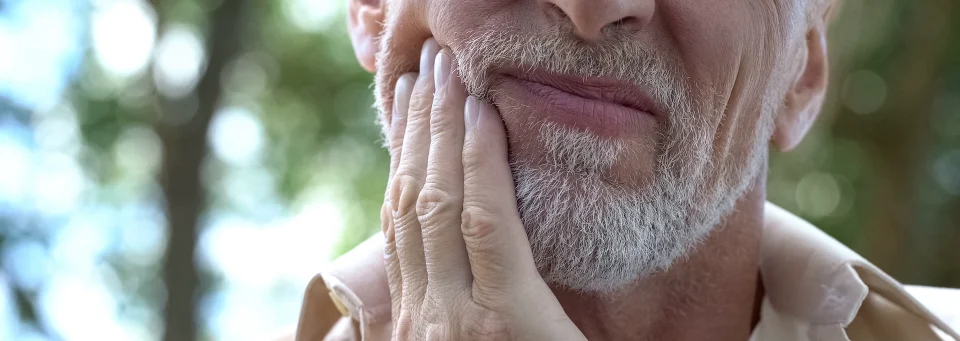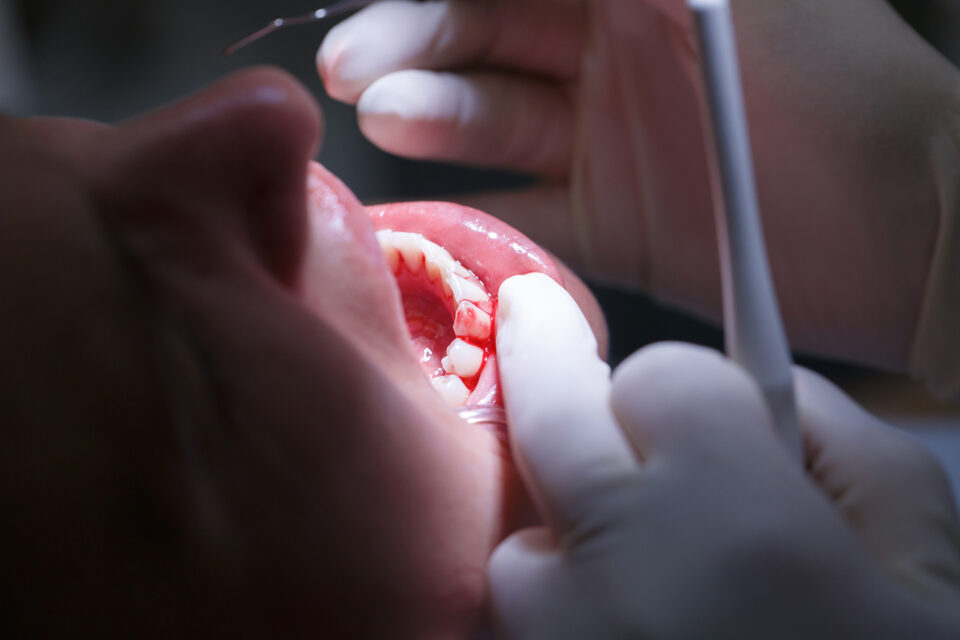

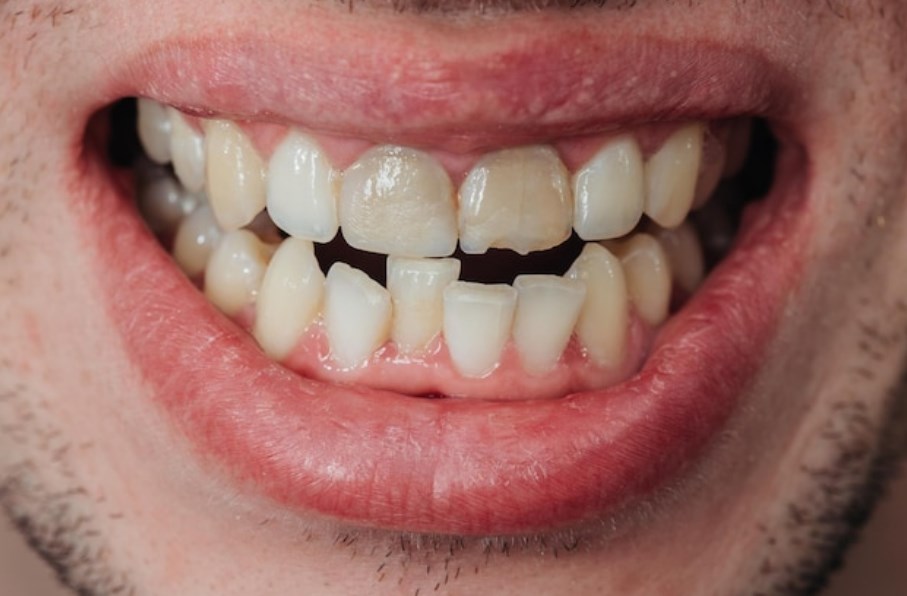


A chipped tooth may seem like a minor inconvenience at first, something you could easily ignore and hope will eventually be forgotten. But a small chip in your tooth can actually lead to a domino effect, setting off a chain reaction of dental and health problems that may become far more serious than you originally imagined.
A small break in a tooth can trigger significant issues over time, affecting your smile, your bite, and even your overall oral health. Understanding how one seemingly insignificant dental issue can lead to additional complications shows why it is important to address even small chips before they become more difficult to manage.
How Can a Small Chipped Tooth Lead to More Serious Dental Issues?
A chipped tooth, though often caused by something as simple as biting down on hard food or an accidental knock, can quickly develop into something more significant.
At first glance, the chip may seem harmless, perhaps just a small dent or crack on the surface of your tooth. However, what you may not realize is that this seemingly insignificant issue can lead to a cascade of more serious dental problems.
Here’s how:
- Exposed Nerves: Depending on the severity of the chip, it could expose sensitive areas inside the tooth. When this happens, even slight contact with hot or cold foods and beverages can cause significant discomfort. The longer the damage remains untreated, the greater the possibility of bacteria reaching deeper portions of the tooth or surrounding tissues.
- Increased Risk of Decay: A chip in your tooth can create an opening where bacteria and food debris collect. Rough or damaged edges may trap food particles, providing an environment where plaque can accumulate. Over time, this can increase the risk of tooth decay, weaken the tooth structure, and contribute to larger cavities.
- Tooth Sensitivity: Even a small chip can lead to increased sensitivity. The damaged area may expose dentin, the softer layer beneath the enamel. Over time, sensitivity can become more noticeable, making it uncomfortable to eat or drink certain foods and beverages. If the damage progresses, more extensive dental treatment may eventually be necessary.
- Weakening of the Tooth Structure: A chipped tooth is naturally weaker than an intact tooth. Continuing to chew on the damaged area without treatment can place additional pressure on it. Over time, the chip may develop into a larger crack or fracture that requires a stronger restoration, such as a dental crown, or another appropriate treatment based on the condition of the tooth.
In essence, while a chipped tooth may seem trivial at first, the potential for complications grows over time.
Ignoring a small chip is similar to ignoring a small leak in your roof. The longer it remains unaddressed, the greater the chance that the problem will become more difficult and expensive to repair.
What Are the Long-Term Risks of Ignoring a Chipped Tooth?
Ignoring a chipped tooth may seem harmless, particularly if it does not hurt. Over time, however, the damaged tooth may become vulnerable to additional dental problems.
If you do not seek treatment for a chipped tooth, you could face complications that require more time, more extensive dental care, and greater expense later.
Here are some of the risks of letting a chipped tooth go untreated:
- Infection and Abscesses: When a chip exposes deeper layers of the tooth, bacteria may enter areas that are normally protected by enamel. If an infection develops and is left untreated, an abscess may form. An abscess is a pocket of infection that can develop around a tooth or nearby gum tissue. Dental infections can cause significant pain, swelling, bone loss, and other complications if they are not professionally evaluated.
- Tooth Loss: A chipped tooth that is not properly repaired may continue to weaken. If the chip expands or the tooth develops a larger fracture, preserving the tooth may become more difficult. In some cases, severe structural damage can make extraction necessary. Losing a tooth can affect your appearance, confidence, bite, and ability to chew comfortably.
- Jaw Problems: A chipped tooth can affect how you bite and chew. If the damage changes the way your teeth come together, other teeth and jaw muscles may compensate for the difference. This can contribute to uneven pressure, jaw discomfort, muscle tension, and problems involving the temporomandibular joint.
- More Complicated Restorative Treatment: Leaving a chipped tooth untreated can allow the damage to become more severe. What might initially have required a simple bonding procedure could later require a crown, extraction, dental implant, or another more extensive restorative approach.
- Cosmetic Issues: If the chip affects a visible tooth, it can quickly change the appearance of your smile. As the damage becomes larger, repairing the tooth aesthetically may also become more complicated. Early treatment may make it easier to restore the tooth while preserving more of its natural appearance.
While a chipped tooth may not initially seem like a pressing issue, the long-term risks of neglecting it can affect both oral health and everyday comfort.
How Does a Chipped Tooth Affect Surrounding Teeth Over Time?
You may wonder why a small chip in one tooth should matter to the rest of your teeth.
The answer lies in the way your teeth work together. Every tooth contributes to the way you bite, chew, and distribute pressure throughout your mouth.
Over time, a damaged tooth can create a ripple effect involving the surrounding teeth.
Here’s how:
- Shifting of Teeth: Significant tooth damage can affect the balance of your bite. When one tooth can no longer function normally, surrounding teeth may gradually compensate. Changes in tooth position or bite alignment can contribute to uneven wear and additional stress.
- Increased Pressure on Other Teeth: If you begin avoiding the chipped tooth while chewing, you may unconsciously place more pressure on the opposite side of your mouth or on neighboring teeth. Repeated excess pressure can increase the risk of wear, cracks, fractures, and other problems.
- Uneven Wear: A damaged tooth may change the way your upper and lower teeth meet. Over time, this can contribute to uneven enamel wear, sensitivity, or damage to surrounding teeth.
- Gum Problems: Depending on where the tooth is chipped, the damaged area may trap plaque and food close to the gumline. Persistent buildup can irritate the gums and make the area more difficult to clean. Gum recession may also expose sensitive portions of the tooth and increase vulnerability to decay.
Simply put, one damaged tooth can influence the way the rest of your mouth functions.
Addressing the original chip may help prevent a small, localized problem from creating additional concerns across several teeth.
Why Is Early Treatment Important for Preventing Complications From a Chipped Tooth?
The key to preventing the domino effect is early intervention.
Taking action soon after noticing a chipped tooth can help reduce the likelihood that the damage will spread and may allow for a more conservative repair.
Here’s why early treatment is so important:
- Preventing Further Damage: The sooner a chipped tooth is evaluated, the greater the opportunity to keep the damage from spreading. A small chip may sometimes be treated with bonding or another conservative restoration. Waiting can allow the tooth to fracture further and may eventually make a larger restoration, extraction, or other treatment necessary.
- Preserving Tooth Structure: Treating a chipped tooth early helps preserve as much natural tooth structure as possible. As the damage increases, more of the tooth may need to be repaired or removed. Early intervention can help keep treatment focused on the damaged portion rather than requiring a more extensive restoration.
- Reducing Pain and Discomfort: A chipped tooth can cause discomfort or sensitivity, particularly when deeper layers of the tooth become exposed. Early treatment can help reduce sensitivity and protect the damaged area before symptoms become more severe.
- Maintaining Your Smile and Confidence: A chipped tooth, especially one that is visible when you smile, can affect your confidence. Repairing the damage can restore the tooth’s natural shape and help you feel more comfortable when smiling, speaking, or interacting with others.
- Avoiding Additional Health Risks: A damaged tooth can become vulnerable to decay, bacterial infection, and abscess formation. Addressing the chip early reduces the opportunity for these complications to develop.
The bottom line is that a chipped tooth, no matter how small, should not automatically be ignored.
Early evaluation can help determine whether the damage is purely cosmetic or whether the tooth requires treatment to prevent additional problems.
While a chipped tooth may seem like a minor concern at first, leaving it untreated can have far-reaching consequences. The damage may become larger, bacteria may enter vulnerable areas, chewing patterns can change, and surrounding teeth may gradually experience additional stress.
The good news is that seeking treatment early may help prevent many of these complications.
Depending on the size and location of the chip, treatment may be relatively conservative. Options can include smoothing a rough edge, dental bonding, a filling, or a crown when greater structural protection is necessary.
The appropriate treatment depends on how much tooth structure has been damaged and whether the tooth remains strong enough to function normally.
If you have chipped a tooth, scheduling a dental examination can help you understand the extent of the damage and determine whether treatment is needed now.
Addressing a small problem today may prevent it from becoming a much larger dental issue later.
Don’t Let a Small Chip Become a Big Problem: Schedule Your Dental Appointment Today!
A chipped tooth might seem insignificant now, but leaving it untreated could allow the damage to become more complicated and expensive to address.
The team at River District Smiles can evaluate the damaged tooth, determine how extensive the chip or fracture is, and discuss appropriate options for restoring its appearance and function.
Take action now to protect your oral health and prevent a small dental problem from creating additional complications.
Book your appointment today and take the next step toward protecting your smile.