


A chipped or cracked tooth does not automatically mean you need veneers. Depending on the location and extent of the damage, bonding, a filling, contouring, or a dental crown may restore the tooth while preserving as much healthy structure as possible.
The right treatment depends on whether the damage is mainly cosmetic or whether it has weakened the tooth. Small chips may need only a conservative repair, while deeper cracks often require additional protection.
If you are considering chipped tooth repair or cracked tooth treatment in Rock Hill, SC, a dental examination can help determine which option makes the most sense before the damage becomes more difficult to manage.
Can Dental Bonding Fix a Chipped Tooth?
Yes. Dental bonding is one of the most common options for repairing small chips and minor cosmetic damage.
What Is Dental Bonding?
Dental bonding uses a tooth-colored resin that is applied directly to the damaged portion of the tooth.
The material is carefully shaped to restore the tooth’s appearance, then hardened and polished so it blends with the surrounding enamel.
Because bonding generally requires little alteration to the natural tooth, it can be a conservative option for minor damage.
Why Bonding Works Well
Bonding may be appropriate for:
- Small chips
- Minor surface cracks
- Slightly uneven tooth edges
- Small gaps
- Cosmetic imperfections
For suitable cases, treatment can often be completed without extensive preparation of the tooth.
Benefits of Bonding
Dental bonding offers several advantages:
- Often completed in one appointment
- Usually requires minimal tooth preparation
- May not require anesthesia for minor repairs
- Generally costs less than veneers
- Uses tooth-colored material
- Can improve the shape and appearance of a damaged tooth
Limitations of Bonding
Bonding is not appropriate for every damaged tooth.
It may not provide enough support when there is:
- A large fracture
- Significant loss of tooth structure
- A deep crack
- Heavy biting pressure
- Extensive damage to a back tooth
Bonding material can also stain, chip, or wear over time, particularly when it is exposed to strong biting forces.
Bottom Line
For a minor chip, bonding may provide an effective chipped tooth repair without requiring a veneer.
The important step is determining whether the damage is limited to the surface or extends deeper into the tooth.
What Is the Cheapest Way to Repair a Cracked Tooth?
The least expensive treatment depends on how much damage is present.
A very small chip or superficial crack may require only a conservative repair. A deeper fracture may need stronger protection even if the initial treatment costs more.
More Affordable Tooth Repair Options
Depending on the condition of the tooth, possible options include:
Dental Bonding
Bonding is often one of the more affordable choices for small chips and minor cosmetic defects.
Dental Filling
When a damaged area is relatively small and the remaining tooth structure is strong, a filling may sometimes restore the area.
Smoothing or Contouring
If only a tiny amount of enamel has chipped away, the dentist may be able to gently smooth or reshape the edge.
This is generally reserved for very minor damage.
Why Cost Varies
The cost of cracked tooth treatment in Rock Hill, SC can depend on:
- The size of the damaged area
- Whether the crack affects the strength of the tooth
- The location of the tooth
- The type of restoration required
- Materials used
- Whether existing dental work is involved
- Whether additional diagnostic imaging is needed
A small front-tooth chip is very different from a fractured molar that absorbs strong chewing forces.
When the Cheapest Option May Cost More Later
Choosing the least expensive treatment is not always the most economical choice over time.
If a repair does not provide enough protection, the tooth may:
- Crack further
- Become more sensitive
- Lose additional structure
- Require another restoration
- Become difficult to save
- Eventually require extraction
The goal should be to choose the least extensive treatment that can predictably protect the tooth.
A Practical Approach
Start with an examination.
Once the dentist determines how deep the damage extends, you can compare the reasonable repair options based on durability, appearance, cost, and the amount of natural tooth structure that can be preserved.
Do Small Chips Need Treatment at All?
Not every chipped tooth requires immediate treatment.
Some tiny enamel chips cause no pain and do not interfere with biting or chewing. However, even seemingly minor damage should be evaluated if you are unsure how far it extends.
When a Small Chip May Not Need Urgent Treatment
A chip may not require immediate repair when it:
- Does not hurt
- Does not cause sensitivity
- Does not interfere with your bite
- Has not created a sharp edge
- Appears limited to a small amount of enamel
Some people still choose cosmetic repair because the chip is visible when they smile.
Why You Should Still Have It Checked
A small chip can sometimes be the visible portion of a larger problem.
Damage may worsen when the tooth is exposed to:
- Grinding or clenching
- Hard foods
- Ice chewing
- Nail biting
- Uneven bite pressure
- Repeated trauma
A dentist can also determine whether the edge is stable or likely to continue breaking.
Preventing Additional Damage
When treatment is appropriate, a conservative repair may:
- Smooth a rough edge
- Restore the shape of the tooth
- Improve appearance
- Reduce stress on a weakened area
- Help prevent a larger fracture
Key Takeaway
A small chip is not always an emergency, but it should not automatically be ignored.
An examination can determine whether the damage is purely cosmetic or whether the tooth needs protection.
Can a Cracked Tooth Heal on Its Own?
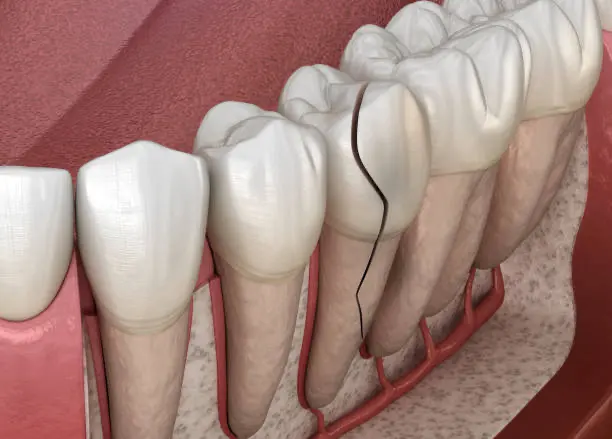
No. A cracked tooth cannot repair itself in the way that a broken bone can heal.
Once tooth structure has fractured, the crack remains.
Why Teeth Do Not Repair Structural Cracks
The outer enamel of a tooth does not regenerate after it has fractured.
A crack may stay relatively stable for a period of time, or it may gradually spread as the tooth experiences repeated pressure from chewing and biting.
What Can Happen If a Crack Is Ignored?
An untreated crack may lead to:
- Increasing sensitivity
- Pain while chewing
- Further structural damage
- Bacterial contamination
- Infection
- A larger fracture
- Loss of the tooth
Some cracks are difficult to see without a dental examination because they may be extremely thin or hidden beneath an existing restoration.
Why Early Evaluation Matters
Prompt cracked tooth treatment in Rock Hill, SC may help:
- Limit additional damage
- Preserve more natural tooth structure
- Reduce discomfort
- Protect the tooth during chewing
- Avoid more complicated treatment later
The earlier a crack is evaluated, the more treatment options may be available.
Bottom Line
A crack will not close or heal by itself.
If you suspect a cracked tooth, particularly if you experience pain when biting or releasing your bite, schedule an evaluation.
Is Bonding Better Than Veneers for Minor Damage?
For small chips and minor cosmetic imperfections, bonding is often a more conservative option than veneers.
The two treatments serve different purposes.
Bonding
Bonding typically involves:
- Minimal alteration of the tooth
- Tooth-colored resin
- A relatively quick procedure
- Lower initial cost
- Simple repair of small imperfections
Veneers
Veneers generally involve:
- Covering the visible front surface of the tooth
- More extensive cosmetic planning
- Higher cost
- Removal of some enamel in many cases
- A longer-lasting cosmetic transformation
Veneers are usually considered when the goal extends beyond repairing one small chip.
When Bonding May Be the Better Option
Bonding may be appropriate for:
- A small chipped edge
- A minor surface defect
- Slight unevenness
- A small cosmetic crack
- Limited damage to one tooth
It can restore the damaged area without treating more of the tooth than necessary.
When Veneers May Be Considered
Veneers may make more sense when someone wants to address several cosmetic concerns at the same time, such as:
- Multiple visibly damaged teeth
- Significant shape differences
- Persistent discoloration
- Uneven tooth proportions
- Broader smile changes
The decision should be based on the health of the teeth as well as cosmetic goals.
Final Verdict
For minor chipped tooth repair, bonding is frequently the more conservative solution.
Veneers may be valuable for broader cosmetic changes, but they are not automatically required just because a tooth has chipped.
How Long Does Tooth Bonding Last?
Dental bonding does not have a fixed expiration date.
Its lifespan varies based on the size and location of the repair, the patient’s bite, oral habits, and how well the restoration is maintained.
Typical Lifespan
Bonding can often remain functional for several years before it needs polishing, repair, or replacement.
Smaller repairs in areas that receive limited biting pressure may last longer than bonding placed on an edge that regularly absorbs heavy force.
Factors That Affect Longevity
Bonding may wear faster when you:
- Bite your fingernails
- Chew ice
- Bite pens or other hard objects
- Grind or clench your teeth
- Frequently eat very hard foods
- Use your teeth to open packages
Staining foods and beverages may also gradually change the appearance of the bonding material.
How to Help Bonding Last
To protect a bonded tooth:
- Brush and clean between your teeth daily
- Avoid chewing ice
- Do not use your teeth as tools
- Limit habits that place excessive pressure on the repair
- Attend routine dental visits
- Ask about a night guard if you grind or clench your teeth
If the bonding begins to feel rough or chipped, have it evaluated instead of waiting for a larger portion to break.
Is Bonding Worth It?
For the right type of damage, bonding can provide a useful balance between appearance, affordability, and conservative treatment.
It is particularly helpful when only a small portion of the tooth needs repair.
Can a Crown Fix a Cracked Tooth Instead of Veneers?
Yes. A dental crown may be more appropriate than a veneer when a cracked tooth needs structural support rather than primarily cosmetic improvement.
What Is a Dental Crown?
A dental crown covers the visible portion of a tooth.
It is designed to restore the tooth’s shape while helping it withstand normal chewing forces.
A crown may be used to:
- Strengthen a weakened tooth
- Cover significant damage
- Restore a large broken area
- Protect remaining tooth structure
- Improve shape and appearance
- Rebuild a tooth with a large existing restoration
Unlike a veneer, which primarily covers the front surface, a crown surrounds more of the tooth.
When Crowns May Be Recommended
A crown may be considered for:
- Larger cracks
- Teeth that have lost substantial structure
- Weak or heavily restored teeth
- Large fractures
- Teeth with extensive fillings
- Damage in areas exposed to strong chewing pressure
The dentist will evaluate how much healthy tooth remains and whether the crack appears stable enough for the tooth to be restored.
Benefits of Crowns
Crowns can provide:
- Full-coverage protection
- Improved strength
- Restored chewing function
- Natural-looking materials
- Protection for weakened tooth structure
- Greater durability than bonding in certain situations
Crowns vs. Veneers
Crowns and veneers have different purposes.
A veneer is primarily used to improve the visible surface of a tooth. It can change shape, color, size, or appearance.
A crown provides more extensive coverage and is often selected when the primary concern is structural strength.
For that reason, a patient with a significant crack may be better served by a crown than by a veneer.
Best Use Case
For more advanced cracked tooth treatment in Rock Hill, SC, crowns may provide the additional protection a weakened tooth requires.
A dental examination can determine whether a filling, bonding, crown, or another approach offers the most predictable result.
Conclusion
A chipped or cracked tooth can be stressful, but veneers are only one of several possible treatment options.
Small chips may be repaired with bonding or, in some cases, simple reshaping. Other areas may be restored with a filling. Teeth with greater structural damage may need the protection of a crown.
The best treatment is not necessarily the largest or most cosmetic option.
It is the treatment that addresses the actual amount of damage while preserving as much healthy tooth structure as reasonably possible.
What matters most is having the tooth evaluated before a small problem becomes a larger one.
Early tooth repair can help restore comfort, improve appearance, protect chewing function, and reduce the risk of further damage.
Restore Your Smile Naturally in Rock Hill, SC
Fixing a chipped or cracked tooth does not always require veneers.
Depending on the condition of the tooth, bonding, fillings, contouring, or crowns may provide a practical way to restore both appearance and function.
Understanding your options for tooth repair can help you make a more informed decision, whether you need a simple chipped tooth repair or more extensive cracked tooth treatment in Rock Hill, SC.
At River District Smiles, we focus on evaluating the condition of the tooth and recommending treatment based on your individual needs.
If you have chipped, cracked, or otherwise damaged a tooth, schedule an appointment to have it examined and learn which repair options may be appropriate for your smile.