


Life along the Catawba River offers more than beautiful views and outdoor adventures. The Riverwalk Lifestyle in Rock Hill, SC, combines fitness, recreation, community connections, and everyday wellness, but dental health is one important part of an active lifestyle that often gets overlooked. From staying hydrated during morning runs to protecting teeth during cycling activities, small oral care decisions can make a meaningful difference.
For residents who enjoy Riverwalk’s scenic trails, neighborhood gatherings, and active atmosphere, maintaining a healthy smile should feel just as natural as putting on running shoes. This lifestyle audit explores how everyday activities influence oral health and how Rock Hill families can build dental care into their favorite routines without sacrificing the fun.
Life Along the Catawba: Where Healthy Habits Meet Beautiful Smiles
Rock Hill’s Riverwalk community offers a refreshing combination of outdoor recreation, residential living, and opportunities for social connection.
The Catawba River serves as a scenic backdrop for walking, running, cycling, and other activities that encourage residents to spend time outdoors.
The area’s paved trails, recreational facilities, and nearby gathering places create an environment where physical activity can become part of daily life.
The Catawba River Trail at Riverwalk stretches approximately 3.35 miles and connects Riverwalk with River Park. Its combination of flat and hilly sections appeals to walkers, runners, and cyclists with different fitness goals.
Nearby recreational attractions, including the Rock Hill Velodrome and BMX facilities, add to the area’s athletic character.
Yet the Riverwalk Lifestyle involves more than physical exercise.
It includes weekend lunches, neighborhood conversations, family outings, and finding time for personal wellness amid busy schedules.
A healthy smile contributes to these experiences in several ways.
Strong teeth support comfortable eating, healthy gums contribute to overall oral wellness, and preventive dental care can reduce the likelihood of unexpected problems interfering with everyday activities.
Residents who already prioritize exercise and nutritious meals have an opportunity to extend those habits to oral health.
The goal is not to make dental care another complicated responsibility. It is to recognize how a healthy mouth complements an active, enjoyable life.
The Morning Trail Test: Is the Workout Routine Helping or Hurting Teeth?
A morning along the Catawba River might begin with a brisk walk, a challenging run, or a relaxing bike ride.
Exercise provides numerous benefits for cardiovascular health, muscle strength, mood, and general well-being.
However, physical activity can introduce oral health considerations that are easy to miss.
During exercise, people may breathe through their mouths more frequently, experience temporary dry mouth, or rely on sports beverages for hydration.
These habits are not automatically harmful, but they deserve attention.
Mouth Breathing During Exercise
As exercise intensity increases, breathing through the mouth may become more common.
This can contribute to oral dryness, especially during prolonged activity.
Saliva plays an important protective role by washing away food particles, buffering acids, and supplying minerals that support tooth enamel.
When saliva production or moisture decreases, the mouth may become less comfortable, and its natural protective functions can be reduced.
Occasional mouth breathing during exercise is normal. Persistent dry mouth, however, deserves attention, particularly when it occurs outside physical activity.
The Sports Drink Surprise
Sports drinks are often marketed as ideal companions for athletic performance.
Some contain electrolytes and carbohydrates that may be useful during prolonged, intense exercise.
However, many also contain sugar and acids.
Frequent exposure to acidic beverages can contribute to enamel erosion, while sugars provide fuel for cavity-causing bacteria.
For routine walks, moderate cycling sessions, and shorter workouts, plain water is generally an appropriate hydration choice.
People participating in prolonged strenuous exercise may have different hydration needs.
The key is choosing beverages based on actual activity demands instead of assuming every workout requires a brightly colored sports drink.
The Post-Workout Dental Check
After an outdoor workout, residents can support oral health by:
- Drinking plain water to maintain hydration.
- Avoiding prolonged sipping of sugary or acidic beverages.
- Choosing balanced snacks instead of relying exclusively on sweetened energy products.
- Paying attention to persistent dry mouth.
- Maintaining normal brushing and flossing routines.
These simple decisions help make the Riverwalk Lifestyle more supportive of long-term dental health.
Hydration Habits Deserve Their Own Wellness Audit
Rock Hill’s warm summers and humid weather make hydration especially important during outdoor activities.
Whether someone is walking beside the river or cycling through the neighborhood, drinking enough fluid helps support normal bodily functions.
Hydration also influences oral comfort.
Saliva is primarily composed of water, and adequate hydration helps support normal saliva production.
A consistently dry mouth can increase the risk of cavities, oral discomfort, and other dental problems.
For active residents, a reusable water bottle can become an everyday oral health companion.
Why Plain Water Wins
Water provides several advantages for dental health.
It helps rinse away food particles and does not expose teeth to added sugars.
Unlike acidic beverages, plain water does not create the same concern for dietary acid erosion.
Fluoridated drinking water also provides an additional benefit by helping protect teeth against decay.
Not all bottled water contains fluoride, so fluoride exposure depends on the water source.
Sparkling Water Needs a Little Context
Unsweetened sparkling water is generally a better choice than sugary soda.
However, carbonated beverages can be mildly acidic, and flavored varieties may contain additional acids.
Occasional consumption is unlikely to be a major issue for most people, but constantly sipping acidic drinks throughout the day can increase exposure.
Plain still water remains the simplest option for frequent hydration.
What About Lemon Water?
Adding lemon slices makes water refreshing, particularly after outdoor exercise.
Unfortunately, citrus fruits contain acids that can contribute to enamel erosion with frequent or prolonged contact.
Residents who enjoy lemon water can reduce exposure by drinking it with meals rather than sipping continuously for hours.
Rinsing with plain water afterward may also help.
The Riverwalk Lifestyle encourages thoughtful hydration rather than unnecessary restrictions.
A little awareness allows residents to stay refreshed while protecting their smiles.
Cycling Adventures Need More Than a Helmet
Cycling plays an important role in Riverwalk’s recreational identity.
From casual neighborhood rides to competitive cycling activities, the sport offers opportunities for exercise and enjoyment.
However, cycling also presents a potential risk of dental injuries.
A sudden fall or collision can damage teeth, lips, gums, or the jaw.
Helmets help reduce certain head injury risks, but they do not provide comprehensive protection for teeth.
When Is a Mouthguard Worth Considering?
A properly fitted athletic mouthguard can help reduce the risk and severity of dental injuries during activities with a meaningful risk of falls, collisions, or impact.
This can include BMX riding, competitive cycling, and other higher-risk recreational sports.
Not every leisurely bicycle ride requires a mouthguard, but riders should consider the nature of their activity and their individual risks.
A dentist can help determine whether additional protection would be appropriate.
Why Fit Matters
An athletic mouthguard should remain securely positioned while allowing comfortable breathing.
A poorly fitting guard may interfere with communication or feel uncomfortable during physical activity.
Custom-fitted options may offer improved comfort and retention for some athletes.
Regardless of the type, a mouthguard only helps when it is worn correctly.
Dental Injuries Should Never Be Ignored
A chipped tooth, loosened tooth, or injury to the mouth may require prompt dental attention.
Even when pain is mild, trauma can affect structures beneath the visible tooth surface.
If a permanent tooth is completely knocked out, immediate dental care is important. The tooth should be handled by its crown, not its root, and kept moist if it cannot be reinserted safely. Milk or an appropriate tooth-preservation solution may be used during transport.
Professional treatment should be sought as quickly as possible.
For participants in the Riverwalk Lifestyle, protecting a smile is another reason to prepare carefully before hitting the trails.
The Social Side of Riverwalk: Coffee, Conversations, and Confident Smiles
Outdoor recreation is only part of life in Riverwalk.
Meeting friends, enjoying meals, and spending time with neighbors contribute to the area’s community atmosphere.
These social activities often involve food and drinks, making them relevant to oral health.
Coffee, sweetened beverages, restaurant meals, and afternoon snacks can all fit into a balanced lifestyle.
The important consideration is how frequently teeth are exposed to sugars and acids.
Coffee Is Not the Enemy
Many Rock Hill residents begin their mornings with coffee.
Coffee can contribute to surface staining, particularly when consumed regularly.
Adding substantial amounts of sugar or flavored syrup may also increase cavity risk.
However, drinking coffee does not automatically mean someone will develop damaged teeth.
A reasonable approach involves moderating added sugars, drinking water afterward, and maintaining consistent dental hygiene.
The All-Day Sipping Habit
One habit deserves special attention.
Someone who slowly drinks sweetened coffee or soda throughout the morning repeatedly exposes teeth to sugar.
Oral bacteria can use that sugar to produce acids, creating recurring periods of enamel demineralization.
Finishing a sweetened beverage with a meal is generally less concerning than sipping it continuously for several hours.
This distinction is particularly useful for busy professionals and remote workers.
A Healthy Smile Supports Social Confidence
Dental concerns may influence how comfortably someone smiles, speaks, or eats in public.
Stained teeth, missing teeth, persistent bad breath, or visible damage can sometimes affect confidence.
Professional dental care can address many of these concerns, depending on their causes and severity.
A healthy smile is not about achieving perfection.
It is about maintaining comfort, function, and confidence during everyday interactions.
For Riverwalk residents, these benefits fit naturally into an active social life.
Weekend Brunch Without the Dental Regrets
Weekend dining is a familiar part of neighborhood life.
Breakfast sandwiches, fresh fruit, coffee, pancakes, and other favorites can make a relaxing morning feel special.
Fortunately, oral health does not require eliminating enjoyable foods.
The better strategy is balancing nutrition and managing how often teeth encounter sugars and acids.
Build a More Tooth-Friendly Breakfast
Foods containing calcium, phosphorus, and protein support normal tooth development and maintenance.
Eggs, cheese, plain yogurt, and certain vegetables provide useful nutrients.
Fresh fruits contribute vitamins and fiber, although some varieties are naturally acidic.
Whole-grain foods can also support a balanced diet.
A breakfast with eggs, vegetables, whole-grain toast, and water offers nutritional variety without depending heavily on added sugars.
Be Mindful of Sticky Sweets
Pastries, syrup-covered pancakes, and sticky sweet snacks can expose teeth to concentrated sugars.
Sticky foods may remain in contact with teeth longer than some other foods.
This does not mean desserts must disappear from weekend routines.
Instead, enjoying sweet foods with meals and avoiding constant grazing can reduce repeated sugar exposure.
Give Teeth a Break After Acidic Foods
Fruit juice, citrus-based drinks, and other acidic foods can temporarily soften the enamel surface.
Brushing immediately after a strongly acidic meal or beverage may increase wear.
Waiting approximately an hour before brushing is often recommended following significant acid exposure.
Rinsing with plain water can be helpful in the meantime.
The Riverwalk Lifestyle works best when healthy eating remains enjoyable and realistic.
What an Active Schedule Can Reveal About Dental Habits
One of the greatest challenges for busy households is consistency.
Morning workouts, school schedules, professional responsibilities, and evening activities can quickly fill a calendar.
Dental care may gradually become something that happens whenever there is spare time.
Unfortunately, oral health problems do not always create noticeable symptoms during their earliest stages.
Early cavities and gum disease may develop without significant pain.
This makes preventive routines especially important.
The Two-Minute Morning Habit
Brushing twice daily with fluoride toothpaste remains a cornerstone of cavity prevention.
Each brushing session should last approximately two minutes.
For residents heading out early for a run or bicycle ride, brushing can become part of the normal morning preparation.
The goal is to establish a dependable routine rather than brushing only when teeth feel dirty.
Flossing Should Not Depend on Free Time
Daily cleaning between teeth helps remove plaque and debris from areas a toothbrush cannot reach effectively.
Traditional floss, interdental brushes, and other appropriate cleaning tools may be suitable depending on individual needs.
A dentist or dental hygienist can recommend the best approach.
Dental Appointments Belong on the Wellness Calendar
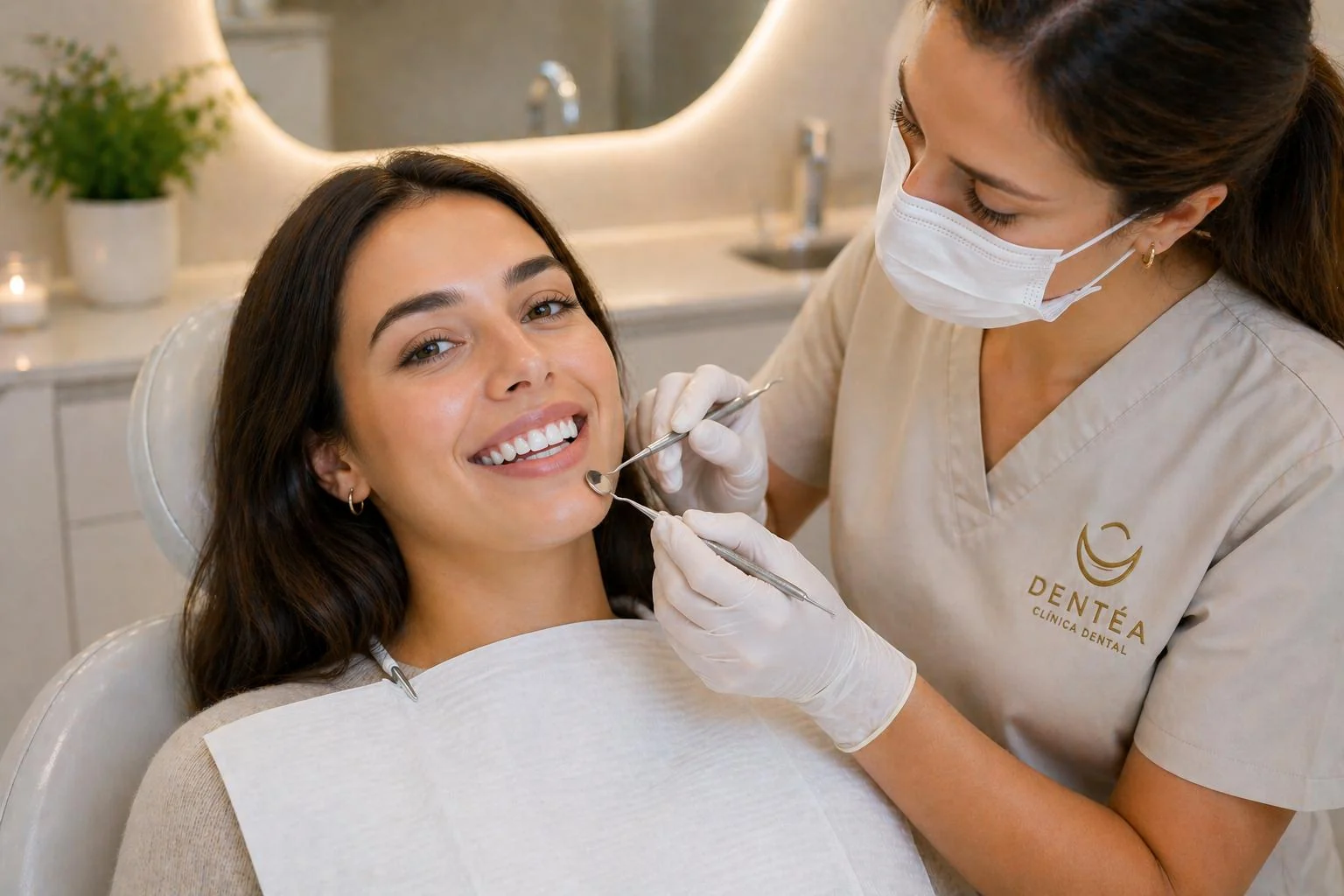
Regular dental examinations help identify concerns before they become more serious.
Professional cleanings also remove hardened deposits that ordinary brushing cannot eliminate.
The appropriate appointment frequency varies according to a person’s oral health and risk factors.
Some individuals may benefit from more frequent monitoring.
Others may follow a different preventive schedule based on professional recommendations.
An active lifestyle should include room for preventive care, even when no dental symptoms are present.
The Family Fitness Connection: Teaching Children to Protect Their Smiles
Riverwalk offers a setting where families can enjoy outdoor recreation together.
Walking, cycling, and spending time outdoors create opportunities for children to develop healthy habits.
Dental care can become part of those lessons.
Children who learn consistent oral hygiene routines early may be better prepared to maintain them as they grow.
However, encouragement and parental involvement remain important.
Make Oral Hygiene Part of the Adventure
Parents can connect dental habits with familiar activities.
Just as children learn to wear helmets before riding bicycles, they can learn to brush their teeth as part of preparing for the day and getting ready for bed.
Young children generally need help brushing thoroughly, even after they begin holding a toothbrush independently.
Making routines predictable can reduce resistance.
Choose Snacks That Support Active Days
Outdoor family activities often involve snacks.
Fresh fruit, cheese, vegetables, and other age-appropriate foods can provide energy and nutrients.
Water is usually a better everyday drink than soda or sweetened juice.
Children participating in organized sports may also benefit from mouthguards when their activities involve dental injury risks.
Keep Dental Conversations Positive
Children do not need frightening descriptions of cavities to understand oral health.
Positive explanations often work better.
Parents can discuss how teeth help people chew nutritious meals, speak clearly, and enjoy smiling.
Dentist visits can be framed as normal preventive health appointments.
The family-centered nature of the Riverwalk Lifestyle creates opportunities to reinforce these messages through daily examples.
Stress, Sleep, and the Unexpected Connection to Teeth
An active lifestyle can be rewarding, but full schedules sometimes create stress.
Work responsibilities, family activities, exercise goals, and social commitments may compete for attention.
Stress does not automatically cause dental problems.
However, it can contribute to behaviors that affect oral health.
One example is teeth grinding or jaw clenching, commonly associated with bruxism.
Signs of Teeth Grinding
Some people grind their teeth while sleeping without realizing it.
Potential signs include:
- Waking with jaw soreness.
- Frequent morning headaches.
- Unexplained tooth sensitivity.
- Flattened or worn tooth surfaces.
- Jaw muscle discomfort.
- Chipped teeth or damaged restorations.
These symptoms may have several causes and should be evaluated professionally.
Does Exercise Prevent Grinding?
Regular physical activity can support stress management and overall well-being.
However, exercise should not be considered a guaranteed treatment for bruxism.
Teeth grinding may involve sleep-related, behavioral, medical, and other contributing factors.
A dentist can examine signs of tooth wear and recommend appropriate management.
Sleep Quality Matters
Good sleep supports general health and daily performance.
Persistent snoring, breathing interruptions during sleep, or excessive daytime sleepiness may warrant medical evaluation for a possible sleep-related breathing disorder.
Dental professionals may play a role in recognizing oral signs or providing certain treatments when appropriate, but diagnosis of sleep apnea requires qualified medical assessment.
For Riverwalk residents balancing numerous commitments, sleep deserves the same attention as exercise and nutrition.
The Riverwalk Lifestyle Audit: How Healthy Is the Daily Routine?
A lifestyle audit does not need to involve complicated measurements or expensive equipment.
It simply encourages residents to examine the small habits that shape their long-term oral health.
The following checklist provides a practical starting point.
Daily Dental Wellness Checklist
- Teeth are brushed twice daily with fluoride toothpaste.
- Spaces between teeth are cleaned every day.
- Plain water is the primary everyday drink.
- Sugary and acidic beverages are not continuously sipped.
- Meals include varied sources of essential nutrients.
- Persistent dry mouth or tooth sensitivity is not ignored.
- Appropriate protective equipment is used during higher-risk sports.
- Dental examinations and cleanings are scheduled according to individual needs.
This checklist is not a diagnostic test or substitute for professional advice.
It highlights behaviors that support oral health.
Residents who identify several habits they would like to improve can focus on gradual changes rather than attempting everything simultaneously.
For example, someone who frequently drinks sweetened beverages might begin by replacing one daily drink with water.
Another person might prioritize establishing a consistent evening flossing routine.
A cyclist participating in higher-risk activities might ask a dentist about suitable mouth protection.
Small changes are often easier to maintain when they fit into existing schedules.
How Preventive Dentistry Fits Into a Wellness-Focused Community
Preventive dentistry helps connect daily self-care with professional monitoring.
Even people who follow excellent brushing and flossing routines can develop dental concerns.
Tooth decay, gum disease, enamel wear, and other conditions are influenced by several factors, including genetics, medical history, dietary habits, and saliva function.
Dental examinations help assess these individual risks.
Professional Cleanings Support Healthy Gums
Plaque that remains on teeth can harden into tartar.
Once tartar forms, it cannot be removed effectively with ordinary brushing.
Professional cleaning removes these deposits and supports gum health.
Dental professionals can also identify areas that require more attention during home care.
Early Detection Can Simplify Treatment
A small cavity discovered during an examination may require less extensive treatment than one that progresses unnoticed.
Similarly, early gum inflammation may respond to appropriate preventive care before more serious periodontal damage develops.
Early detection does not guarantee that every problem will be simple, but it can expand treatment options.
Personalized Care Matters
A competitive cyclist, a parent with young children, and an older adult managing multiple medications may have different oral health concerns.
Athletes may need advice about mouthguards, hydration, or acidic sports drinks.
Parents may want guidance about children’s brushing habits and developing teeth.
Adults experiencing dry mouth may need medication reviews with their healthcare providers and individualized dental recommendations.
These differences explain why professional care remains important even when residents maintain healthy lifestyles.
The Riverwalk Lifestyle supports wellness through activity and community participation, while preventive dentistry addresses oral health needs that cannot always be managed at home.
When a Healthy-Looking Smile Still Needs Attention
One common misconception is that healthy teeth never hurt.
In reality, some dental conditions develop quietly.
Early gum disease may cause mild bleeding without significant discomfort.
Small cavities may not produce noticeable pain.
Enamel erosion can progress gradually before sensitivity becomes obvious.
This is why appearance alone cannot determine oral health.
Several warning signs deserve professional attention.
Persistent Bad Breath
Occasional bad breath can result from food, dehydration, or temporary oral dryness.
Persistent bad breath may indicate plaque buildup, gum problems, dry mouth, or other concerns.
A dental examination can help identify possible oral causes.
Bleeding Gums
Gums that bleed during brushing or flossing may be inflamed.
Although occasional irritation can occur, recurring bleeding should not be dismissed.
Gingivitis and other periodontal conditions require appropriate assessment.
Temperature Sensitivity
Sensitivity to hot or cold foods may result from enamel wear, gum recession, cavities, exposed dentin, or other conditions.
If sensitivity persists or worsens, a dental evaluation can help identify the cause.
Chipped or Cracked Teeth
Active residents may experience accidental dental injuries.
Even a small chip can sometimes expose vulnerable areas or create sharp edges.
Prompt evaluation is especially important when an injury causes pain, swelling, looseness, or changes in the bite.
Recognizing these signs allows residents to take action before dental concerns interfere with their favorite activities.
Turning an Active Community Lifestyle Into a Long-Term Wellness Plan
Living near outdoor recreation and neighborhood amenities can make healthy habits more accessible.
However, the benefits depend on how residents use these opportunities.
The same principle applies to dental care.
A toothbrush, floss, and access to professional dentistry are valuable only when incorporated into consistent routines.
For Rock Hill households, a realistic wellness plan can include physical activity, nutritious meals, adequate sleep, hydration, and preventive dental appointments.
These habits reinforce one another without requiring a perfectly organized schedule.
A morning walk might encourage someone to drink more water.
A balanced breakfast can provide nutrients that support oral health.
An evening routine can include flossing and brushing before bedtime.
A dental appointment can provide personalized feedback about habits that need adjustment.
This approach makes wellness more practical.
Rather than treating dental care as a separate obligation, residents can recognize it as another part of maintaining their ability to enjoy daily life.
The Riverwalk Lifestyle is not defined by how many miles someone runs or how often a family visits the trails.
It is shaped by the routines, relationships, and health decisions that make everyday experiences more enjoyable.
A healthy smile belongs within that picture.
FAQs About Dental Health and the Riverwalk Lifestyle
Can running or cycling affect dental health?
Running and cycling can contribute indirectly to oral health concerns when they involve dehydration, dry mouth, frequent sports drink consumption, or accidental injuries. Proper hydration and suitable protective equipment can help reduce these risks.
Are sports drinks bad for tooth enamel?
Many sports drinks contain acids and sugars that may increase enamel erosion or cavity risk with frequent exposure. Plain water is generally suitable for routine exercise, although prolonged intense activity may require individualized hydration strategies.
Should cyclists wear mouthguards?
Mouthguards are worth considering during cycling activities that involve meaningful risks of falls or collisions, including BMX and other high-risk riding. A dentist can help determine whether a mouthguard is appropriate.
How often should active adults visit the dentist?
Dental visit frequency depends on individual oral health needs, medical history, and risk factors. A dentist can recommend an appropriate schedule for examinations and professional cleanings.
Can dehydration cause bad breath?
Dehydration may reduce saliva production and contribute to dry mouth, which can worsen bad breath. Drinking adequate water supports saliva function, although persistent bad breath may require dental evaluation.
How can Riverwalk families make dental care easier?
Families can connect brushing, flossing, hydration, and healthy meals to existing daily activities. Consistent routines and regular preventive appointments help make oral health a manageable part of family wellness.
Keep the Catawba Adventures Going With a Smile That Can Keep Up
Life in Riverwalk is meant to be enjoyed, whether that means exploring the Catawba River Trail, spending time with neighbors, cycling through the community, or gathering with family after a busy week. Dental discomfort, untreated cavities, and persistent oral health concerns should not become unnecessary obstacles to those experiences.
River District Smiles Dentistry helps Rock Hill families make preventive dental care a natural part of their active lifestyles.
Conveniently located at 652 Herrons Ferry Road, Suite 105, in Rock Hill, the practice serves patients seeking personalized general, cosmetic, and restorative dental services.
Dr. Matthew Hubis, Dr. Emily Hubis, and the dental team focus on helping patients maintain healthy teeth and gums through professional evaluations, cleanings, preventive recommendations, and individualized treatment planning.
For active adults, regular dental visits can help identify enamel wear, gum problems, and other concerns that may go unnoticed during busy routines. Families can also receive guidance on age-appropriate oral hygiene, preventive care, and maintaining healthy smiles at different stages of life.
The Riverwalk Lifestyle celebrates movement, connection, and everyday well-being. River District Smiles Dentistry encourages residents to give their dental health the same attention they devote to their favorite outdoor activities.
Rock Hill residents can contact River District Smiles Dentistry at (803) 590-9525 to schedule a dental appointment and keep their smiles ready for every Riverwalk adventure.