

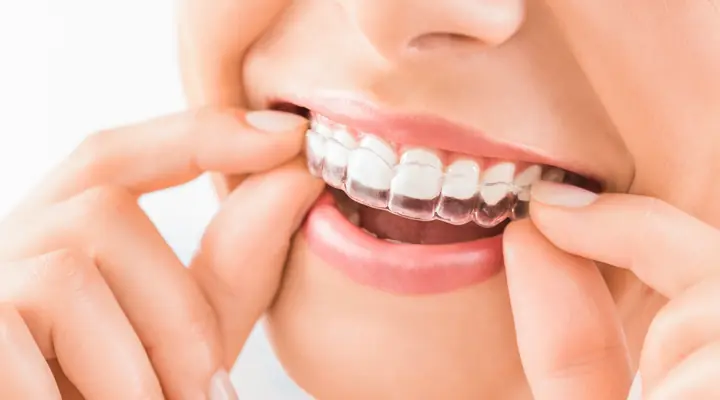


A straighter smile does not happen overnight, but it may take less time than you think. Invisalign treatment in Rock Hill, SC is a popular option for people who want a more flexible and discreet way to straighten their teeth.
Still, many want to know how long the process really takes. The truth is, every smile is different. Your Invisalign timeline depends on the condition of your teeth, your treatment plan, and how well you follow instructions.
If you are looking into clear aligners duration, understanding the timeline can help you feel more prepared and confident before getting started.
What Is the Fastest Invisalign Treatment Time?
The fastest Invisalign treatment time is usually seen in mild cases where only small tooth movements are needed. In those situations, treatment may sometimes be completed in just a few months. This can happen when a patient has minor crowding, slight spacing, or small cosmetic alignment concerns.
Why Some Invisalign Cases Move Faster
The tooth movement is limited
When teeth only need minor adjustment, fewer aligner trays are usually required.
The bite is already mostly stable
If the patient does not need major bite correction, the treatment may stay shorter and simpler.
The patient follows instructions closely
Wearing aligners the recommended number of hours each day plays a major role in keeping the Invisalign timeline on schedule.
Fast Treatment Still Requires Consistency
Even in a short case, Invisalign is not instant. Teeth need time to shift safely and gradually. A treatment plan that is expected to move quickly can still get delayed if aligners are not worn enough or appointments are missed.
Some patients hear about fast Invisalign results and assume everyone can finish in a very short time. That is not always realistic. The fastest cases are usually the simplest ones. A proper consultation is the best way to learn what kind of clear aligners duration patients can expect for their specific smile.
Can Invisalign Work in 6 Months?
Yes, Invisalign can work in 6 months for some patients, especially when the case is mild to moderate and the goals are limited to correcting smaller alignment issues. A 6-month Invisalign treatment plan is possible, but it is not guaranteed for everyone.
Cases That May Fit a 6-Month Timeline
Minor crowding
If a few teeth are slightly overlapping or turned, Invisalign may be able to improve them relatively quickly.
Small gaps
Mild spacing issues often respond well to clear aligner treatment.
Cosmetic adjustments
Some patients are mainly trying to improve the appearance of the front teeth rather than correct a more complex bite issue.
When 6 Months May Not Be Enough
Six months may not be realistic if you have:
- Significant crowding
- Bite alignment issues
- Teeth that need larger movements
- A history of shifting after past orthodontic work
- Inconsistent aligner wear
It is important to remember that a shorter Invisalign timeline is not always better if it means unrealistic expectations. The goal is not just speed. The goal is moving teeth safely and predictably. Many patients can see visible improvement in a few months, but the full Invisalign treatment may still continue beyond that for the best result.
How Often Do You Change Invisalign Trays?
Most patients change Invisalign trays on a regular schedule set by their dentist, often every one to two weeks. The exact timing depends on your specific treatment plan and how your teeth are responding.
Why Tray Changes Happen in Stages
Each tray is designed to make a small amount of movement. Once that step is complete, you move to the next set. This gradual process is what shapes the full Invisalign timeline.
Factors That Affect Tray Change Frequency
Complexity of your case
More involved cases may require a longer sequence of trays or more careful timing between changes.
Your provider’s instructions
Some patients may change aligners weekly, while others may stay in each set a bit longer.
How well the trays are fitting
If a tray is not seating properly or your teeth are not tracking as expected, your provider may adjust the schedule.
Why You Should Not Rush Tray Changes
Changing trays too early without approval can reduce treatment accuracy. Teeth need enough time to respond to each stage. Even though patients often want to move through the clear aligners duration process quickly, staying on the correct schedule matters more than trying to speed ahead.
Consistency is what helps the plan stay efficient. When aligners are worn as directed, tray changes are more likely to happen on time and the overall Invisalign treatment can stay on course.
Does Treatment Take Longer for Adults?
Not necessarily. Adults can have excellent Invisalign results, and treatment does not automatically take longer just because the patient is older. However, the actual Invisalign timeline depends more on the condition of the teeth, gums, bite, and treatment goals than on age alone.
Why Adult Treatment Can Vary
Adults may have more complex dental history
Previous dental work, missing teeth, gum concerns, or prior orthodontic relapse can sometimes make the case more detailed.
Adults often want comprehensive correction
Some adults are not just fixing one crooked tooth. They may also be addressing bite issues, spacing, or long-term shifting.
Compliance may actually be better
Many adults are highly motivated and wear aligners very consistently, which can help keep Invisalign treatment on track.
Age Is Only One Piece of the Picture
Teeth can still move well in adulthood. The key issue is whether the mouth is healthy and whether the treatment plan is realistic for the type of movement needed. In many cases, adults do very well with Invisalign and stay committed to the process.
So while some adult cases may take longer because they are more involved, age alone does not decide the total clear aligners duration patients should expect.
What Happens If You Don’t Wear Invisalign Enough?
If you do not wear Invisalign enough, your teeth may not move according to the plan. This can delay progress, affect tray fit, and extend your total Invisalign timeline. Invisalign only works when the aligners are worn consistently for the recommended number of hours each day.
Problems Caused by Inconsistent Wear
Trays stop fitting properly
If teeth do not move as expected, the next aligner may feel too tight or not seat fully.
Treatment slows down
Missed wear time can delay each stage and extend the overall Invisalign treatment length.
Refinements may be needed
If the teeth fall behind the planned movement, additional trays or adjustments may be required.
Results may be less predictable
Inconsistent wear can affect how accurately the treatment matches the original plan.
Why Daily Discipline Matters
Because Invisalign trays are removable, patient responsibility plays a huge role in success. That flexibility is one of Invisalign’s biggest advantages, but it also means results depend heavily on good habits.
If you are serious about keeping your clear aligners duration plan as short and effective as possible, wearing the aligners as instructed is one of the most important things you can do.
Can Invisalign Take 2 Years Like Braces?
Yes, Invisalign can take 2 years in some cases, especially when the tooth movement is more complex. Many people assume Invisalign is always much faster than braces, but that is not always true. For significant crowding, bite issues, or larger orthodontic corrections, the Invisalign timeline can be similar to traditional braces.
Situations Where Treatment May Take Longer
Moderate to severe crowding
When multiple teeth need major repositioning, treatment often requires more trays and more time.
Bite correction
Adjusting overbites, underbites, crossbites, or open bites can make the case longer.
Multiple refinements
Some patients need extra aligners at the end to fine-tune the results.
Inconsistent wear
Even a case that started with a shorter estimate can stretch out if trays are not worn enough.
Long Treatment Does Not Mean Invisalign Is Failing
A longer Invisalign treatment is not a bad sign. It often simply means the case is more detailed and requires careful movement. The priority is getting a healthy, stable result, not racing to finish before the teeth are ready.
For some patients, Invisalign is still a very appealing option even when the expected clear aligners duration treatment plan is longer. The removable design, discreet appearance, and comfort can still make it the right choice.
How Do I Know If Invisalign Is Working?
You may know Invisalign is working when your trays continue to fit, your teeth begin to shift gradually, and your provider confirms that your progress is staying on track. Invisalign movement is often subtle at first, so the signs may be small in the beginning.
Positive Signs Your Treatment Is Progressing
Trays fit as expected
A snug but proper fit usually suggests your teeth are moving according to plan.
You notice small changes over time
Spacing, crowding, or tooth angle may begin to improve gradually.
Your provider says your tracking looks good
Regular check-ins help confirm that your Invisalign treatment is progressing correctly.
The next trays continue to seat properly
When each new aligner fits as intended, that is often a good sign of progress.
Signs to Bring Up With Your Dentist
You should let your provider know if:
- Trays are not fitting well
- Teeth do not seem to be moving
- A tray feels dramatically wrong
- You have repeated trouble seating aligners
- You have not been able to wear them consistently
It is important not to judge the full Invisalign timeline too early. Some changes are obvious quickly, while others take more time. Steady, controlled movement is the goal. Progress is often easier to see when you compare where you started to where you are a few months later.
Final Thoughts
A straighter smile with Invisalign does not happen overnight, but the process can feel a lot easier when you know what to expect.
Treatment length can vary, but consistency makes a big difference. The more closely you follow your plan, the better your chances of staying on track and seeing steady progress.
Whether your case is simple or more detailed, understanding the factors behind the timeline helps you stay motivated along the way. In the end, patience and commitment are what turn small aligner changes into long-term smile results.
See What Your Invisalign Timeline Could Look Like
Invisalign can move faster for some smiles and take longer for others, depending on the changes needed and how consistently the aligners are worn. That is why every Invisalign treatment plan is built around the individual, not a one-size-fits-all estimate. If you are wondering what your Invisalign timeline may look like, getting clear answers early can make the process feel much easier.
At River District Smiles Dentistry, we help patients understand what to expect before treatment even begins. Reach out today to schedule a consultation and take the next step toward a smile you will feel good about showing off.
You can also learn more about whether clear aligners are worth it compared to traditional braces and how clear aligners are quietly redefining first impressions in the workplace if you want to explore related smile-straightening topics.