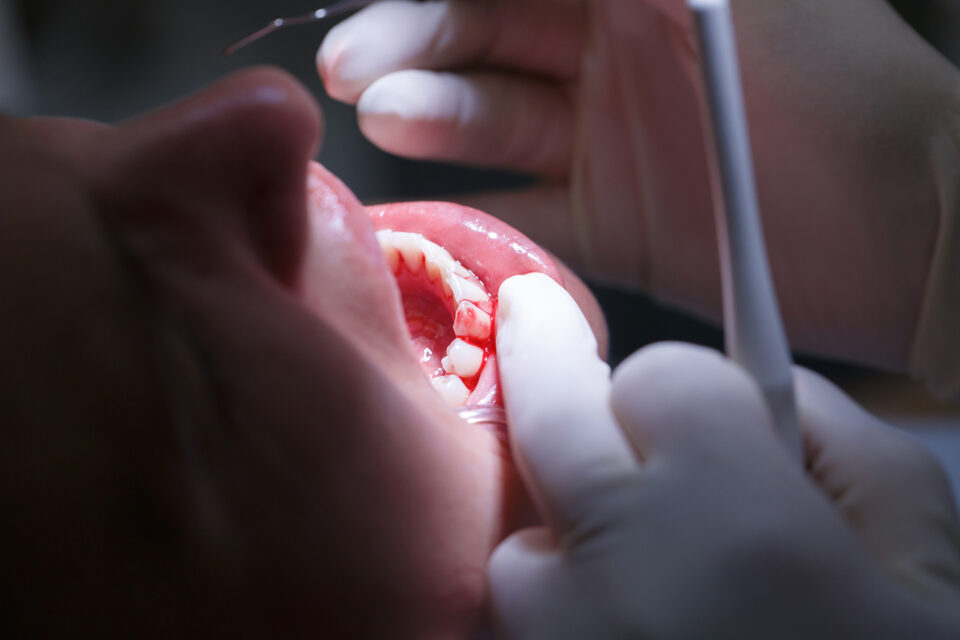



Intermittent tooth pain, sometimes sharp, sometimes dull, can be confusing. One day your tooth feels fine, the next it hurts, and you wonder if it’s serious.
The short answer is: tooth pain that comes and goes usually signals irritation of the tooth nerve or surrounding tissues, often from cavities, cracks, gum inflammation, or bite-related stress.
Don’t Ignore On-and-Off Tooth Pain
Intermittent tooth pain can signal cavities, cracks, or infection. Schedule your dental visit today.
Common Causes of Intermittent Tooth Pain
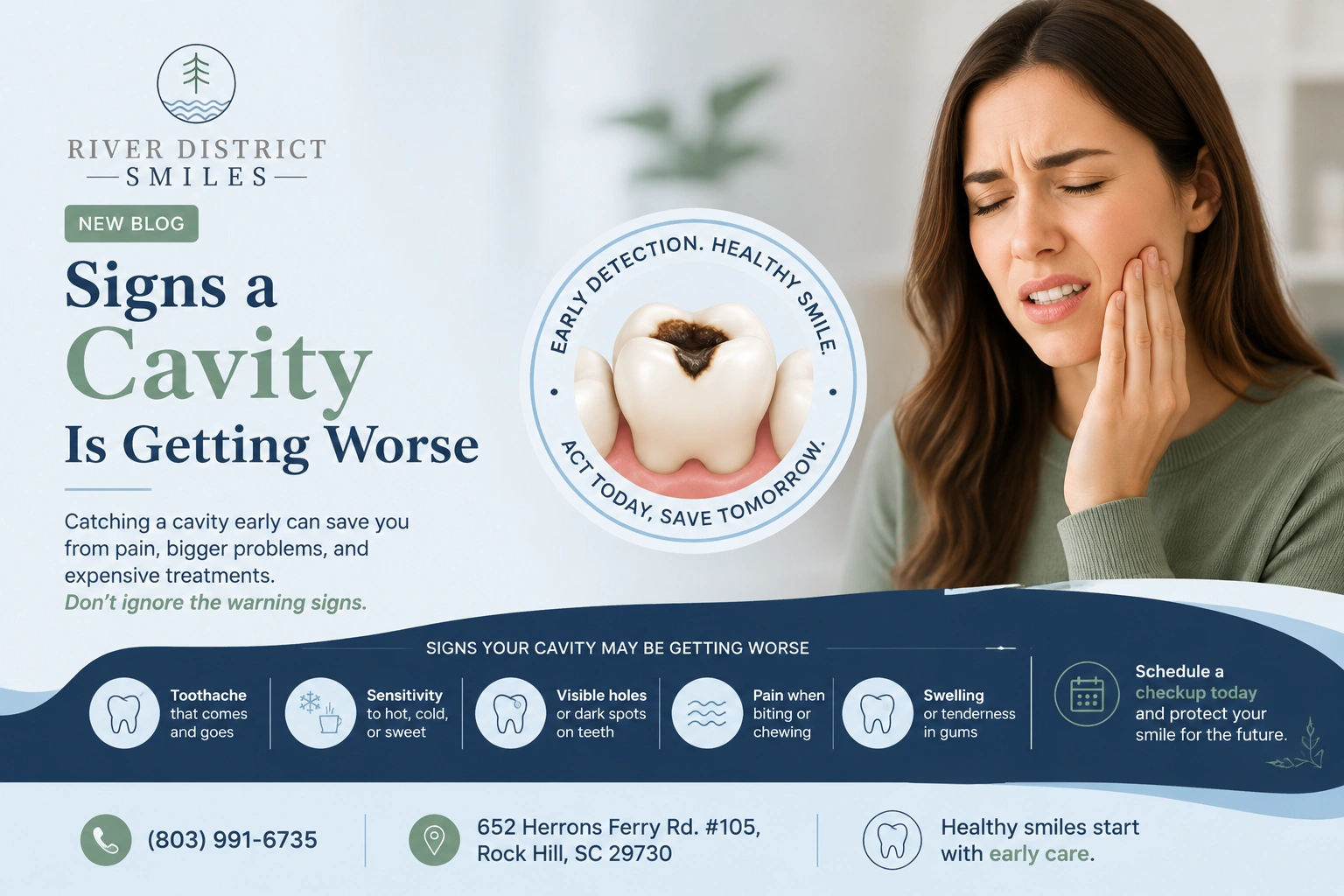
Cavities
Early decay can cause mild, occasional pain when biting or when the tooth is exposed to hot, cold, or sweet foods.
Pain comes and goes because the decay has not yet fully irritated the nerve. If decay continues, dental cavities can progress deeper into the tooth and require more involved care.
Cracked Tooth
A small crack may only hurt when pressure is applied, such as when chewing on one side.
The crack can allow tiny fluid shifts in the tooth that trigger nerve pain intermittently. In some cases, tooth damage may need treatment such as crowns and bridges to protect the remaining structure.
Gum Inflammation or Infection
Gum disease or a localized infection can cause mild tooth sensitivity or pressure pain that fluctuates.
When gum inflammation is involved, periodontal services may help address the underlying gum and bone health concerns before they worsen.
Tooth Grinding
Grinding or clenching can stress teeth, causing occasional pain that comes and goes based on activity.
Repeated pressure from grinding can contribute to tooth sensitivity, jaw discomfort, and bite-related pain. If clenching is part of the issue, concerns like headaches may also appear alongside tooth discomfort.
Sinus Pressure or Other Referred Pain
Upper teeth are close to sinus cavities; sinus infections or congestion can produce intermittent tooth pain.

Jaw Pain and Headaches: Could Your Bite Be Involved?
If your jaw feels tight and your headaches seem to begin around your temples, ears, or cheeks, it is reasonable…

Patterns That Matter
Pain triggered by hot, cold, or sweet foods may indicate early decay.
Pain only when biting or chewing may suggest a crack or bite problem.
Pain that wakes you at night or is constant can indicate deeper nerve involvement.
Pain accompanied by swelling, pus, or fever may point to infection requiring prompt care. If symptoms suggest a more serious issue, emergency dentistry may be needed to evaluate the problem quickly.
What to Do
Monitor symptoms: Note when the pain occurs, what triggers it, and how long it lasts.
Protect the tooth: Avoid hard foods or chewing on the affected side.
Dental evaluation: A dentist can take X-rays, check for cracks, cavities, or gum disease, and determine whether treatment is needed. A thorough dental exam can help identify the exact cause of pain and guide the safest next step.
Why You Shouldn’t Ignore Intermittent Pain
Even if it’s occasional, intermittent pain often signals a problem that can worsen over time:
A small cavity can reach the nerve, leading to more intense pain and potentially a root canal.
A crack can grow, eventually splitting the tooth.
Gum or bone infection can progress silently before swelling or severe pain appears.
Early evaluation usually allows for simpler, less costly treatments and preserves more natural tooth structure.
Bottom Line
Tooth pain that comes and goes is not harmless it’s your teeth and gums signaling irritation or damage. While minor triggers can cause brief discomfort, persistent or recurring pain should be checked by a dentist to identify the exact cause and prevent further complications.
At River District Smiles, we focus on diagnosing the underlying issue so patients understand why the tooth hurts and which treatment is safest and most effective.
Tooth Pain Coming and Going?
Get trusted dental care before it turns into an emergency. Call now for an exam and lasting relief.