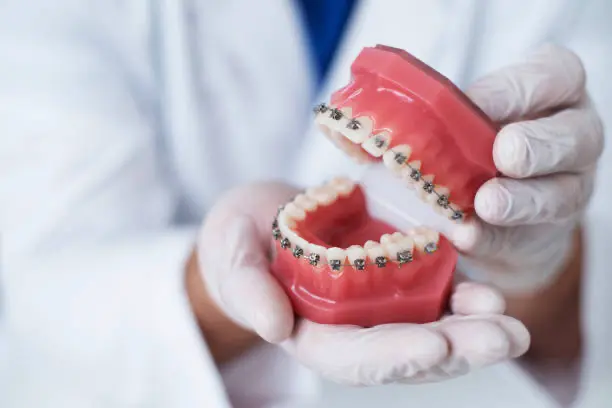




If you are thinking about improving your smile, one of the first questions you probably have is this: how long do cosmetic dental results last? The answer depends on the type of treatment you choose, your daily habits, and how well you care for your teeth afterward. Some cosmetic treatments can last just a few months before needing touch-ups, while others can stay beautiful for many years.
That is why understanding cosmetic dentistry longevity matters before making any decision. Whether you are considering whitening, bonding, veneers, or a complete smile upgrade, it helps to know what kind of long-term value each option offers.
Patients who want to better understand the durability of cosmetic dental treatments Rock Hill, SC can benefit from learning what affects results and what steps help preserve a refreshed smile.
How Long Do Cosmetic Dental Procedures Typically Last?
The lifespan of cosmetic dental work varies widely depending on the treatment. Some procedures are naturally shorter-term, while others are made to offer long-lasting improvements.
Teeth Whitening
Professional teeth whitening often lasts anywhere from several months to up to three years, depending on diet, oral hygiene, and lifestyle habits. Coffee, tea, red wine, tobacco, and poor brushing habits can shorten results quickly. For many patients, occasional touch-ups help maintain brightness.
Dental Bonding
Dental bonding usually lasts around 3 to 10 years. It is a great option for fixing small chips, gaps, or uneven edges, but the resin material is not as stain-resistant or as strong as porcelain. Bonding may need polishing, repair, or replacement sooner if it is exposed to heavy wear.
Veneers
Porcelain veneers can last 10 to 15 years or even longer with proper care. Composite veneers generally do not last as long and may need replacement sooner. Veneers are one of the more durable cosmetic options, which is why many people interested in cosmetic dentistry longevity choose them for a lasting smile transformation.
Clear Aligners
If part of your cosmetic treatment includes straightening teeth, the results can last for many years, but only if you wear retainers as directed. Without retention, teeth can gradually shift back.
Crowns
Cosmetic dental crowns often last 10 to 15 years, and in many cases longer. Their lifespan depends on the material, bite pressure, and overall oral health.
When asking how long do cosmetic dental results last, the most honest answer is that every procedure has a different timeline, and every patient has different habits that influence wear and tear.
Do Veneers Or Teeth Whitening Results Fade Over Time?
Yes, both veneers and teeth whitening can change over time, but they do so in different ways.
Do Veneers Fade?
Porcelain veneers are highly stain-resistant, so they do not fade in the same way natural teeth do. However, that does not mean they are completely immune to change. Over many years, veneers may lose some of their original polish or show wear at the edges. If the surrounding natural teeth darken, the contrast can also make veneers appear different than they once did.
Composite veneers are more likely to stain or dull over time. They may absorb pigment from dark beverages and certain foods more easily than porcelain.
Does Teeth Whitening Fade?
Teeth whitening is one of the most common treatments where patients notice fading. The whitening effect is not permanent because your teeth are constantly exposed to food, drinks, plaque, and aging. Even naturally bright teeth can darken over time, so whitening results need maintenance.
Why This Matters
Patients often focus on the immediate results, but long-term appearance is just as important. If you are comparing options based on cosmetic dentistry longevity, it helps to know that whitening usually needs occasional maintenance, while veneers often provide a more stable cosmetic change for a longer period.
So, if you are still wondering how long do cosmetic dental results last, whitening may require more frequent touch-ups, while veneers are usually designed for longer-lasting visual improvement.
What Factors Affect The Longevity Of Cosmetic Dental Work?
The lifespan of cosmetic dental work is not only about the procedure itself. Your day-to-day choices play a major role in the final outcome.
Oral Hygiene Habits
Brushing twice a day, flossing daily, and keeping up with cleanings help protect both your natural teeth and any cosmetic work you have done. Poor hygiene can lead to decay, gum problems, staining, and damage around restorations.
Diet and Beverage Choices
Dark-colored foods and drinks can stain bonding, natural enamel, and even affect the appearance of nearby teeth around veneers or crowns. Acidic drinks can also weaken enamel and contribute to wear.
Smoking and Tobacco Use
Tobacco is one of the biggest threats to a bright smile. It can stain teeth, reduce gum health, and impact the overall appearance of cosmetic work. Smoking can shorten the visible benefits of whitening and other treatments.
Teeth Grinding or Clenching
Grinding places heavy pressure on teeth and restorations. It can chip bonding, crack veneers, and wear crowns down faster. A nightguard may help protect your investment.
Bite Alignment
A well-balanced bite helps cosmetic work last longer. If certain teeth take too much force, they may wear down or break sooner.
Material Used
Not all cosmetic materials perform the same way. Porcelain is generally more durable and stain-resistant than composite resin, which is why it often has better cosmetic dentistry longevity.
Skill and Planning
The quality of diagnosis, treatment planning, and placement matters. Cosmetic treatment should not only look good but also function properly. A carefully designed restoration tends to last longer and perform better.
When patients look into the durability of cosmetic dental treatments in Rock Hill, SC, these real-world factors often make the difference between short-lived results and long-term success.
How Can You Make Cosmetic Dentistry Results Last Longer?
The good news is that patients have a lot of control over how long their results last. A few smart habits can make a major difference.
Follow Your Dentist’s Instructions
After whitening, veneers, bonding, or crowns, your dentist may give you specific care tips. Following those instructions closely helps protect your results from the beginning.
Stay Consistent With Cleanings
Routine dental visits allow your dentist to catch small issues early. Professional cleanings also help reduce stain buildup and keep your smile looking polished.
Protect Your Teeth From Damage
Do not use your teeth to open packages, bite nails, or chew on hard objects like ice or pens. These habits can damage cosmetic dental work faster than many people realize.
Wear a Nightguard If Needed
If you grind or clench your teeth, a custom nightguard can help prevent cracks, chips, and premature wear.
Limit Stain-Causing Foods and Drinks
You do not have to give up coffee forever, but it helps to rinse with water afterward, use a straw when possible, and avoid letting staining liquids sit on the teeth for long periods.
Practice Excellent Daily Care
Brush gently with a non-abrasive toothpaste and floss every day. Good home care supports both appearance and function, which is essential for better cosmetic dentistry longevity.
Schedule Touch-Ups When Appropriate
Some cosmetic treatments benefit from maintenance. Whitening may need touch-ups, and bonding may need occasional reshaping or polishing. Small updates can help you keep a fresh look without waiting for bigger issues to develop.
If your goal is to improve the durability of cosmetic dental treatments in Rock Hill, SC, long-term maintenance is just as important as the initial treatment itself.
Are Cosmetic Dental Treatments Permanent Or Temporary?
Cosmetic dental treatments fall into both categories depending on the procedure.
Temporary or Maintenance-Based Treatments
Teeth whitening is generally considered temporary because results fade over time. Bonding is also not permanent since it can chip, stain, or wear down.
Long-Lasting But Not Truly Permanent
Veneers, crowns, and clear aligner results can last a long time, but they are not technically permanent in the sense that they will never need attention again. Even durable restorations eventually experience wear, changes in surrounding teeth, or natural aging.
Why People Call Some Treatments “Permanent”
Certain procedures involve irreversible changes to the tooth structure. Veneers and crowns may require reshaping of the teeth before placement, so while the restoration itself may need replacement later, the tooth has permanently been altered to support that treatment.
This is where patient expectations matter. If someone asks how long do cosmetic dental results last, it is better to think in terms of lifespan and maintenance rather than assuming one appointment means a lifetime guarantee.
Understanding the difference between temporary and long-lasting treatment options is essential when evaluating cosmetic dentistry longevity and choosing what fits your goals, budget, and lifestyle.
How Often Do You Need To Redo Cosmetic Dental Procedures?
There is no single schedule for redoing cosmetic dental work because each procedure ages differently.
Whitening
Many patients refresh whitening every 6 to 12 months, depending on how quickly stains return. Some may go longer with good habits, while others benefit from more frequent touch-ups.
Bonding
Bonding may need repair or replacement every few years, especially if it chips or becomes stained. In many cases, minor reshaping can extend its appearance before a full replacement is needed.
Veneers
Porcelain veneers often do not need replacement for 10 to 15 years or longer, but this depends on wear, fit, gum changes, and overall condition. Composite veneers generally need maintenance more often.
Crowns
Crowns may last over a decade, but they should still be checked regularly. If decay forms underneath, or if the crown becomes loose or worn, replacement may be necessary.
Orthodontic Cosmetic Results
After straightening teeth, retainers are key. If retainers are not worn, patients may need retreatment due to shifting.
Signs It May Be Time to Update Cosmetic Work
You may need touch-ups or replacement if you notice:
- Chipping or cracking
- Staining that does not polish away
- Rough edges
- Gum recession around restorations
- Changes in bite or comfort
- A less natural appearance compared to surrounding teeth
The best way to know when cosmetic work needs attention is through regular checkups. That gives your dentist a chance to monitor changes early and help preserve the durability of cosmetic dental treatments Rock Hill, SC before problems grow.
Key Takeaways
Cosmetic dentistry longevity depends on the type of procedure, quality of materials, and how well you maintain your oral health. Understanding how long do cosmetic dental results last helps set realistic expectations and plan for future care.
Treatments like veneers and crowns can last many years, while whitening requires periodic touch-ups. Lifestyle habits, hygiene, and regular dental visits play a major role in extending results.
The durability of cosmetic dental treatments in Rock Hill, SC improves with proper care, making cosmetic dentistry a valuable long-term investment in your smile.
Maintain Your Smile With Expert Care
Protecting your investment in cosmetic dentistry requires ongoing care and professional guidance. Long-lasting results come from both quality treatment and proper maintenance.
At River District Smiles Dentistry, we focus on maximizing cosmetic dentistry longevity through personalized care and expert recommendations. We help patients understand how long do cosmetic dental results last and how to extend the durability of cosmetic dental treatments in Rock Hill, SC.
If you want to maintain your results and keep your smile looking its best, we are here to help. Consistent care ensures lasting confidence and performance.