

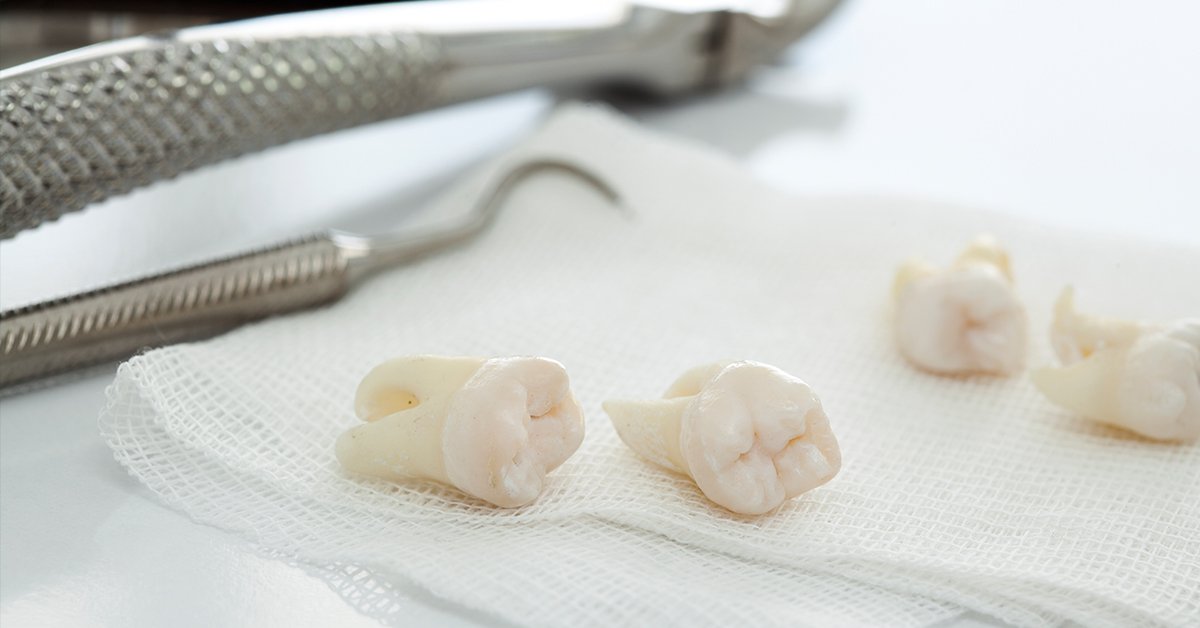


You’d be surprised how much your mind has to say about a simple tooth extraction. Most people focus on the pain or the procedure, but the real story starts long before you sit in the dental chair.
Tooth extractions tap into deeper emotions—fear, relief, curiosity, even a weird sense of accomplishment. It’s not just about losing a tooth. It’s about what that moment represents. Maybe it brings back childhood memories of loose teeth or the stress of dealing with dental problems as an adult. Either way, your brain reacts in ways you might not expect.
Understanding this psychology can actually make the whole experience feel easier and more predictable. So if you’ve ever wondered why your stomach flips or your shoulders tense up during a dental visit, you’re definitely not alone.
How Does Fear of Tooth Extraction Affect Patient Behavior?
Fear is one of the most powerful motivators and sometimes, the biggest obstacle to good dental health.
1. Avoidance Becomes a Coping Mechanism
For many patients, fear doesn’t show up in the chair—it shows up months before the appointment. They delay, cancel, or “forget” to book. It’s not that they don’t care about their health—they’re just trying to avoid discomfort, both physical and emotional.
This kind of avoidance can lead to a cycle:
- A cavity or infection worsens.
- Pain increases, making the fear even stronger.
- The eventual treatment becomes more urgent (and sometimes more complex).
It’s a self-reinforcing loop that dentists recognize all too well.
2. Misinformation Amplifies Fear
Many people imagine tooth extractions based on outdated stories—metal tools, unbearable pain, and long recovery times. In reality, modern dentistry has made the process remarkably efficient and nearly painless with local anesthesia, sedation options, and advanced techniques.
Still, those old myths linger, fueling fear before patients even set foot in the office.
3. Control (or Lack Thereof) Is the Root of Anxiety
One of the biggest psychological triggers for dental fear is the feeling of helplessness. You’re reclined, mouth open, unable to talk—completely trusting someone else with something as personal as your smile.
Dentists who take time to explain each step, check in frequently, and give patients small choices (like signaling for a break) can help restore that sense of control and ease the anxiety.
4. Past Experiences Leave Lasting Imprints
A single bad dental experience especially in childhood can echo for decades. Our brains store those moments of pain or embarrassment vividly. So when you hear “extraction,” your mind doesn’t think “routine procedure”; it thinks “trauma.”
Overcoming that association requires empathy, communication, and trust-building between patient and dentist.
What Emotional Reactions are Common Before a Tooth Extraction?
Tooth extractions bring out a surprising range of emotions—many of which go beyond simple fear.
1. Anticipation and Apprehension
It’s natural to feel a wave of nervous energy before an extraction. Even confident patients experience a kind of pre-procedure adrenaline rush. This mix of nerves and curiosity is your brain’s way of bracing for the unknown.
Interestingly, studies show that anticipatory anxiety (the worry before an event) is often worse than the actual experience. Once the procedure starts and the patient realizes it’s not as bad as imagined, the tension tends to melt away.
2. Embarrassment or Shame
Some patients feel self-conscious about needing an extraction at all. They may blame themselves for neglecting oral hygiene or waiting too long. But the truth is, extractions are often necessary for reasons beyond anyone’s control—genetics, injury, or even normal wear and tear.
Dentists see extractions as a step toward healing, not judgment. Helping patients understand that perspective can replace shame with empowerment.
3. Sadness and Loss
It’s easy to overlook, but losing a tooth can feel like losing a part of yourself. Teeth aren’t just functional—they’re emotional. They represent youth, health, and confidence. For some people, an extraction feels symbolic, like a reminder of aging or imperfection.
That sense of loss is valid. A good dental team recognizes that emotion and helps patients focus on what’s next—whether that’s an implant, a bridge, or simply relief from pain.
4. Denial and Defensiveness
Some patients react by downplaying the issue (“It’s not that bad,” “Can we wait a bit longer?”). That’s denial doing its job—shielding the mind from stress. But when pain persists or infection threatens overall health, even the most reluctant patients often realize that facing the problem is the only way forward.
Why Do Some People Feel Relief After a Tooth Extraction?
You might expect patients to leave their extraction appointments feeling groggy or sore. But surprisingly often, they walk out feeling… lighter.
1. The End of Chronic Pain
Tooth pain is one of the most exhausting kinds of discomfort. It’s constant, radiating, and hard to ignore. Once that source of pain is gone, patients experience immediate emotional relief.
It’s not just physical—it’s psychological. That constant background stress disappears, and the body relaxes for the first time in weeks or months.
2. A Sense of Accomplishment
For anxious patients, going through with an extraction is an act of bravery. Confronting fear and taking control of your health is a huge emotional win.
That post-procedure calm often includes pride: “I did it.” That sense of empowerment can even motivate better oral care habits moving forward.
3. The Body’s Natural “Reset”
There’s also a physiological reason behind that post-extraction relief. Once infection or inflammation is removed, your immune system gets a break. Hormones like cortisol (the stress hormone) begin to drop, while endorphins (your body’s feel-good chemicals) start to rise.
In other words, your body and mind both breathe a sigh of relief.
4. Hope and Renewal
For patients replacing a damaged tooth with an implant or bridge, extraction marks the beginning of something new—a healthier, stronger smile. What starts as fear can end as optimism.
That’s the beauty of modern dentistry: even in loss, there’s restoration.
How Can Dental Anxiety Influence Recovery After an Extraction?
The emotional experience doesn’t end when the tooth comes out. In fact, what you feel after an extraction can play a big role in how quickly you heal.
1. Stress Slows Healing
When you’re anxious, your body releases stress hormones like adrenaline and cortisol. These can constrict blood vessels, slow tissue regeneration, and even suppress immune response.
That’s why managing anxiety before and after a procedure isn’t just about comfort—it’s about recovery.
Patients who stay calm and positive often experience:
- Less swelling
- Faster healing times
- Lower risk of complications like dry socket
2. Pain Perception Is Psychological
Pain isn’t purely physical—it’s heavily influenced by the brain. When you expect something to hurt, it often does. Conversely, patients who trust their dentist and feel supported tend to report less pain, even with the same level of discomfort.
This is why empathy and communication during post-op care are so important. A reassuring call from your dentist or a clear explanation of what’s normal can make a huge difference.
3. Fear Can Affect Follow-Up Care
Some patients are so eager to avoid dental settings that they skip follow-up appointments or ignore aftercare instructions. Unfortunately, that can lead to infections or delayed healing.
The best dentists anticipate this—they simplify post-op care, check in regularly, and encourage patients to ask questions.
4. Positive Reinforcement Builds Confidence
When patients realize recovery wasn’t as scary as expected, they often approach future dental visits with more confidence. Overcoming one fearful experience can reshape their entire relationship with dentistry.
The Emotional Side of Dentistry Matters More Than You Think
The truth is, dentistry isn’t just about tools and techniques—it’s about trust. Every patient brings their own story, history, and emotions into the chair. Understanding that human side of extractions helps both dentist and patient navigate the process with empathy and confidence.
When fear is met with compassion, pain is met with relief, and anxiety is met with understanding—something truly transformative happens.
Tooth extractions, in the end, aren’t just about loss. They’re about release, healing, and sometimes even emotional renewal.
Schedule Your Appointment at River District Smiles
Whether you’re facing your first extraction or simply nervous about visiting the dentist, our team at River District Smiles specializes in gentle techniques and genuine compassion. We take time to ease fears, explain every step, and ensure you feel comfortable, informed, and cared for from start to finish.
This article was reviewed by Dr. Matthew Hubis, DMD, a general and cosmetic dentist at River District Smiles in Rock Hill, SC. Dr. Hubis earned his Doctor of Dental Medicine from the Medical University of South Carolina and provides compassionate, patient-centered care for dental anxiety, extractions, and restorative dentistry.