
Let’s be honest. Most of us still think brushing and flossing are enough. But teeth cleaning has quietly changed, and that shift says a lot about how we see oral health today. It’s no longer just about scraping plaque and calling it a day.
The new standard focuses on prevention, comfort, and long-term health, not quick fixes. Dentists now look at your gums, habits, and overall wellness, not just your teeth.
This change reflects a bigger truth. Oral health isn’t separate from the rest of your body anymore. It’s part of the whole picture, and modern cleanings are finally catching up.
What Makes Modern Teeth Cleaning Different From Traditional Dental Cleanings?
The biggest difference between modern and traditional teeth cleaning is intention. In the past, cleanings focused almost entirely on surface-level results. Today, they are diagnostic, personalized, and proactive.
Traditional cleanings were largely one-size-fits-all. Modern cleanings are anything but.
What sets today’s teeth cleaning apart includes:
- Greater focus on gum health, not just teeth
- Individualized cleaning plans based on risk factors
- Early detection of inflammation and tissue changes
- Integration of oral health data over time
Instead of simply removing plaque, dental professionals now look at how plaque behaves in your mouth. Where does it build up? How quickly does tartar form? Are certain areas consistently inflamed?
These details matter. They help determine how often cleanings should happen and what techniques are most effective for each patient.
Modern teeth cleaning also involves more conversation. Patients are educated during the process, not lectured afterward. The goal is understanding, not guilt.
This shift reflects a broader change in healthcare. Prevention is valued more than repair, and cleanings have become one of the most powerful preventive tools available.
How Has Professional Teeth Cleaning Evolved With New Dental Technology?
Technology has reshaped nearly every part of dentistry, and teeth cleaning is no exception. While the goal remains the same, healthy teeth and gums, the tools and methods have become more precise and far more comfortable.
Advancements in dental technology have improved teeth cleaning by:
- Allowing more efficient plaque and tartar removal
- Reducing discomfort during deep cleaning
- Improving visibility below the gumline
- Helping track oral health changes over time
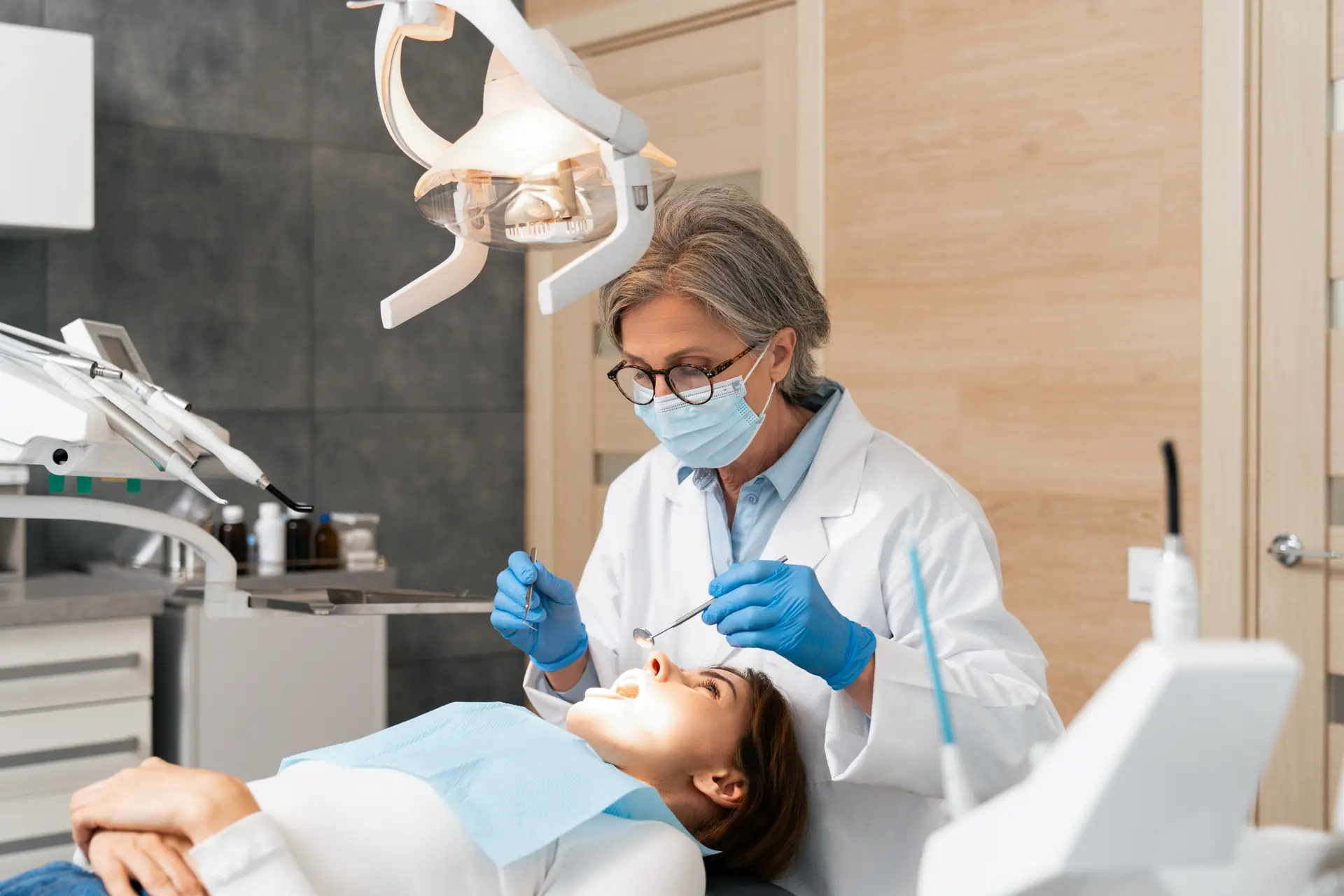
Ultrasonic instruments, for example, have changed how hardened deposits are removed. Instead of relying solely on manual scraping, these tools use gentle vibrations to break up tartar while flushing bacteria away. This often means shorter appointments and less sensitivity afterward.
Digital imaging and periodontal charting also play a role. Cleanings are no longer isolated events. They are part of an ongoing record that helps dental professionals monitor trends, spot early warning signs, and adjust care before problems escalate.
Another key evolution is how cleanings adapt to patient needs. Someone with healthy gums may need a straightforward maintenance cleaning. Someone showing signs of gum disease may need targeted care in specific areas. Technology allows that distinction to be made early and accurately.
This evolution reflects a deeper respect for patient experience. Modern cleanings aim to be thorough without being traumatic. That matters because comfort encourages consistency.
Why is Teeth Cleaning Considered a Key Indicator of Overall Oral Health Today?
Teeth cleaning has become one of the clearest indicators of overall oral health because it reveals patterns that other appointments may not.
Cavities can hide. Cracks can be subtle. But gum health and plaque behavior tell a continuous story.
During a cleaning, dental professionals can assess:
- How the gums respond to routine care
- Whether inflammation is present or worsening
- How effectively a patient’s home care is working
- How quickly plaque returns between visits
These observations help determine whether oral health is stable, improving, or declining.
In many cases, changes show up during cleanings before they cause symptoms. Slight bleeding, swelling, or pocket depth increases may not hurt, but they signal that something is shifting.
That is why teeth cleaning is now seen as a health checkpoint rather than a cosmetic service.
It also explains why cleaning frequency is no longer universally set at twice a year. Some patients benefit from more frequent cleanings. Others maintain excellent health with standard intervals. The goal is not adherence to tradition, but alignment with individual needs.
This personalized approach reflects a more honest understanding of oral health. It is dynamic, not static.
What Do Current Dental Cleaning Standards Reveal About Long-Term Oral Health Trends?
The way teeth cleaning has changed offers insight into broader trends in oral health.
One clear trend is the growing recognition of gum disease as a serious health issue. Once considered inevitable or cosmetic, gum disease is now understood as a chronic inflammatory condition with wide-ranging effects.
Modern cleaning standards emphasize:
- Early intervention rather than damage control
- Ongoing monitoring instead of reactive treatment
- Collaboration between patient and provider
Another trend is the connection between oral health and overall health. Dental cleanings are increasingly viewed as part of preventive healthcare, not separate from it. Inflammation in the mouth is linked to systemic inflammation, which affects the entire body.
This has elevated the importance of routine cleanings. They are no longer optional upkeep. They are a cornerstone of long-term wellness.
There is also a shift in patient expectations. People want to understand their health, not just be told what to do. Modern cleaning appointments reflect that by prioritizing education and transparency.
Patients today ask better questions:
- Why does this area bleed more than others
- What does gum recession mean for the future
- How can I prevent this from getting worse
Teeth cleaning has become a conversation, not a chore.
The Human Side of the New Cleaning Standard
One of the most important changes in modern teeth cleaning is the human element. Dental care used to feel intimidating for many people. Cleanings were something to endure.
Today, there is a stronger emphasis on trust and comfort.
Dental professionals are trained to:
- Explain what they see and why it matters
- Adjust techniques for sensitivity or anxiety
- Create a judgment-free environment
This matters because avoidance is one of the biggest threats to oral health. When patients feel safe and informed, they are more likely to keep appointments and address issues early.
The new standard for teeth cleaning recognizes that oral health is not just clinical. It is emotional and behavioral as well.
Why This Shift Matters For The Future
As dentistry continues to evolve, teeth cleaning will likely play an even bigger role in prevention and early detection. It is one of the few dental services that happens regularly and provides consistent insight into a patient’s health.
The modern approach positions cleanings as:
- A diagnostic tool
- A preventive strategy
- A patient education opportunity
- A foundation for long-term care
This shift benefits everyone. Patients stay healthier. Dentists intervene earlier. Outcomes improve.
It also changes how people view oral health. Instead of waiting for problems, they participate in maintaining wellness.
A New Definition Of “Routine”
Teeth cleaning is still routine, but not in the old sense. It is routine in the way exercise or annual physicals are routine. Essential. Purposeful. Protective.
The new standard acknowledges that small, consistent actions have the biggest long-term impact.
Cleanings may not be dramatic, but they are powerful.
Where Modern Care Meets Meaningful Prevention
At River District Dentistry Smiles, we believe teeth cleaning should do more than polish enamel. It should tell a story about your oral health and help shape a healthier future.
Our approach reflects the new standard. Personalized care. Modern techniques. Real conversations. If you are ready to experience teeth cleaning as a proactive step toward long-term wellness, we would love to welcome you.
Because today, a great cleaning is not just about your teeth. It is about where your oral health is headed next.