

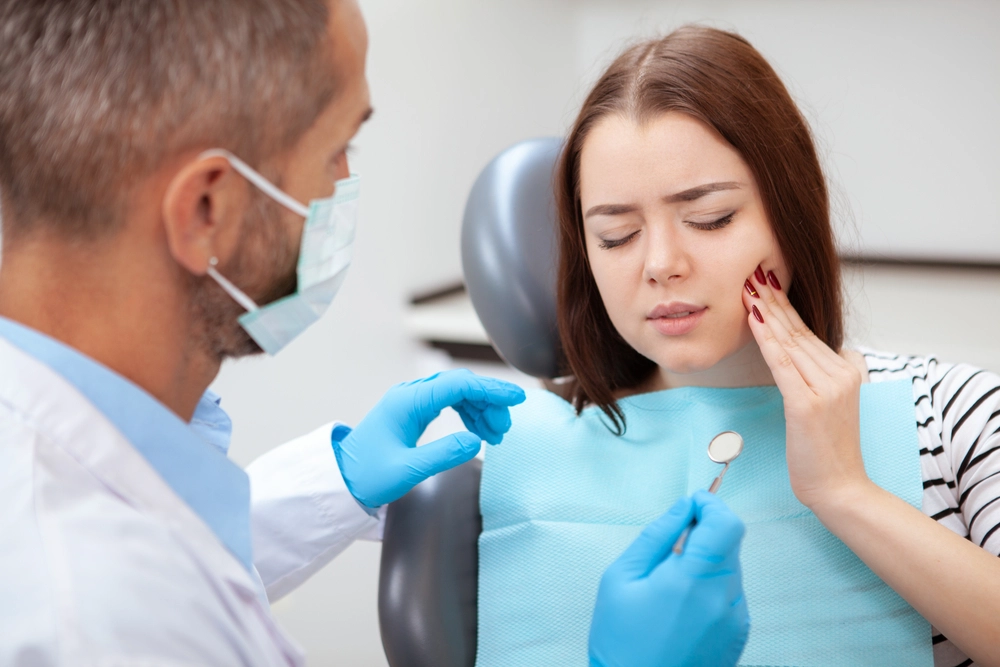

Sudden tooth pain can hit when you least expect it, and it’s not something you should ignore. Knowing when you need emergency dental care in Rock Hill, SC can make all the difference in protecting your smile.
Some issues may seem minor at first but can quickly turn into bigger problems without the right attention. If you’re searching for tooth pain relief, it’s important to recognize the warning signs early.
Understanding common dental emergency signs in Rock Hill, SC helps you act fast, reduce pain, and prevent further damage. The sooner you know what to look for, the better you can handle the situation.
What Dental Pain Is Considered an Emergency?
Not all dental pain is an emergency, but some types of discomfort require immediate attention. Here are the key signs that your tooth pain might be a dental emergency:
- Severe, throbbing pain: If you’re experiencing intense, throbbing pain that doesn’t subside, it could indicate an infection, abscess, or severe damage to the tooth.
- Pain when chewing or touching the tooth: If your tooth hurts when you bite down or when pressure is applied, it could mean you have a cracked or fractured tooth, which needs immediate care.
- Sudden onset of pain: If the pain comes on suddenly and is very intense, it may be related to a dental abscess or infection that requires prompt treatment.
When you experience sharp, constant pain, or discomfort that doesn’t improve with over-the-counter pain relievers, you should seek emergency dental care in Rock Hill, SC.
Should I Go to The ER for a Tooth Infection?
A tooth infection is a serious condition that can lead to complications if left untreated. If you have an infection in your tooth or gums, you may wonder if you should go to the ER for treatment. While the ER can help with severe infections and provide temporary relief, it’s not the best place for dental emergency signs. They may prescribe antibiotics or pain relievers, but they typically won’t be able to treat the underlying cause, such as a root canal or abscess drainage.
It’s best to seek emergency dental care from a qualified dentist who can address the infection properly. In some cases, if the infection is severe and spreading, the ER may refer you to a dental professional or help stabilize your condition before further treatment.
If you have symptoms such as fever, swelling around the tooth, or difficulty swallowing, it’s important to seek medical attention immediately, but ideally, this would be through your dentist for a proper diagnosis and treatment plan.
What Do I Do If My Tooth Gets Knocked Out?
A knocked-out tooth is one of the most common dental emergencies, and acting quickly can often mean the difference between saving the tooth and losing it for good. Here’s what you should do if you experience this dental emergency:
- Retrieve the tooth: If possible, gently pick up the tooth by the crown (the top part), not the root.
- Rinse the tooth: Gently rinse the tooth with water to remove dirt, but avoid scrubbing it or using soap.
- Keep the tooth moist: If you can, place the tooth back into its socket. If that’s not possible, store the tooth in a cup of milk or a saline solution to keep it hydrated.
- Seek immediate dental care: Get to your dentist or an emergency dental office immediately. The sooner you get treatment, the higher the chances of saving the tooth.
A knocked-out tooth requires emergency dental care within an hour or so for the best chance of re-implantation. You can also learn more about what to do in this situation in What If My Tooth Is Knocked Out?.
Is a Cracked Tooth a Dental Emergency?
A cracked tooth can be both painful and concerning, depending on the severity of the crack. If you have a cracked tooth and experience pain, especially when chewing or applying pressure, it could be a dental emergency.
While a small crack may not require immediate attention, larger cracks or fractures that expose the nerve or cause significant discomfort should be treated as soon as possible. In some cases, a cracked tooth can lead to a deeper infection, so prompt treatment is important.
Your dentist may recommend treatments such as a filling, crown, or even a root canal, depending on the extent of the damage. If you experience pain, discomfort, or swelling with a cracked tooth, it’s best to contact your dentist and seek emergency dental care right away.
How Long Can You Wait With Severe Tooth Pain?
Severe tooth pain can be unbearable and, in many cases, indicates a serious underlying issue, such as an abscess, infection, or decay. While over-the-counter pain medications may provide temporary relief, waiting too long to address severe tooth pain can lead to further complications.
You should not wait more than a day or two with intense tooth pain. If the pain is severe or persistent, it’s best to contact your dentist immediately and schedule an appointment for emergency dental care. Prolonging treatment can lead to worsening infection or tooth damage, making the situation more difficult and costly to resolve.
If the pain is accompanied by swelling, fever, or difficulty swallowing, it’s crucial to seek treatment as soon as possible, as these may indicate an infection that could spread. For more insight, read How Do You Determine If You Need Emergency Dental Work?.
What Are The Symptoms of a Dental Abscess?
A dental abscess is a serious infection that can form at the root of a tooth or in the gums. Symptoms of an abscess include:
- Severe, constant tooth pain: The pain often radiates to the jaw, ear, or neck.
- Swelling: Swelling in the gums or face can be a sign that the infection is spreading.
- Red or tender gums: The area around the infected tooth may appear red and swollen.
- Bad taste or smell: If the abscess ruptures, it may release pus, which can cause a foul odor or taste in your mouth.
- Fever: A fever may accompany the infection as your body tries to fight off the bacteria.
If you suspect you have a dental abscess, it’s crucial to seek emergency dental care immediately. An abscess can spread to other areas of the body and cause serious complications if left untreated.
Can Bleeding Gums Be an Emergency?
Bleeding gums can occur for a variety of reasons, from gum disease to injury. While mild bleeding may not require emergency dental care, excessive or prolonged bleeding should not be ignored.
If your gums bleed regularly when brushing or flossing, it may indicate gum disease, which should be treated promptly to prevent further damage. However, if the bleeding is heavy, persistent, or accompanied by pain or swelling, it’s important to seek immediate care from your dentist.
In some cases, uncontrolled bleeding may be a sign of a more serious underlying issue, and it’s essential to have it evaluated right away.
Conclusion
Not every dental issue is an emergency, but knowing the difference can save you from unnecessary pain and stress.
Severe symptoms like constant pain, swelling, or injury often require immediate attention to avoid further complications. Taking quick action can improve outcomes and speed up recovery. Understanding the signs gives you the confidence to respond without hesitation.
When you stay aware of what’s happening in your mouth, you’re better prepared to protect your teeth, reduce discomfort, and maintain a healthier smile moving forward.
Get Immediate Help at River District Smiles Dentistry
Dental emergencies can be alarming, but knowing what to do and when to seek professional help can save you from unnecessary pain and complications. From tooth pain relief to managing a knocked-out tooth, it’s important to understand the signs that you need emergency dental care in Rock Hill, SC.
If you’re experiencing any of the symptoms we’ve discussed, don’t wait—contact River District Smiles Dentistry right away for fast, compassionate care. Whether you’re dealing with severe tooth pain, a cracked tooth, or a dental abscess, our team is here to help you get the relief you need.