



Preventive Dental Exams for Long-Term Oral Health
Regular dental exams help you understand what is happening with your teeth and gums before small concerns become more difficult to manage. At River District Smiles, dental exams in Rock Hill, SC focus on prevention, early detection, and clear communication so you can make informed decisions about your oral health.
Whether you are maintaining a healthy smile, returning after time away from the dentist, or having a specific concern checked, your exam is tailored to what your mouth needs today.
A Closer Look at Your Oral Health
A dental exam is more than a quick look at your teeth. It gives your dental team an opportunity to evaluate changes in your smile, check existing dental work, assess your gums, and identify concerns that may not yet be causing symptoms.
Some dental problems can develop quietly. A cavity may not hurt in its early stages, and gum inflammation can progress before it becomes obvious. Routine evaluations help identify these changes sooner, when treatment may be simpler.
During your visit, we also take time to explain what we find. You should leave your appointment knowing what looks healthy, what needs monitoring, and whether any treatment deserves attention.

Your appointment is based on your dental history, current symptoms, and individual needs. Not every patient requires the exact same tests at every visit.
Review of Your Dental and Health History
We begin by discussing changes since your previous appointment, including new medications, health conditions, dental treatment, sensitivity, discomfort, or changes in your bite.
For new patients, this conversation helps us understand previous dental experiences and any concerns you would like addressed.

Examination of Your Teeth and Existing Dental Work
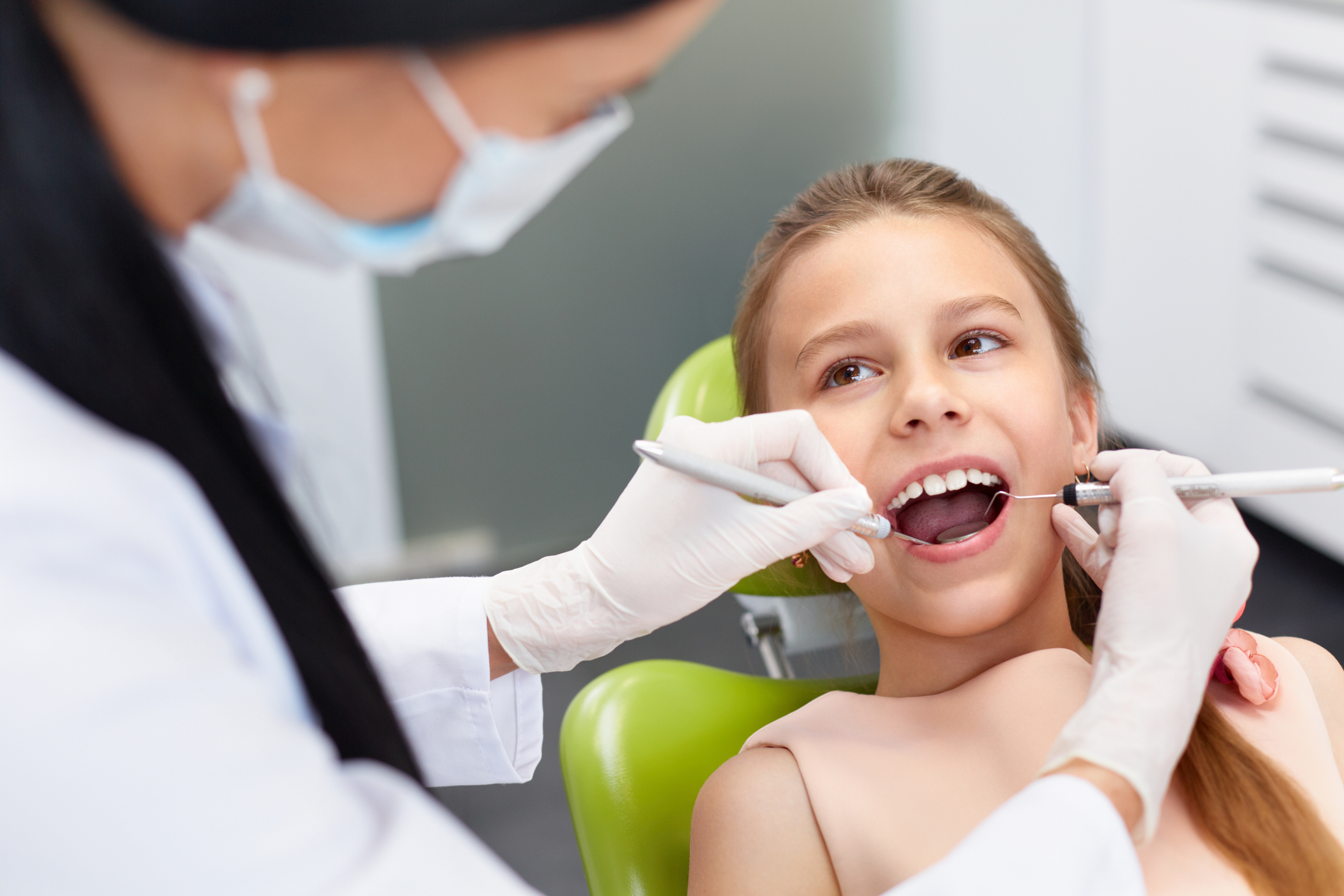
Your dentist checks each tooth for visible changes such as decay, cracks, wear, or damaged restorations.
Existing fillings, crowns, bridges, and other dental work may also be evaluated to make sure they continue to function as expected.
If something needs attention, we explain what we see and discuss the appropriate next step.
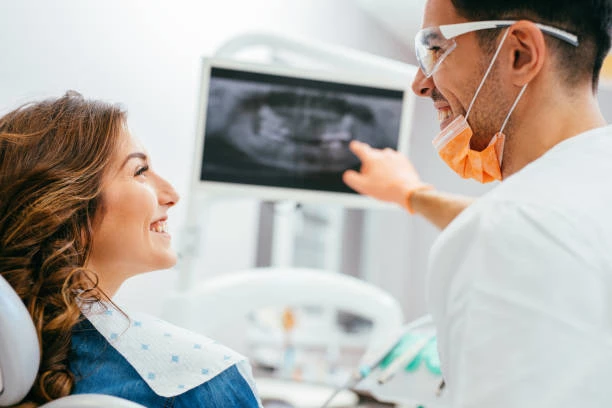
Digital X-Rays When Needed
Some dental concerns cannot be identified through a visual examination alone.
Digital X-rays may be recommended to provide a clearer view between teeth, around tooth roots, beneath existing dental work, and within supporting bone.
The frequency of X-rays depends on your oral health history, age, symptoms, and current risk for dental problems.

Gum Health Evaluation
Healthy teeth depend on healthy supporting gums.
Your exam may include an evaluation for redness, bleeding, recession, tenderness, or changes around the teeth. Measurements may also be taken to help monitor gum health over time.
Finding early signs of gum problems gives you an opportunity to improve home care or receive additional treatment before the condition progresses.
Oral Cancer Screening
The soft tissues of the mouth also deserve attention.
During your dental examination, your dentist can check the lips, cheeks, tongue, gums, and other areas for unusual changes that may require further evaluation.
The screening is quick and can be completed as part of a routine dental visit.

What Happens During Your Dental Exam
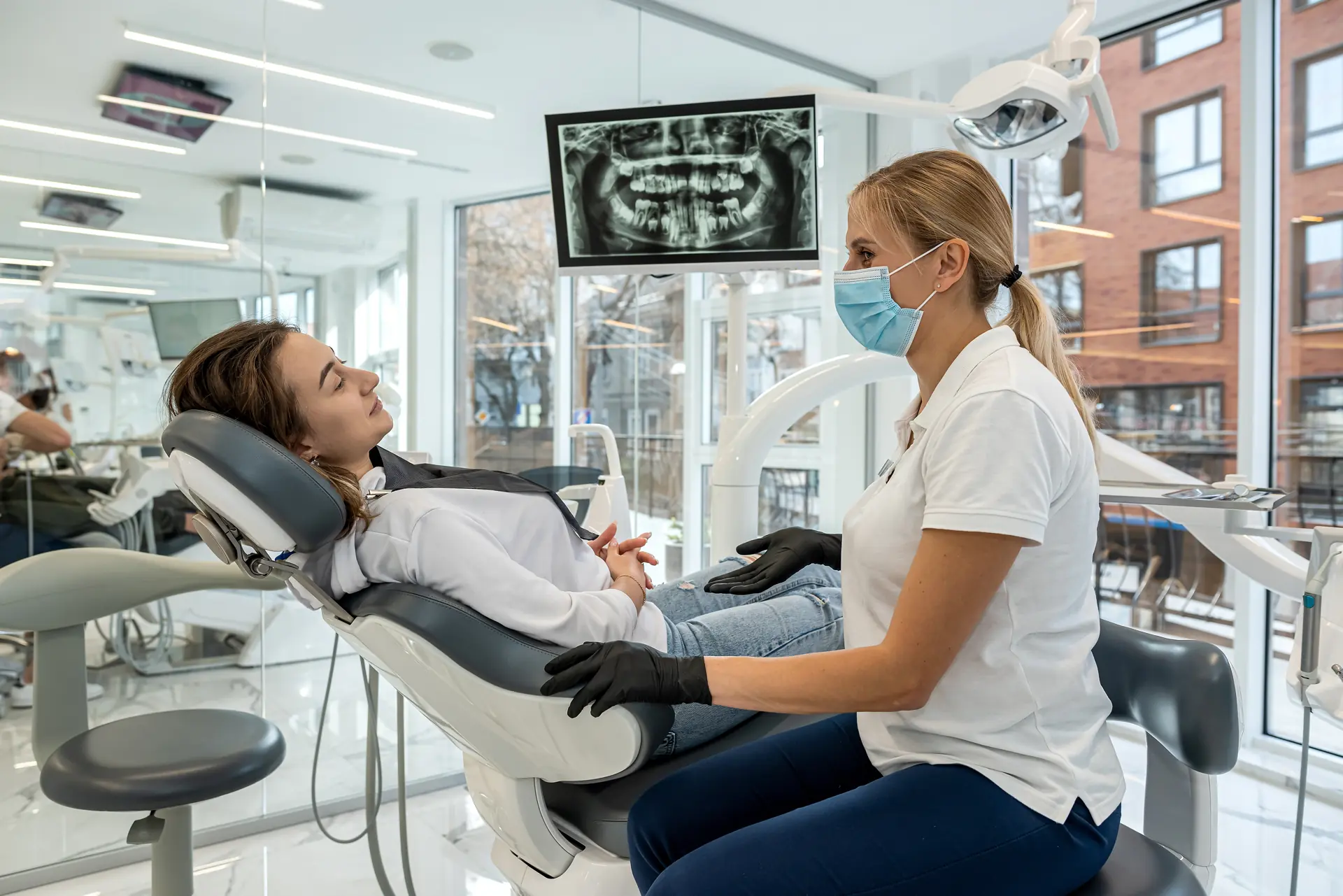
See What Your Dentist Sees
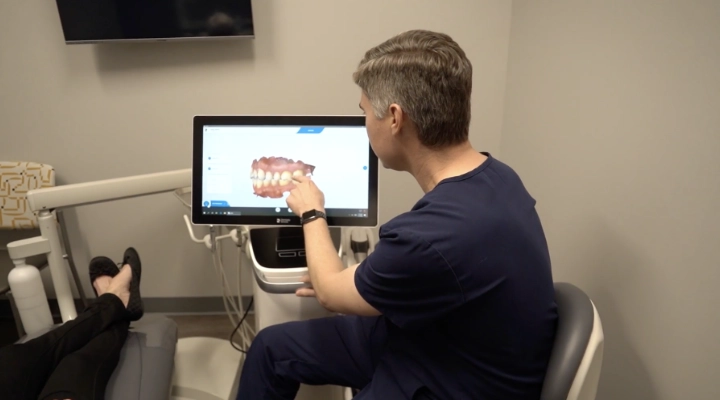
Understanding a dental concern is easier when you can actually see it.
Intraoral imaging allows detailed photographs of individual teeth and areas of the mouth to be displayed during your appointment. Instead of simply being told that a tooth has a crack, worn filling, or another concern, you may be able to view the area yourself.
This can make conversations about treatment more straightforward.
Our goal is to give you useful information without overwhelming you. When treatment is recommended, we explain why it may be needed, what options are available, and how soon the concern should be addressed.
When You Should Schedule a Dental Exam
Many patients benefit from routine examinations at regular intervals, but the right schedule depends on individual oral health needs.
You should also consider scheduling an evaluation sooner when something in your mouth changes.
Contact a dentist if you notice:
- New or persistent tooth sensitivity
- Pain when chewing or biting
- Bleeding, swollen, or tender gums
- A chipped, cracked, or damaged tooth
- A loose filling, crown, or other restoration
- Persistent bad breath
- Swelling around a tooth or gum
- Changes in your bite
- Ongoing jaw discomfort
- A sore or unusual area that does not improve
Dental symptoms do not always indicate a serious problem, but an examination can help determine what is causing them.
Why Routine Dental Exams Matter
Regular examinations create a dental history that can be monitored over time.
Instead of evaluating your mouth only when something hurts, your dental team can compare changes from one visit to the next. This is especially useful for monitoring gum health, tooth wear, older restorations, areas at risk for decay, and other developing concerns.
Routine exams may help:
- Identify cavities before they become larger
- Monitor the condition of fillings and crowns
- Detect signs of gum problems
- Evaluate persistent sensitivity
- Identify chipped or weakened teeth
- Monitor changes in your bite
- Support better preventive care at home
Early detection does not mean every small change requires immediate treatment. Some areas may simply need to be watched. Regular exams make that ongoing monitoring possible.
Different Exams for Different Dental Needs
Not every dental visit has the same purpose. The type of examination you receive depends on why you are coming to the office.
Comprehensive New Patient Exam
A comprehensive exam gives the dental team a detailed understanding of your current oral health.
It may include an evaluation of your teeth, gums, bite, existing restorations, dental history, and appropriate diagnostic images.
This creates a useful baseline for future care.
Routine Dental Exam
Routine exams monitor changes that have occurred since your previous visit.
They are an important part of preventive dental care and allow developing concerns to be discussed before they become more complicated.
Problem-Focused Exam
If you are experiencing tooth pain, swelling, sensitivity, or damage, a focused examination can evaluate the specific area causing concern.
Diagnostic imaging may be recommended when additional information is needed.
Pre-Treatment Evaluation
Patients considering restorative or cosmetic dental treatment may need an examination first.
Checking the health of the teeth and gums beforehand helps determine whether any existing concerns should be addressed before treatment begins.
Dental Exams for Children and Teens
Regular dental visits can also help younger patients become comfortable with professional dental care.
Exams allow the dental team to monitor developing teeth, watch for cavities, evaluate oral hygiene, and discuss brushing and other preventive habits.
As children grow, their dental needs change. Routine monitoring helps parents understand what is happening at each stage and when additional care may be appropriate.
What Happens If We Find a Dental Problem?
Finding a concern during an exam does not automatically mean extensive treatment is needed.
The next step depends on what is discovered, how advanced it is, whether symptoms are present, and how the issue may affect the tooth over time.
We explain:
- What we found
- Where the problem is located
- Why it matters
- Whether treatment is urgent
- What treatment options may be appropriate
- What may happen if the area is monitored instead
Some concerns may require a filling or another restorative treatment. Others may simply need closer monitoring or changes to your home-care routine.
The goal is to help you make an informed decision rather than feeling rushed into treatment.
Make Preventive Dental Care Part of Your Routine
At River District Smiles, we want dental exams to give Rock Hill patients a clear understanding of their oral health.
Whether you are due for routine preventive care or have noticed something that does not feel right, our team can evaluate your teeth and gums, answer your questions, and recommend appropriate next steps.
Staying consistent with dental exams can help you protect healthy teeth, monitor existing dental work, and address concerns before they interfere with everyday comfort.
Schedule your dental exam with River District Smiles in Rock Hill, SC to take a proactive approach to maintaining your smile.