




Custom Dental Crowns & Bridges in Rock Hill, SC
Dental crowns and bridges can restore strength, appearance, and comfortable function when teeth are weakened, broken, heavily restored, or missing.
At River District Smiles, we provide custom crowns and bridges for patients in Rock Hill, SC, using digital technology and tooth-colored restorative materials. Each treatment plan is based on the condition of your teeth, your bite, surrounding tissues, appearance goals, and the amount of healthy tooth structure available.
Whether you need to reinforce one damaged tooth or replace a missing tooth, our goal is to create a restoration that fits comfortably and works naturally with the rest of your smile.
Custom Dental Crowns and Bridges in Rock Hill, SC
Crowns and bridges serve different purposes, but both are designed to restore dental function.
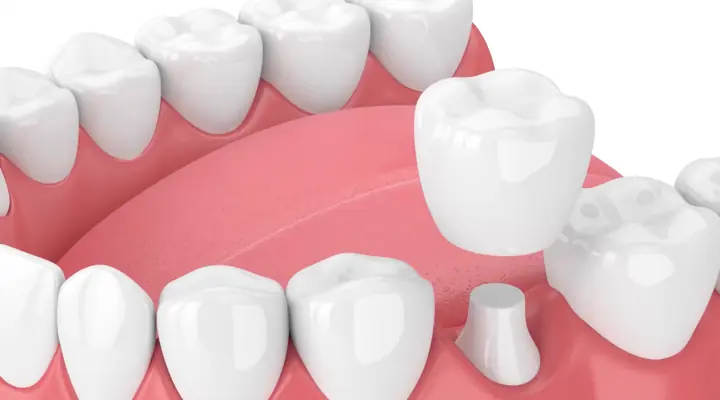
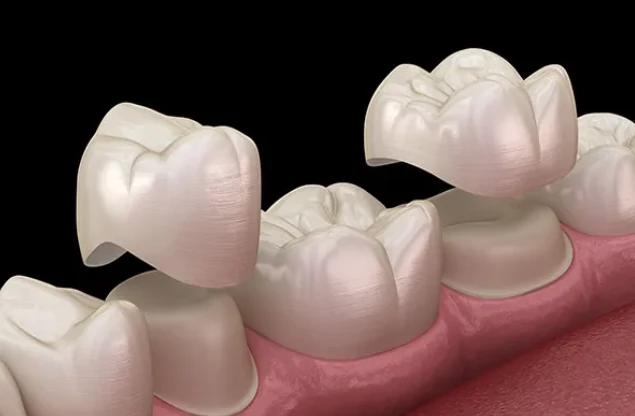
A dental crown covers most or all of the visible portion of a prepared tooth. It may be recommended when the tooth needs more coverage than a filling can provide.
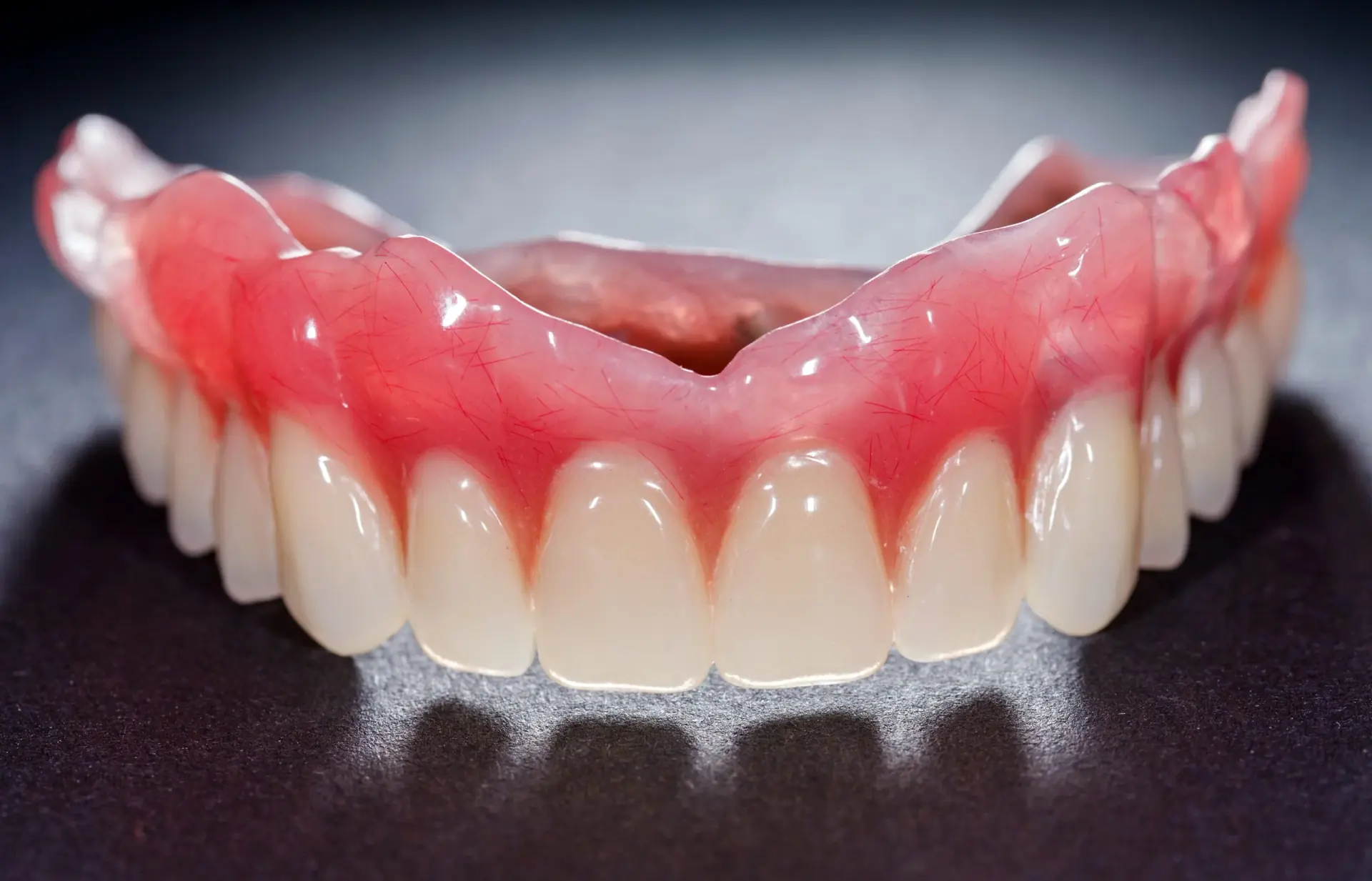
A dental bridge replaces one or more missing teeth by using neighboring teeth, dental implants, or another appropriate support system.
Both treatments are customized according to:
- Tooth position
- Bite
- Remaining tooth structure
- Gum health
- Restorative material
- Appearance
- Long-term maintenance needs
The right option depends on what problem needs to be solved.

What Is a Dental Crown?
A dental crown is a custom restoration that fits over a prepared natural tooth.
Crowns are designed to recreate the tooth’s:
- Shape
- Size
- Chewing surface
- Strength
- Appearance
A crown may be useful when a tooth has become too structurally compromised for a smaller filling or bonding procedure.
The restoration does not make the underlying tooth indestructible. Natural tooth structure remains beneath the crown and still requires good oral hygiene and regular professional monitoring.

When Might You Need a Dental Crown?
A crown may be considered when a tooth needs greater coverage or reinforcement.
Common reasons include:
- A cracked or fractured tooth
- Significant tooth wear from grinding or clenching
- Extensive decay
- A large existing filling that has weakened the tooth
- A broken or failing restoration
- Loss of substantial natural tooth structure
- A severely worn chewing surface
- Structural and cosmetic concerns affecting the same tooth
A crown is not automatically necessary for every cavity, chip, or discolored tooth.
Whenever a smaller restoration can predictably preserve and support the tooth, a more conservative option may be appropriate.

Dental Crowns for Cracked or Fractured Teeth
Cracks and fractures can vary considerably.
Some involve only a small area of enamel. Others weaken a larger portion of the tooth.
Possible symptoms include:
- Pain when biting
- Pain when releasing your bite
- Cold sensitivity
- Intermittent discomfort
- A visible fracture
- A piece of tooth breaking away
Depending on the extent of the damage, treatment may involve:
- Dental bonding
- A filling
- An onlay
- A crown
- Another appropriate restorative option
When substantial tooth structure has been weakened, a crown may help distribute chewing forces more evenly across the restored tooth.

- A filling occupies a substantial portion of the tooth
- One or more cusps are weakened
- The filling is beginning to fail
- Part of the surrounding tooth has broken
- Replacing the filling alone would not provide reliable support
- Several tooth walls are weakened
- A large amount of decayed structure must be removed
- The tooth has fractured because of decay
- A smaller restoration would leave the tooth vulnerable
- Shape
- Size
- Proportion
- Color
- Surface appearance
Crown treatment begins with evaluation and planning.
The exact process depends on the tooth and whether the restoration can appropriately be produced using in-office technology.
1. Examination and Treatment Planning
Before preparing the tooth, we evaluate:
- Remaining healthy structure
- Decay
- Fractures
- Existing restorations
- Gum health
- Bite
- Symptoms
- Tooth position
Digital imaging may be recommended when additional information is needed.
If the tooth requires care outside the services available through River District Smiles, we can explain our findings and discuss the appropriate next step.
2. Tooth Preparation
If a crown is appropriate, the area is numbed and the tooth is carefully prepared.
Damaged or decayed structure is addressed, and enough room is created for the restoration.
The goal is to preserve healthy structure while creating a stable foundation for the crown.

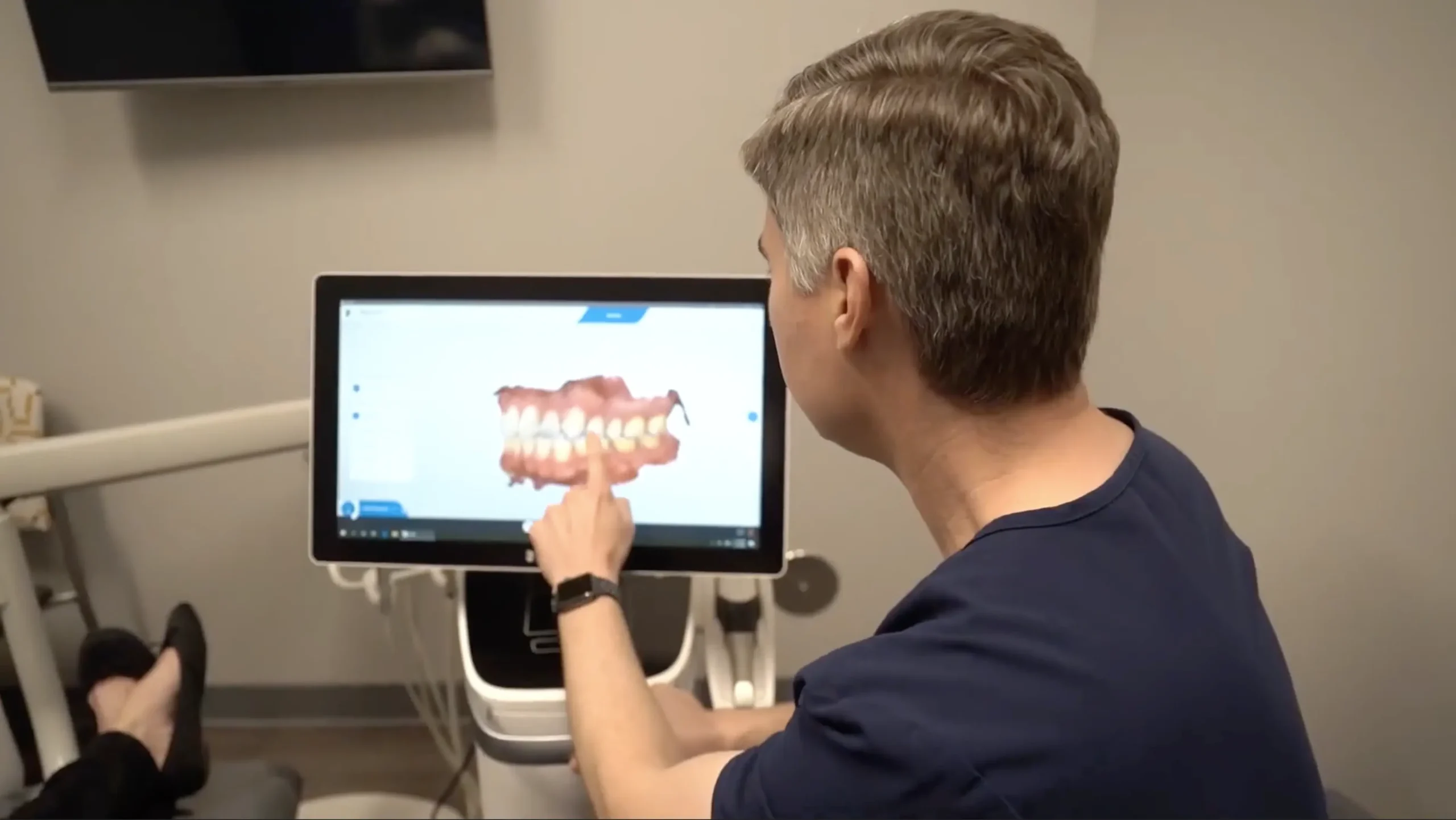
3. Digital Scanning
Digital scanning can capture the prepared tooth, neighboring teeth, and bite.
This information helps create a restoration that fits accurately within your smile.
4. Custom Crown Design
Your crown is designed according to factors such as:
- Tooth shape
- Bite
- Neighboring teeth
- Available space
- Shade
- Contour
The restoration should fit comfortably without interfering with normal chewing.
5. Same-Day CEREC Crown When Appropriate
River District Smiles uses CEREC technology for selected crown cases.
When appropriate, digital technology may allow the crown to be designed, milled, adjusted, and placed during the same visit.
Not every crown is best completed this way.
Cases requiring different materials or additional customization may follow another restorative workflow.
6. Final Placement
Before the crown is securely placed, we check:
- Fit
- Bite
- Contact with neighboring teeth
- Shape
- Comfort
- Appearance
Adjustments can be made as necessary before final placement.
Crowns for Teeth With Large Fillings
A large filling can restore a tooth successfully, but the remaining natural walls may become thinner as more structure is lost.
Over time, the tooth may become more vulnerable to fracture.
A crown may be recommended when:
The decision is based on the condition of the remaining tooth rather than the age of the filling alone.
Crowns for Extensive Tooth Decay
Small cavities can often be treated with fillings.
When decay affects a larger portion of the tooth, however, there may not be enough strong structure remaining to support another filling predictably.
A crown may provide additional coverage when:
If the tooth is too severely damaged to support a predictable restoration, another treatment approach may need to be discussed.
Can Crowns Improve the Appearance of a Tooth?
Yes, particularly when structural and cosmetic concerns occur together.
A tooth-colored crown can improve:
However, a crown should not automatically be the first treatment used for a purely cosmetic concern.
If the tooth is healthy and requires only a minor appearance change, whitening, bonding, or veneers may preserve more natural tooth structure.
What Materials Are Used for Dental Crowns?
Crowns can be made from several materials.
The appropriate choice depends on the location of the tooth, bite forces, available space, appearance goals, and other clinical factors.
Ceramic Crowns
Tooth-colored ceramic materials can provide natural-looking results and are often selected when appearance is important.
Zirconia Crowns
Zirconia combines strength with tooth-colored aesthetics and may be useful for teeth exposed to heavier bite forces.
Other Crown Materials
Additional restorative materials may be appropriate in selected situations.
Your dentist can explain why a particular material is recommended for your tooth.
Our Dental Crown Process
What Is a Dental Bridge?
What Are the Different Types of Dental Bridges?
Several bridge designs are available.
The right option depends on the location of the missing tooth, condition of neighboring teeth, available bone, bite forces, and treatment goals.
Traditional Dental Bridge
A traditional bridge typically uses crowned natural teeth on either side of the missing-tooth space for support.
It may be considered when:
- One tooth is missing
- A short span of teeth is missing
- Supporting teeth are strong enough
- Neighboring teeth already need substantial restoration
- Implant treatment is not preferred or appropriate
Because supporting teeth usually need preparation, the condition of those teeth should be carefully considered before treatment.
Implant-Supported Bridge
An implant-supported bridge uses dental implants rather than natural teeth for support.
This may be considered when several teeth are missing and the patient’s oral health, bone, and treatment goals make implant care appropriate.
Potential advantages include:
- Fixed tooth replacement
- No need to prepare neighboring natural teeth solely for bridge support
- Stable support for multiple replacement teeth
Implant-supported restorations are long-term treatment options, but they still require ongoing cleaning, professional maintenance, and monitoring.
Maryland Bridge
A Maryland bridge may be appropriate in selected cases, commonly involving certain missing front teeth.
Instead of fully covering neighboring teeth with crowns, the replacement tooth is supported by a framework or wings bonded behind adjacent teeth.
Its suitability depends on:
- Bite forces
- Missing-tooth location
- Condition of neighboring teeth
- Available enamel for bonding
It is not the right design for every missing-tooth space.
Is a Bridge Better Than a Dental Implant?
Neither treatment is automatically better.
A bridge may be appropriate when:
- Neighboring teeth already require crowns
- Implant surgery is not desired
- Bone conditions make implant treatment less practical
- A patient prefers a fixed non-implant option
A dental implant may be attractive when:
- Neighboring teeth are healthy
- Adequate bone is available
- Independent tooth replacement is preferred
- The patient is an appropriate implant candidate
The right decision requires evaluating the entire area rather than simply comparing the two procedures in general terms.
Is a Crown Better Than a Filling?
Not necessarily.
A filling is usually the more conservative treatment when the damaged area is relatively limited.
A Filling May Be Appropriate When:
- Damage is small or moderate
- Strong tooth walls remain
- The tooth can support the restoration
- No major structural fracture is present
A Crown May Be Appropriate When:
- Extensive structure has been lost
- A large filling has weakened the tooth
- One or more cusps are fractured
- Significant tooth wear is present
- Greater coverage is needed for predictable function
The goal is to use an appropriate restoration without removing more healthy structure than necessary.
How Long Do Dental Crowns Last?
Many dental crowns can function for 10 to 15 years or longer, although there is no guaranteed lifespan.
Longevity can depend on:
- Crown material
- Supporting tooth structure
- Oral hygiene
- Gum health
- Bite forces
- Grinding or clenching
- Diet
- Dental trauma
- Professional maintenance
Some crowns last considerably longer, while others may require earlier replacement.
How Long Do Dental Bridges Last?
Dental bridges can also function for many years when the supporting teeth, gums, and restoration remain healthy.
Longevity is influenced by:
- Bridge design
- Supporting teeth
- Oral hygiene
- Gum health
- Bite forces
- Grinding
- Material
- Maintenance
Regular examinations allow us to monitor both the bridge and the teeth or implants supporting it.
Can a Tooth Under a Crown Still Get a Cavity?
Yes.
The crown material itself cannot decay, but natural tooth structure near the crown margin can still develop cavities.
Good maintenance includes:
- Brushing twice daily with fluoride toothpaste
- Cleaning between teeth every day
- Keeping the crown margin clean
- Limiting frequent sugar exposure
- Attending professional cleanings
- Maintaining regular dental exams
A crown does not eliminate the need for preventive care.
How Do You Clean Under a Dental Bridge?
Cleaning beneath a bridge is especially important because a standard toothbrush cannot reach every surface underneath the replacement tooth.
Depending on the bridge, your dental team may recommend:
- Floss threaders
- Specialized bridge floss
- Interdental brushes
- Water flossers
The goal is to remove plaque around supporting teeth and beneath the bridge.
Your hygienist can show you which technique works best for your restoration.
What Can Damage a Crown or Bridge?
Crowns and bridges are designed for normal chewing, but they can still be damaged.
Risk factors include:
- Chewing ice
- Biting very hard objects
- Using teeth as tools
- Grinding
- Clenching
- Dental trauma
- Decay around supporting teeth
- Gum disease
- Normal wear
If you grind your teeth, ask whether a protective dental appliance may be appropriate.
What Are Signs That a Crown Needs Attention?
Contact your dentist if you notice:
- Pain while biting
- Persistent sensitivity
- A loose crown
- A chipped restoration
- Food repeatedly trapping around it
- Gum swelling
- Floss catching or shredding
- A change in your bite
These symptoms do not automatically mean the crown needs to be replaced.
An examination can determine what is happening.
What Are Signs That a Bridge Needs Attention?
A bridge should be evaluated if:
- It feels loose
- Chewing becomes uncomfortable
- Food repeatedly traps underneath
- Supporting teeth become sensitive
- Gum tissue becomes swollen or bleeds
- The restoration chips or fractures
- Your bite feels different
Problems identified earlier may sometimes be easier to manage.
Can a Damaged Crown Be Replaced?
Yes.
If a crown chips, breaks, loosens, or no longer fits appropriately, we can evaluate the restoration and the tooth underneath.
The next step depends on:
- Condition of the supporting tooth
- Reason the crown failed
- Amount of healthy structure remaining
- Gum health
- Bite
If the underlying tooth remains suitable for restoration, a replacement crown may be possible.
Can a Dental Bridge Be Replaced?
Yes.
A bridge may eventually need replacement because of:
- Wear
- Fracture
- Changes in supporting teeth
- Decay
- Gum changes
- Loss of retention
Before replacing it, the dentist evaluates the supporting teeth and surrounding tissues to determine which restorative option is appropriate.
Why Choose River District Smiles for Crowns and Bridges?
Digital Restorative Technology
We use digital imaging and scanning technology when appropriate to help evaluate teeth and plan restorations.
CEREC Technology
Selected crown cases may be completed using in-office CEREC technology.
Customized Tooth-Colored Restorations
Crowns and bridges are designed around the shape, shade, position, and bite of your surrounding teeth.
Individualized Treatment Planning
We do not assume every broken tooth needs a crown or every missing tooth needs a bridge.
Treatment is based on the condition of your mouth and your individual goals.
Restorative and Implant Options
Because River District Smiles provides both restorative and dental implant care, we can discuss different approaches to replacing missing teeth when appropriate.
Clear Treatment Guidance
If an examination identifies a condition requiring treatment outside the services available through River District Smiles, we can explain the findings and discuss the appropriate next step.
Restore Strength, Function, and Appearance
Dental crowns and bridges can provide effective solutions for damaged and missing teeth, but successful restorative care begins with choosing the right treatment for the individual situation.
A crown may reinforce a significantly weakened tooth.
A bridge may fill a missing-tooth space and restore useful function.
In other cases, a filling, onlay, bonding procedure, veneer, dental implant, or another option may be more appropriate.
The goal is not simply to place a restoration. It is to create a treatment plan that preserves healthy structures, restores comfortable function, and can be maintained over time.
Schedule a Crowns and Bridges Consultation in Rock Hill, SC
At River District Smiles, we provide dental crowns, bridges, and restorative dental care for patients in Rock Hill, SC, and surrounding communities.
If you have a cracked tooth, large filling, significant decay, damaged restoration, or missing tooth, our team can evaluate your oral health and explain which treatment options may be appropriate.
We can discuss crown materials, traditional and implant-supported bridges, CEREC treatment when appropriate, dental implants, and other restorative options based on your needs.
If your condition requires care outside the services available through River District Smiles, we can explain our findings and discuss the appropriate next step.
Contact River District Smiles to schedule a crowns and bridges consultation in Rock Hill, SC.
Experience the River District Smiles Difference
Drs. Matthew and Emily Hubis welcome patients of all ages for personalized general and cosmetic dental care in Rock Hill, SC.
If you have a damaged tooth or missing teeth, schedule an appointment with River District Smiles to learn which restorative option may best support your smile, bite, and long-term oral health.