

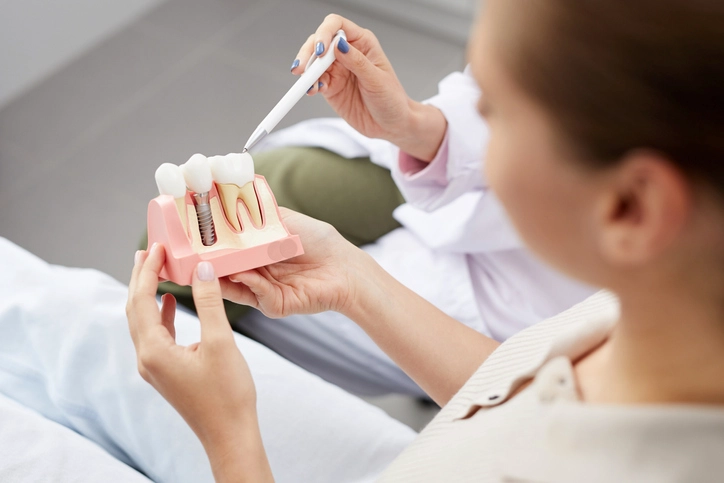

Losing a tooth changes more than your smile. It affects how you eat, how you speak, and sometimes how confident you feel in social situations.
The big question most patients ask is simple: what’s the best replacement option? When comparing dental implants, bridges, or dentures, the right choice depends on your lifestyle, budget, oral health, and long-term goals.
Each option has strengths and trade-offs. In this guide, we’ll break everything down clearly so you can feel informed, confident, and ready to make the best decision for your smile.
Which Lasts Longer, Dental Implants or Bridges?
When it comes to longevity, dental implants generally have the edge. A well-placed implant can last 20 years or more, and in many cases, even a lifetime with proper care. Bridges, on the other hand, typically last 10 to 15 years before they may need replacement.
Why the Difference?
- Implants replace both the root and crown.
- They integrate with your jawbone.
- They prevent bone loss over time.
- They don’t rely on neighboring teeth.
- They resist shifting and movement.
- They function independently.
- They are made from durable titanium and porcelain.
Bridges depend on the health of surrounding teeth. If one of those supporting teeth develops decay or damage, the bridge may fail sooner. While both are strong solutions, implants often provide a longer-term investment.
If durability and minimal future maintenance matter most to you, implants usually win this category.
Are Dentures Uncomfortable Compared to Implants?
Comfort is one of the biggest concerns patients have. Dentures can take time to adjust to. Because they rest on the gums rather than being anchored into the bone, some people experience:
- Mild irritation
- Pressure points
- Occasional slipping
- Difficulty chewing certain foods
- Speech adjustments at first
- Gum soreness during initial wear
Implants feel more like natural teeth because they’re fixed in place. There’s no movement while chewing or speaking. That stability tends to increase comfort significantly.
That said, modern dentures have improved greatly. With proper fitting and adjustments, many patients adapt well. Still, if you’re looking for the most natural feel, implants often provide greater comfort long term. The experience truly depends on your expectations and how your mouth adapts.
What Is the Most Affordable Way to Replace Missing Teeth?
Cost matters. Dentures are usually the most affordable upfront option. They can replace multiple teeth at once and don’t require surgery. Bridges fall somewhere in the middle, while dental implants typically have the highest initial cost.
Here’s a General Breakdown:
- Dentures: lowest upfront cost
- Bridges: moderate cost
- Implants: highest upfront investment
- Dentures may need more frequent replacement
- Bridges may require replacement after 10–15 years
- Implants often last decades
- Long-term value can outweigh upfront cost
While dentures are budget-friendly initially, implants may save money over time because of durability. It’s important to think beyond just today’s price tag. Consider maintenance, repairs, and longevity when deciding between dental implants, bridges, or dentures.
For patients looking deeper into long-term value, understanding the cost of dental implants can help put the investment into perspective.
Do Dental Implants Look More Natural Than Dentures?
Aesthetics play a big role in confidence. Implants are designed to look, feel, and function like natural teeth. The crown is custom-shaped and color-matched to blend seamlessly with your smile.
Why Implants Often Look More Natural:
- They emerge from the gum like a real tooth.
- They preserve jawbone structure.
- They prevent facial sagging.
- They stay fixed in place.
- They maintain natural bite alignment.
- They don’t have visible clasps.
- They move naturally with your mouth.
Dentures can look beautiful too, especially modern designs. However, because they sit on top of the gums, they may not replicate the same natural gum line transition as implants.
If realism is your top priority, implants tend to offer the most lifelike appearance when comparing dental implants, bridges, or dentures.
Can You Switch From Dentures to Implants Later?
Yes, in many cases, you can transition from dentures to implants. Many patients begin with dentures due to cost or immediate needs and later upgrade.
Things to Consider:
- Bone density must be evaluated.
- Bone grafting may be required.
- Healing time varies.
- Health conditions can affect eligibility.
- A consultation determines feasibility.
- Implant-supported dentures are an option.
- Timeline depends on individual case.
If you’ve worn dentures for years, some bone loss may have occurred. However, advancements in dental technology make conversion possible for many patients. The key is a personalized evaluation. Flexibility exists, and you’re not locked into one option forever.
Are Bridges Damaging to Surrounding Teeth?
Bridges require reshaping the teeth next to the missing tooth to anchor the restoration. This means removing healthy enamel from those supporting teeth.
Potential Concerns Include:
- Increased risk of decay in supporting teeth
- Stress on neighboring teeth
- Potential root canal need later
- Difficulty cleaning underneath the bridge
- Structural compromise of healthy teeth
- Possible gum irritation
- Limited lifespan compared to implants
That doesn’t mean bridges are harmful. They are safe and effective when placed correctly. But implants preserve neighboring teeth because they stand alone. For patients who want to protect surrounding teeth, crowns and bridges may still be a practical solution depending on the condition of nearby teeth, while implants may be the more conservative long-term option.
How Do I Choose Between Implants and Dentures?
Choosing between options depends on your priorities. Ask yourself:
- What is my budget?
- How important is long-term durability?
- Am I comfortable with surgery?
- Do I want maximum stability?
- How many teeth am I replacing?
- What is my current bone health?
- What level of maintenance am I comfortable with?
If stability and longevity are top priorities, implants are often preferred. If affordability and non-surgical treatment are key, dentures may make sense. Your dentist will help evaluate your oral health, bone condition, and lifestyle to guide your decision.
There’s no one-size-fits-all answer when weighing dental implants, bridges, or dentures. The best choice is the one that fits your needs and goals.
Patients also often compare these options when reviewing the difference between dental implants and dentures to better understand which solution aligns with their everyday needs.
Final Thoughts
Replacing missing teeth is a big decision, but it doesn’t have to feel overwhelming. Each option has unique benefits.
Implants offer durability and natural feel. Bridges provide a fixed solution without surgery. Dentures offer affordability and flexibility. The right choice depends on your health, lifestyle, and long-term vision for your smile.
Take time to ask questions, understand your options, and choose a solution that supports both comfort and confidence. Your smile deserves thoughtful planning and personalized care.
Restore Your Smile with Confidence
Choosing between dental implants, bridges, or dentures can come with a lot of questions. At River District Smiles Dentistry, we take a thoughtful approach by listening to what matters most to you and explaining your options without pressure.
From there, we build a treatment plan that fits your goals and lifestyle. Our goal is to make the process feel easy to navigate, so you can move forward feeling informed and at ease.