

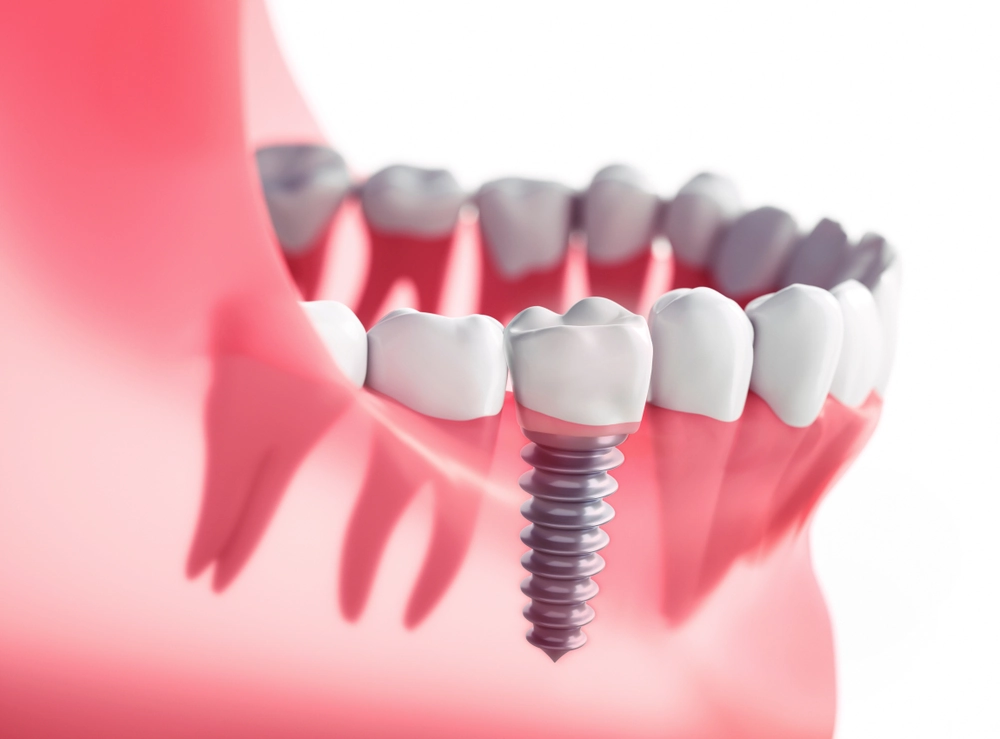

Dentures used to be the default option for missing teeth. Now, more patients are choosing something different.
Dental implants are quietly replacing dentures, and the reasons are easy to understand. Implants look and feel more natural, stay firmly in place, and don’t come with the daily hassle many denture wearers know too well. Eating, speaking, and smiling feel easier and more confident.
Over time, implants also help protect jawbone health, which dentures can’t do. Patients who make the switch often say the same thing: they wish they had done it sooner. It’s not about trends or vanity. It’s about comfort, confidence, and a long-term solution that fits real life.
Why are Dental Implants Becoming More Popular Than Dentures?
The rise in popularity of dental implants is not driven by trends. It is driven by lived experience. Patients talk to each other. They share frustrations. They compare outcomes. Over time, a clear preference has emerged.
Dentures solve one problem but often introduce others. They restore the appearance of teeth, but they can feel like a compromise in function and comfort. Dental implants approach tooth replacement differently, and patients notice the difference immediately.
Dental implants are becoming more popular because they:
- Stay securely in place without adhesives
- Do not shift while speaking or eating
- Preserve jawbone structure
- Function more like natural teeth
- Reduce long-term maintenance frustrations
Another major factor is expectations. Today’s patients are not just looking for a solution. They are looking for quality of life. They want to eat normally, speak confidently, and forget about their dental work during daily routines.
Dentures often require constant awareness. You plan meals differently. You think about movement. You worry about slipping. Implants remove that mental burden.
As people live longer and remain active later in life, the appeal of a stable, low-maintenance solution becomes stronger. Dental implants fit that lifestyle far better than removable dentures ever did.
How Do Dental Implants Compare to Dentures For Long Term Comfort?
Comfort is where the difference becomes undeniable over time.
Dentures rest on the gums. Even well-made dentures apply pressure to soft tissue that was never meant to support chewing forces. Over time, this pressure can cause soreness, irritation, and changes in fit as the jawbone continues to shrink.
Dental implants anchor directly into the jawbone. That single difference changes everything.
From a long-term comfort perspective:
- Implants do not rub or shift against gum tissue
- There is no need for sticky adhesives
- Pressure is distributed naturally through the jaw
- Speech feels more stable and predictable
Many denture wearers describe a constant low-level awareness of their dentures. It may not always be painful, but it is present. Implants, on the other hand, tend to disappear into daily life. Once healed, most patients stop thinking about them entirely.
There is also the issue of adjustment. Dentures often require relining or replacement as the jaw changes shape. Each adjustment period brings discomfort and downtime. Dental implants help prevent that bone loss, reducing the need for repeated changes.
Over years, this difference compounds. What starts as a small comfort improvement becomes a significant quality-of-life upgrade.
What Makes Dental Implants Feel More Natural Than Dentures?
Natural feel is difficult to explain until someone experiences it firsthand. Dental implants feel natural because they behave like natural teeth.
They are fixed in place. They respond to biting forces. They engage the jawbone. They allow patients to chew without hesitation or fear.
Several factors contribute to this natural feel:
- Stability that mimics real tooth roots
- Consistent bite pressure without movement
- No bulky acrylic covering the palate
- Better temperature sensation when eating
Dentures, especially upper dentures, often cover the roof of the mouth. This affects taste, temperature perception, and overall comfort. Dental implants leave the palate uncovered, restoring a more natural eating experience.
Speech is another area where implants shine. Dentures can affect pronunciation, especially when they shift slightly. Many patients report subtle but persistent changes in how they speak. Implants eliminate that variable, allowing speech patterns to return to normal.
There is also a psychological component. Knowing that your teeth are secure changes how you move, smile, and interact. Patients with implants tend to feel more confident, not because their teeth look better, but because they trust them.
That trust is what makes implants feel like they belong.
Are Dental Implants a Permanent Alternative to Traditional Dentures?
In many cases, yes. Dental implants are designed to be a long-term, often lifelong solution.
The implant itself integrates with the jawbone through a process called osseointegration. Once healed, it becomes part of the bone structure. With proper care, implants can last for decades.
Dentures, by contrast, are inherently temporary. They rely on changing anatomy and require regular replacement or adjustment. Even the best dentures cannot stop bone loss, which means the fit will continue to change over time.
Dental implants offer permanence in several important ways:
- They help preserve jawbone density
- They maintain facial structure
- They reduce the need for future replacements
- They support consistent oral function
It is important to note that permanence does not mean zero maintenance. Implants still require good oral hygiene and regular dental visits. But the foundation remains stable, which is something dentures cannot offer.
For patients who still need full-arch replacement, implant-supported dentures combine the best of both worlds. These solutions anchor dentures to implants, eliminating slipping while maintaining a removable option if needed.
The key difference is choice. Dental implants expand options instead of limiting them.
Why Patients Are Quietly Making The Switch
What is interesting about this shift is how understated it is. Patients are not campaigning against dentures. They are simply choosing something better for themselves.
Many patients who switch to implants had dentures first. They lived with the compromises. They adapted. Then they discovered implants and realized how much effort they had been putting into something that no longer served them.
Common reasons patients cite for switching include:
- Frustration with adhesives
- Difficulty eating certain foods
- Ongoing sore spots or irritation
- Loss of confidence in social settings
- Desire for a more stable, long-term solution
Once patients experience implants, they rarely want to return to dentures. Not because dentures are inherently bad, but because implants feel like freedom.
Freedom from worry. Freedom from adjustments. Freedom from constant awareness.
The Emotional Impact No One Talks About
Beyond function and comfort, dental implants often have a quiet emotional impact.
Patients who struggled with dentures sometimes avoided certain situations. Dining out. Laughing freely. Speaking up in groups. These behaviors often return naturally after implant treatment.
It is not about vanity. It is about ease.
When teeth feel reliable, people stop managing them mentally. That mental relief matters more than most people expect.
Dental implants do not just replace teeth. They remove a layer of daily stress that many patients did not realize they were carrying.
A Better Way Forward Starts With The Right Conversation
At River District Dentistry Smiles, we believe tooth replacement should feel like restoration, not compromise. Dental implants offer patients a chance to move forward with confidence, comfort, and stability that traditional dentures simply cannot match.
If you are living with dentures or considering your options for missing teeth, we invite you to have an honest conversation with our team. Let’s talk about what feels right for your life, not just what fills the space.
Because when patients experience dental implants, they are not looking back.