


Getting a dental implant might sound intimidating, but it is often simpler than people expect. Knowing what happens during a dental implant procedure can help ease nerves and make the whole experience feel more manageable.
The process usually starts with an exam and planning, followed by placing the implant, allowing time for healing, and then adding the final tooth replacement. These implant surgery steps are done carefully to make sure the implant stays secure and works like a natural tooth.
If you are curious about the tooth implant process in Rock Hill, SC, understanding each stage can help you feel more prepared and confident.
Is Getting a Dental Implant Painful?
One of the first concerns patients have about a dental implant procedure is whether it hurts. The good news is that the area is numbed during the procedure, so you should not feel sharp pain while the implant is being placed. You may feel pressure or movement, but the goal is to keep you comfortable throughout the visit.
What patients usually feel during the procedure
- Local anesthesia keeps the area numb
Your dentist will numb the area before beginning, much like with other common dental treatments. This helps prevent pain during the actual implant placement. - Pressure is more common than pain
Some patients describe feeling vibration, gentle pressure, or awareness that the dentist is working, but not actual pain. - Sedation may be available in some cases
Depending on the office and the complexity of the case, some patients may also have sedation options to help them relax.
What about after the procedure?
After the numbness wears off, it is normal to have some soreness, swelling, or tenderness for a few days. Most patients describe the recovery as manageable, especially when compared to what they originally feared. Following aftercare instructions is an important part of making the tooth implant process where patients experience smoother and more comfortable.
How Long Does The Implant Procedure Take?
The actual placement part of a dental implant procedure is often shorter than people expect. In many single-tooth cases, the surgical appointment may take around one to two hours, though the exact timing depends on the complexity of the case and whether additional procedures are being done.
What affects procedure length?
- Number of implants being placed
A single implant usually takes less time than a case involving multiple implants. - Whether a tooth needs to be removed first
If extraction and implant placement happen together, the appointment may take longer. In some cases, tooth extractions may be part of the treatment plan before implant placement. - Whether bone grafting is needed
Adding grafting material or other preparation can increase the time involved. - The condition of the treatment area
A straightforward case with good bone support often moves more quickly than a case requiring additional planning or preparation.
The full process is longer than the surgery day
This is important to understand. Even if the actual implant placement appointment is relatively short, the complete dental implant procedure happens over time. The implant needs time to heal and bond with the jawbone before the final restoration is placed. That healing period is a major part of the overall implant surgery steps and long-term success.
How Many Visits are Needed For Dental Implants?
Dental implants usually require multiple visits rather than one single appointment from start to finish. That is because the process includes evaluation, planning, surgery, healing, and final restoration.
Common stages in the implant journey
- Consultation and exam
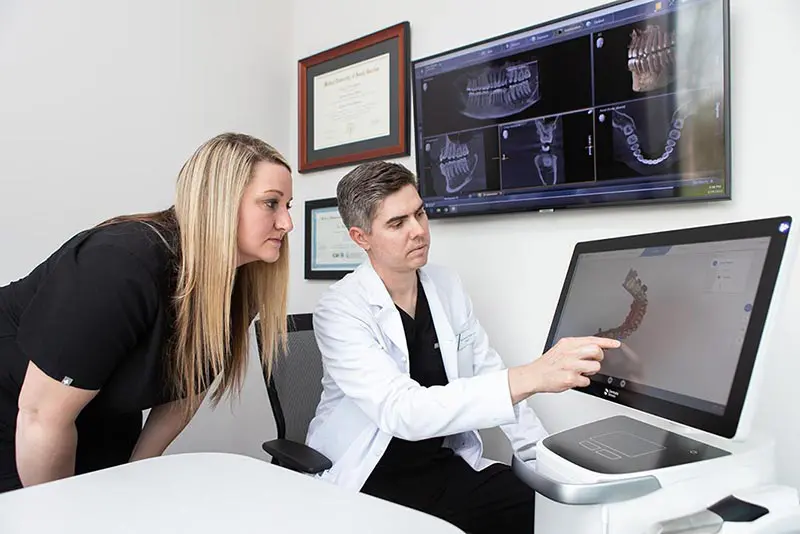
The process usually begins with a dental exam, imaging, and treatment planning. This is when your dentist checks bone support, reviews your health history, and determines whether implants are a good option. - Preparatory treatment if needed
Some patients need a tooth extraction, gum treatment, or bone graft before implant placement. - Implant placement appointment
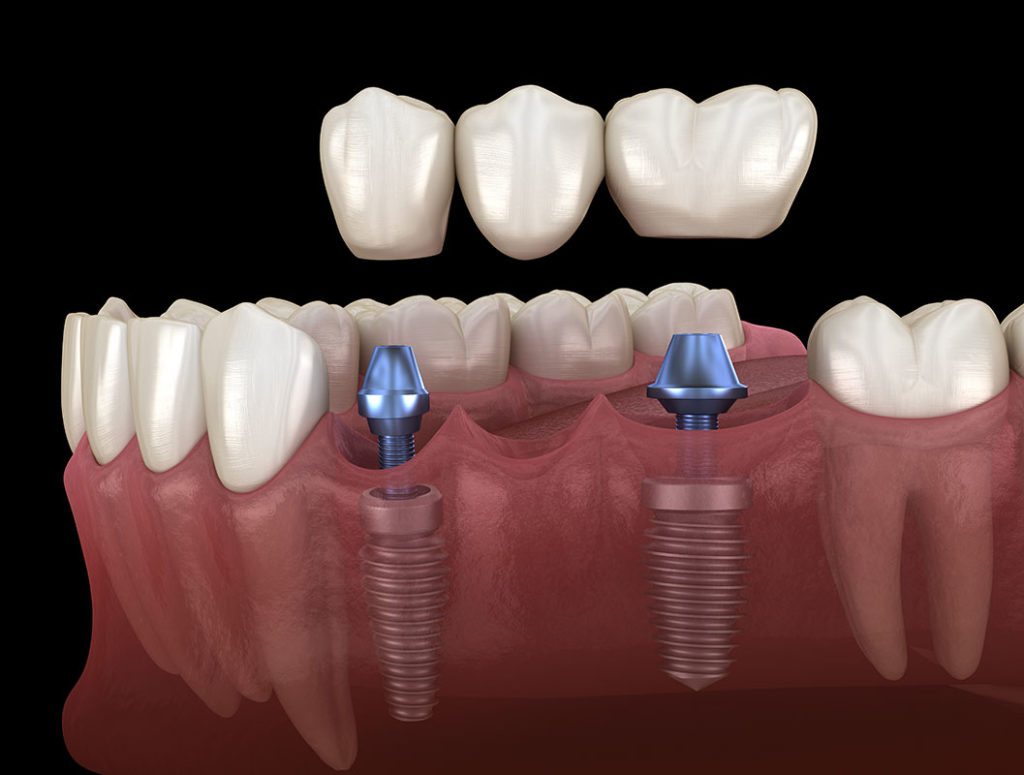
This is the surgical visit when the implant post is placed into the jawbone. - Healing and follow-up visits
After surgery, your dentist monitors healing and checks how well the implant is integrating. - Final restoration visit
Once healing is complete, the final crown, bridge, or denture component is attached.
Why the number of visits can vary
The number of appointments depends on whether your case is simple or more involved. Some patients move through the tooth implant process treatment plan more quickly, while others need extra time because of healing or preparatory work.
Dental implants are a staged process for a reason. The goal is not just placing something in the bone. The goal is building a strong foundation that lasts.
What is The Recovery Time After Implants?
Recovery after implant placement happens in stages. The initial recovery from the surgery itself is often measured in days, while full healing of the implant into the jawbone takes much longer.
Early recovery
- First few days
It is common to have mild to moderate swelling, tenderness, or minor bleeding during the first few days after surgery. Many patients feel noticeably better within a short period, especially when they follow instructions carefully. - First week or two
Soft tissue healing continues during this stage. The area may still feel a little sensitive, but daily comfort usually improves steadily.
Longer healing period
The deeper healing process is called osseointegration, which is when the implant bonds with the jawbone. This part of the dental implant procedure takes longer and is one of the most important implant surgery steps for long-term stability.
What can affect recovery time?
- Your body’s healing response
Everyone heals at a slightly different rate. - Whether additional procedures were done
A case involving extraction or grafting may need more recovery time. - How closely aftercare instructions are followed
Good oral hygiene, diet choices, and avoiding harmful habits help support healing.
Patients often focus only on the first few days of recovery, but the full tooth implant process in Rock Hill, SC dental patients go through includes both short-term comfort and longer-term bone healing.
Do You Need Bone Grafting Before Implants?
Not everyone needs bone grafting before implants, but some patients do. A dental implant needs enough healthy bone for support. If the jawbone is too thin, too weak, or has shrunk after tooth loss, a graft may be recommended before or during implant treatment.
Why bone grafting may be needed
- Bone loss after a missing tooth
When a tooth is missing for a long time, the surrounding bone can begin to shrink. - Bone loss from gum disease
Advanced periodontal problems can weaken the bone that would normally support an implant. In some cases, periodontal services may be part of the preparation before implant treatment. - Anatomical limitations
Some areas of the mouth naturally have less available bone than others.
What bone grafting does
Bone grafting helps rebuild or strengthen the area so the implant has a more secure foundation. It is a common part of treatment planning and can make the final dental implant procedure more predictable and stable.
Does grafting always delay treatment?
Sometimes it does, and sometimes it can be done at the same time as implant placement. It depends on the case. Your dentist will explain whether your situation allows for immediate placement or whether a staged approach is better.
When people think about the implant surgery steps, they often picture only the implant itself. But good preparation is often what makes the long-term result successful.
Can Implants Fail After Surgery?
Yes, implants can fail after surgery, but that does not mean failure is common in every case. Dental implants are generally very successful, especially when carefully planned and properly maintained. Still, like any surgical treatment, there are risks.
Reasons an implant may fail
- Poor healing or lack of integration
If the implant does not bond properly with the jawbone, it may become unstable. - Infection
Infection around the implant site can interfere with healing and threaten the implant. - Smoking or tobacco use
Smoking can reduce blood flow and make healing more difficult. - Excess pressure on the implant
Too much force too soon can affect early healing. - Poor oral hygiene
Keeping the area clean is an important part of protecting the implant after surgery.
Why follow-up matters
Your dentist will monitor healing to make sure the dental implant procedure is progressing as it should. Early attention to any issue helps improve the chance of a successful outcome. Patients who want to learn more about complications and prevention can also read overcoming dental implant failure: causes, prevention, and treatment options.
The good news is that careful planning, healthy healing conditions, and good aftercare all support implant success. That is one reason why the tooth implant process in Rock Hill, SC patients go through includes multiple follow-up steps rather than rushing to the final restoration.
What Should I Avoid After Getting Dental Implants?
After implant surgery, there are several things you should avoid to help the area heal properly. Protecting the site is one of the most important parts of the recovery phase.
Things to avoid after implant placement
- Hard or crunchy foods
Chewing hard foods too soon can put pressure on the healing implant site and increase discomfort. - Smoking
Smoking is one of the biggest risk factors for healing complications and implant failure. - Aggressive rinsing or spitting right away
Your dentist may recommend gentle care in the beginning so the area is not disturbed. - Touching the site too much
Avoid poking the area with your tongue or fingers, even if you are curious about how it feels. - Skipping oral hygiene
You still need to keep your mouth clean, but you should follow your dentist’s instructions carefully about how to brush and rinse around the area. - Ignoring discomfort or unusual symptoms
Pain that worsens, significant swelling, or signs of infection should be reported to your dentist.
Why aftercare is so important
The surgical part is only one part of the dental implant procedure. Healing habits after surgery play a major role in whether the implant becomes strong and stable. A smooth recovery supports every later phase of the implant surgery steps, including the final placement of your restoration.
Final Thoughts
A dental implant procedure may sound like a big step, but it often feels much more manageable once you understand how the process works. From planning and placement to healing and the final restoration, each stage is meant to build a strong, lasting result.
The key is knowing that dental implants are not rushed. They are done carefully for long-term success. When you know what to expect during the procedure and recovery, it becomes easier to feel prepared, ask the right questions, and move forward with more confidence about your smile.
Get Clear Answers Before You Begin Implant Treatment
Dental implants are not rushed, and that is a good thing. A successful dental implant procedure takes planning, healing, and the right care at every stage. Knowing the key implant surgery steps ahead of time can make the whole experience feel less overwhelming and much more manageable.
At River District Smiles Dentistry, we believe patients deserve clear answers and personalized care at every stage of treatment. If you are thinking about dental implants and want to understand what the procedure may look like for your smile, our team is here to help. You can explore our dental implant services, learn more about what to expect before, during, and after dental implant surgery, or review other procedures related to dental implants to better understand your options.