


If bad breath never seems to fully disappear, you are not imagining it, and you are certainly not alone.
Chronic bad breath can continue even when you brush regularly and try to take good care of your teeth. That is because persistent odor is not always caused by brushing habits alone. Problems involving the gums, tongue, saliva production, tooth decay, dental infections, or other health conditions may also contribute.
Understanding the common causes of persistent bad breath is the first step toward finding lasting relief. With appropriate halitosis treatment in Rock Hill, SC, it may be possible to identify the underlying issue and improve both your breath and oral health.
What Causes Chronic Bad Breath Even After Brushing?
Brushing twice a day is an important part of maintaining healthy teeth and fresher breath, but brushing alone may not eliminate chronic bad breath.
Several factors can allow unpleasant odors to continue.
1. Poor Oral Hygiene
Inadequate brushing and cleaning between the teeth can leave behind food particles and plaque.
Bacteria feed on this material and produce sulfur-containing compounds that contribute to unpleasant breath.
Even if you brush every day, areas between the teeth, along the gumline, and toward the back of the mouth may still collect plaque when they are not cleaned effectively.
Improving brushing technique and cleaning between the teeth every day may help when oral hygiene is contributing to the problem.
2. Dry Mouth
Dry mouth, also known as xerostomia, occurs when your mouth does not produce enough saliva.
Saliva helps wash away food particles, bacteria, and other debris throughout the day. When saliva production decreases, odor-producing bacteria can accumulate more easily.
Dry mouth may be associated with:
- Dehydration
- Certain medications
- Mouth breathing
- Sleep apnea
- Tobacco use
- Some health conditions
- Reduced saliva production during sleep
Drinking water regularly may help with temporary dryness, but persistent dry mouth should be discussed with a dentist or healthcare provider.
3. Food Choices
Garlic, onions, spices, coffee, and certain other foods can temporarily affect your breath.
Some odors remain even after brushing because compounds from certain foods enter the bloodstream and are later released through the lungs.
Food-related bad breath usually improves with time.
If your breath remains unpleasant regardless of what you eat, another oral or medical cause may be involved.
4. Tobacco Use
Smoking and chewing tobacco can directly produce unpleasant odors.
Tobacco may also contribute to dry mouth and increase the risk of gum disease, which can make chronic bad breath more difficult to manage.
Mouthwash or mints may temporarily cover tobacco-related odor, but they do not address the oral-health effects associated with tobacco use.
5. Underlying Health Conditions
Persistent bad breath can occasionally be associated with conditions outside the mouth.
Possible contributors include:
- Gum disease
- Sinus infections
- Respiratory conditions
- Postnasal drainage
- Diabetes
- Acid reflux
- Certain gastrointestinal conditions
- Other systemic health concerns
If regular oral hygiene does not improve chronic bad breath, identifying the actual source becomes important.
A dental examination is often a useful place to begin because many common causes of persistent odor originate in the mouth.
Can Bad Breath Be a Sign of Gum Disease?
Yes. Gum disease is one of the common dental causes of chronic bad breath.
Gingivitis and periodontitis develop when plaque and bacteria accumulate around the gumline.
As bacteria remain around and beneath the gums, they can produce unpleasant-smelling compounds. Deeper periodontal pockets can also collect plaque and debris in areas that are difficult to clean with a regular toothbrush.
Early Signs of Gum Disease
Watch for symptoms such as:
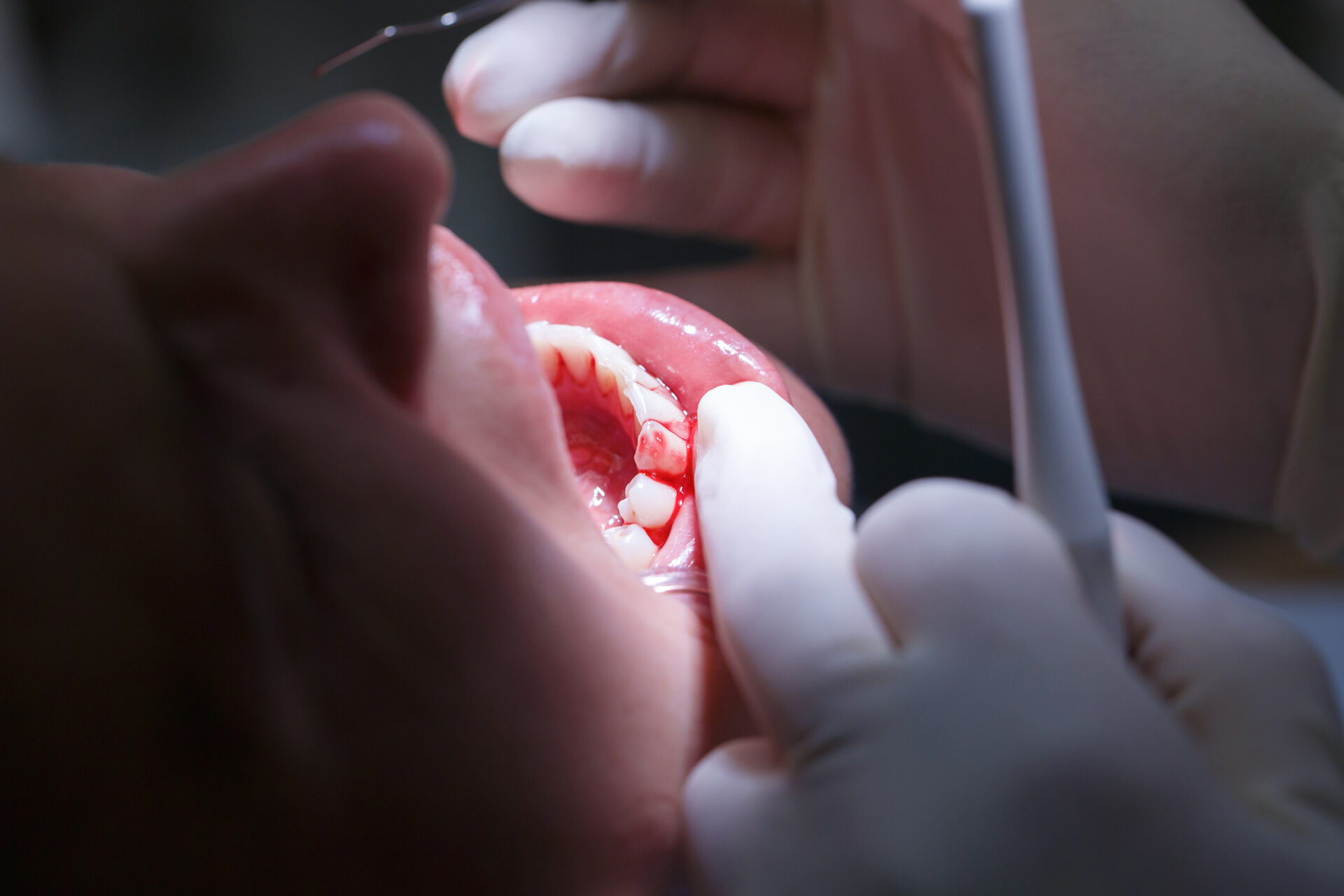
- Bleeding while brushing or flossing
- Swollen or tender gums
- Red gums
- Gum recession
- Persistent bad breath
- An unpleasant taste in the mouth
- Increased spaces between teeth
- Loose teeth in more advanced cases
Gum disease does not always cause significant pain.
For some people, persistent bad breath or bleeding gums may be among the first noticeable warning signs.
Untreated periodontal disease can eventually damage the tissues and bone that support the teeth. Professional evaluation and treatment can help control the infection and reduce the bacteria contributing to unpleasant breath.
What Are the Treatment Options?
When gum disease is contributing to bad breath, treatment depends on how advanced the condition has become.
For mild plaque and tartar buildup, a professional teeth cleaning may be recommended.
Professional cleaning removes deposits that cannot be effectively removed with ordinary brushing or flossing at home.
More advanced periodontal disease may require periodontal services such as scaling and root planing. This type of deep cleaning removes plaque and tartar from below the gumline and helps manage bacteria around the roots of the teeth.
After treatment, maintaining consistent home oral hygiene remains important.
Regular brushing, daily cleaning between the teeth, professional maintenance visits, and following your dentist’s recommendations can help reduce the likelihood that gum disease and associated bad breath will return.
How Do Dentists Treat Halitosis Permanently?
Long-term halitosis treatment begins by identifying what is actually causing the odor.
Instead of simply trying to cover bad breath with stronger mouthwash or mints, a dentist can evaluate the teeth, gums, tongue, saliva production, and existing dental work for potential problems.
Treatment is then based on the findings.
1. Professional Cleanings
When plaque, tartar, gingivitis, or periodontal disease contributes to bad breath, professional cleaning is often an important first step.
A dental hygienist can remove hardened deposits from areas that brushing and flossing cannot adequately clean.
Your dentist may also recommend adjustments to your home-care routine to help prevent buildup from returning.
2. Addressing Dry Mouth
If reduced saliva production appears to be contributing to chronic bad breath, your dentist may recommend strategies for managing dry mouth.
Depending on the cause, recommendations may include:
- Drinking water more frequently
- Using products designed for dry mouth
- Chewing sugar-free gum when appropriate
- Reviewing medications with your healthcare provider
- Addressing mouth breathing
- Using fluoride products to protect against cavities
Persistent dry mouth deserves attention because saliva does more than keep the mouth comfortable. It also helps protect the teeth and oral tissues.
3. Dental Work
Dental problems such as cavities, damaged restorations, poorly fitting crowns, broken teeth, or dental infections may contribute to persistent odor.
Treatment depends on what the examination reveals.
Appropriate care may include:
- Tooth-colored fillings
- Replacement or repair of damaged restorations
- Dental crowns
- Periodontal care
- Tooth extraction when a tooth cannot be predictably restored
- Referral to an appropriate dental provider when additional care is required
The goal is to correct the source of the problem rather than repeatedly masking the odor.
4. Referral to a Specialist or Medical Provider
Sometimes a dental examination shows that the source of bad breath is unlikely to be coming from the teeth or gums.
In those situations, your dentist may recommend evaluation by another healthcare professional.
For example, persistent odor may sometimes be associated with:
- Chronic sinus infections
- Tonsil problems
- Acid reflux
- Digestive disorders
- Respiratory conditions
- Diabetes
- Other systemic conditions
Identifying the correct source helps prevent unnecessary dental treatment and allows the appropriate healthcare provider to address the problem.
Does Tongue Cleaning Help With Bad Breath?
Yes. Cleaning your tongue can be an important part of reducing bad breath.
The tongue contains small grooves and projections that can trap bacteria, dead cells, mucus, and food particles.
This buildup is particularly common toward the back of the tongue.
Why Tongue Cleaning Is Important
The tongue can contribute to bad breath because:
- Bacteria collect within its uneven surface
- Food debris may remain after eating
- Dead cells can accumulate
- Odor-producing sulfur compounds can develop
- Dry mouth may allow the coating to become heavier
A visibly coated tongue may be a sign that daily tongue cleaning could help.
How to Clean Your Tongue
You can clean your tongue by:
- Using a tongue scraper gently from back to front
- Brushing the surface gently with a toothbrush
- Rinsing afterward to remove loosened debris
Avoid scraping so aggressively that your tongue becomes sore or begins to bleed.
Cleaning your tongue once or twice a day can complement brushing and cleaning between the teeth.
However, tongue cleaning cannot correct cavities, periodontal disease, dental infections, or other underlying conditions that may be causing persistent odor.
Can Stomach Issues Cause Bad Breath?
Yes, although oral causes are generally worth evaluating first.
Certain digestive conditions may contribute to unpleasant breath.
How Digestive Issues May Affect Breath
Possible contributors include:
Acid Reflux
When stomach acid moves backward into the esophagus, it can produce a sour taste or unpleasant odor.
GERD
Gastroesophageal reflux disease can cause repeated reflux and regurgitation, which may contribute to changes in breath.
Other Digestive Concerns
Some gastrointestinal conditions can produce odors associated with burping, reflux, or other digestive symptoms.
If your dentist finds no significant oral reason for persistent bad breath and you also experience heartburn, reflux, stomach discomfort, or other digestive symptoms, medical evaluation may be appropriate.
Treating the underlying health condition may help improve the associated breath problem.
What Is the Fastest Way to Get Rid of Bad Breath?
Several methods may temporarily make your breath smell fresher.
You can try:
- Using mouthwash: An appropriate mouth rinse may temporarily reduce odor-producing bacteria.
- Chewing sugar-free gum: Gum can stimulate saliva production and may temporarily improve breath.
- Drinking water: Hydration can help wash away food particles and reduce temporary dry mouth.
- Cleaning your tongue: Removing tongue coating may significantly reduce odor.
- Cleaning between your teeth: Floss or interdental brushes can remove trapped food and plaque.
- Using sugar-free mints: These can temporarily mask unpleasant odors.
These approaches can be useful for temporary bad breath.
However, chronic bad breath that repeatedly returns needs a different approach.
If cavities, gum disease, dry mouth, infection, damaged dental work, or another condition is causing the odor, treating that underlying issue provides a better opportunity for lasting improvement.
When Should I See a Dentist for Bad Breath?
Consider scheduling a dental appointment when bad breath continues despite regular brushing, cleaning between your teeth, tongue cleaning, and other home-care measures.
Persistent odor may indicate a dental problem that requires professional attention.
When to Seek Help
Schedule an examination when you notice:
- Frequent unexplained bad breath
- Bad breath that quickly returns after brushing
- Bleeding gums
- Swollen or tender gums
- Gum recession
- Tooth sensitivity
- Tooth pain
- Food repeatedly becoming trapped in one location
- A persistent bad taste
- Dry mouth that does not improve
- A broken tooth or damaged restoration
- Drainage or swelling near a tooth
Bad breath accompanied by tooth pain, gum swelling, drainage, fever, or facial swelling should be evaluated promptly.
If a dental examination does not identify an oral cause, your dentist may recommend that you speak with a physician or another appropriate healthcare professional.
Final Thoughts
If bad breath keeps returning no matter what you do, it is worth looking beyond quick fixes.
Mouthwash, gum, mints, and breath sprays may make your mouth feel fresher temporarily, but they do not always address the condition producing the odor.
Chronic bad breath can be connected to:
- Gum disease
- Tongue buildup
- Dry mouth
- Plaque and tartar
- Cavities
- Damaged dental work
- Dental infections
- Tobacco use
- Oral hygiene habits
- Certain medical conditions
Finding the cause matters.
Once the source is identified, treatment can focus on the actual problem rather than simply covering the smell.
For additional information about persistent odor, you can also review our resources on fresh-breath solutions, bad-breath remedies, and identifying the underlying causes of halitosis.
Addressing Chronic Bad Breath in Rock Hill, SC
Bad breath, also known as halitosis, can be uncomfortable and embarrassing, but persistent odor is often a sign that something deserves attention.
Bleeding gums, gingivitis, plaque buildup, dry mouth, cavities, dental infections, tongue coating, and certain health conditions can all contribute.
At River District Smiles Dentistry, our team can evaluate your teeth, gums, tongue, existing dental work, and oral-health habits to help identify possible causes of chronic bad breath.
Depending on what we find, your personalized care plan may include professional cleaning, periodontal treatment, restorative dental care, dry-mouth recommendations, improvements to home oral hygiene, or referral to another healthcare provider when appropriate.
If you are struggling with persistent bad breath, schedule an appointment with River District Smiles and take the next step toward fresher breath and a healthier smile.