

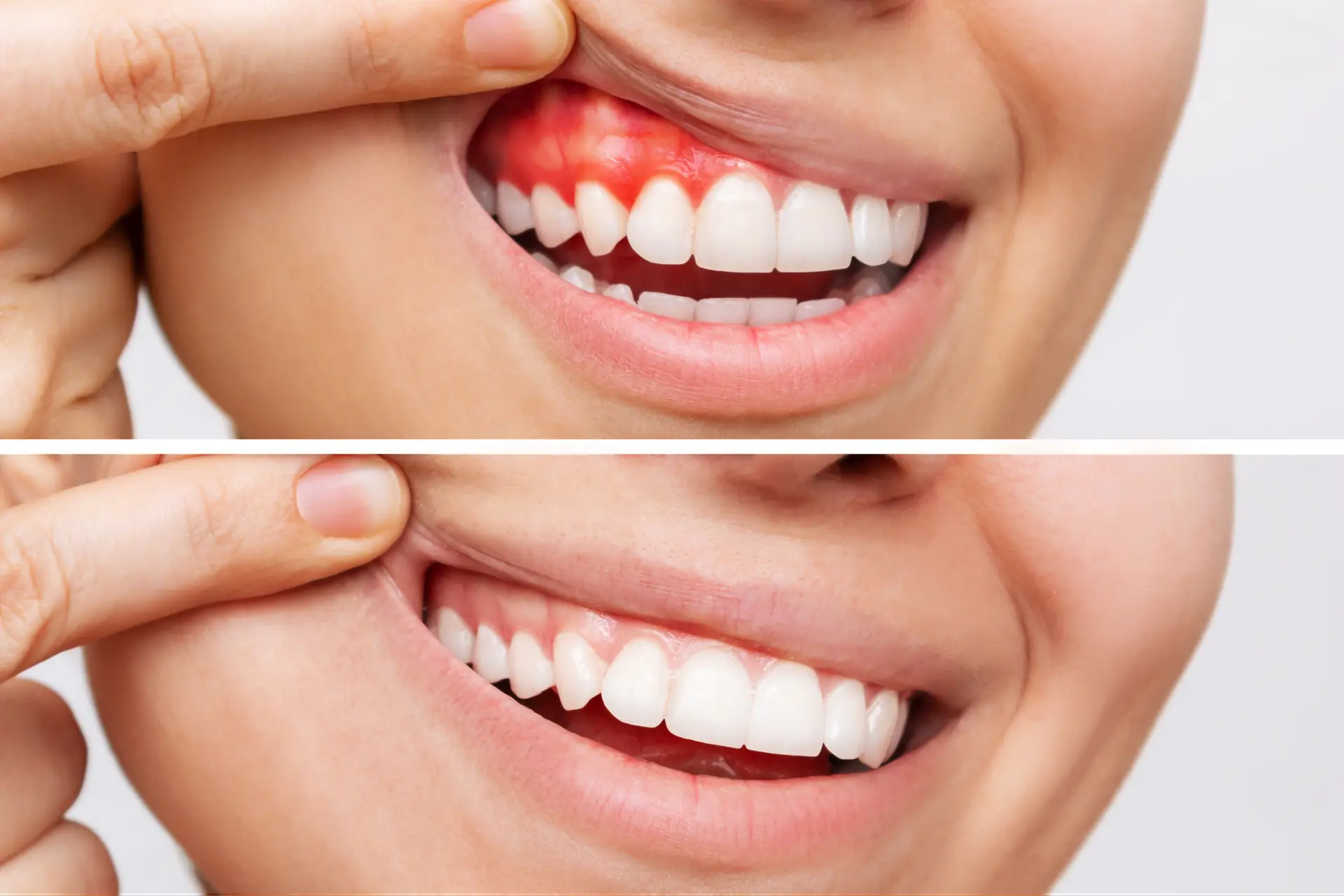


Seeing blood when you brush or floss can be easy to ignore, but it is usually your gums trying to tell you something. Bleeding does not always mean a serious problem, but it is often one of the first warning signs that your gum health needs attention.
Understanding common bleeding gums causes can help you know when the issue is minor and when it may point to something more serious. From early gingivitis symptoms to signs that you may need gum disease treatment in Rock Hill, SC, it helps to know what your gums are trying to tell you.
Is Bleeding Gums Always a Sign of Gum Disease?
No, bleeding gums are not always a sign of gum disease. While it is often associated with gingivitis symptoms, there are other reasons why gums might bleed.
Common Causes of Bleeding Gums
- Gingivitis: This is the earliest stage of gum disease, where gums become inflamed due to plaque buildup. Gingivitis is often characterized by gums that bleed easily when brushing or flossing.
- Brushing Too Hard: Brushing your teeth with too much force or using a toothbrush with hard bristles can damage gum tissue and cause it to bleed.
- Poor Oral Hygiene: Neglecting your daily oral care routine (brushing and flossing) can lead to plaque buildup, which irritates the gums and causes bleeding.
- Hormonal Changes: Pregnancy, menstruation, and menopause can all cause changes in hormone levels, which may lead to sensitive or swollen gums that bleed more easily.
- Medications: Certain medications, such as blood thinners, can make it easier for your gums to bleed.
While gum disease treatment in Rock Hill, SC may be needed if the bleeding is due to gum disease, it’s important to rule out other causes first.
Can Brushing Too Hard Cause Gums to Bleed?
Yes, brushing too hard can lead to bleeding gums. The force applied while brushing can irritate the gum tissue, causing it to become inflamed and bleed. It’s crucial to use a gentle, controlled brushing motion to avoid damaging your gums.
Signs That You’re Brushing Too Hard
- Receding gums: If your gums are gradually pulling back from your teeth, it could be due to aggressive brushing.
- Sore or tender gums: If your gums feel sore after brushing, you may be using too much pressure.
- Bleeding during brushing: This is a common sign that you are brushing too hard or using a toothbrush with hard bristles.
How To Brush Properly
To avoid damaging your gums, use a soft-bristled toothbrush and apply gentle pressure. Brush in small, circular motions rather than scrubbing back and forth.
How Do You Stop Gums From Bleeding Fast?
If your gums are bleeding, there are several steps you can take to stop it quickly. However, it’s important to determine the underlying cause to ensure long-term health.
Immediate Steps to Take
- Rinse with salt water: Mix a teaspoon of salt in warm water and gently rinse your mouth. Saltwater helps reduce inflammation and can stop the bleeding.
- Apply gentle pressure: If you’re bleeding after flossing or brushing, gently press a clean cloth or gauze to the affected area for a few minutes.
- Use cold compresses: If swelling accompanies the bleeding, applying a cold compress to the outside of your face can help reduce inflammation and slow the bleeding.
- Avoid further irritation: Refrain from brushing or flossing the affected area until the bleeding has stopped, but continue with your regular oral hygiene routine for other parts of your mouth.
When to Seek Help
If the bleeding persists, does not stop after a few minutes, or happens frequently, it may be time to see a dentist for an evaluation.
When Should Bleeding Gums Become a Concern?
Bleeding gums should become a concern if:
- The bleeding happens regularly: Occasional bleeding may not be a problem, but if it happens frequently, it could be a sign of gum disease or another underlying issue.
- It’s accompanied by swelling or pain: If bleeding is combined with swelling, tenderness, or pain, you may have symptoms, or a more serious form of gum disease like periodontitis.
- The bleeding occurs without provocation: If your gums bleed without brushing, flossing, or irritation, it could indicate a more severe problem that requires dental intervention.
Ignoring persistent bleeding gums can lead to more serious conditions like periodontitis, which may result in tooth loss. Therefore, if bleeding persists, it is time to seek professional care.
Can Vitamin Deficiency Cause Bleeding Gums?
Yes, vitamin deficiency can contribute to bleeding gums. Deficiencies in specific vitamins can cause the gums to become inflamed, weak, and prone to bleeding. The most common vitamin deficiencies linked to bleeding gums are:
Vitamin C Deficiency (Scurvy)
Vitamin C plays a critical role in maintaining healthy gums and tissues. A lack of vitamin C can cause scurvy, which leads to swollen, bleeding gums and other oral health issues.
Symptoms include:
- Gums that bleed easily
- Sore and swollen gums
- Receding gums
- Loose teeth
Vitamin K Deficiency
Vitamin K helps with blood clotting. If you’re deficient in this vitamin, your blood may have trouble clotting, which could cause your gums to bleed more easily.
Other Deficiencies
Deficiencies in other nutrients, such as vitamin D or B12, may also contribute to gum health problems.
If you suspect a vitamin deficiency, it’s a good idea to visit a doctor or dentist for advice and potential supplementation.
Is Flossing Supposed to Make Your Gums Bleed?
Flossing is an essential part of maintaining healthy gums, but it should not cause consistent bleeding. If your gums bleed when flossing, it may be a sign of inflammation, but it’s important to determine the cause.
When Bleeding Occurs During Flossing
- New to flossing: If you’ve just started flossing regularly, your gums may bleed for the first few days as they get used to the flossing process. This should stop once your gums become healthier.
- Gingivitis or early gum disease: Bleeding gums during flossing is a common gingivitis symptoms. Gingivitis occurs when plaque builds up on the teeth and gums, leading to irritation and inflammation.
When To Be Concerned
If your gums bleed consistently when flossing or the bleeding doesn’t stop after a few days, it’s important to see a dentist to check for gum disease.
How Do Dentists Treat Bleeding Gums?
Treatment for bleeding gums depends on the underlying cause. If gum disease treatment in Rock Hill, SC is needed, a dentist will likely recommend a course of treatment designed to reduce inflammation, remove plaque, and promote gum healing.
Common Treatments For Bleeding Gums
- Deep cleaning: If the cause is gingivitis or periodontitis, the dentist may recommend a deep cleaning (scaling and root planing) to remove plaque and tartar from beneath the gum line.
- Antibiotics: For severe cases of gum disease or bacterial infections, a dentist may prescribe topical or oral antibiotics to reduce infection and promote healing.
- Improved oral care: Dentists often recommend that patients improve their oral hygiene routine, which includes brushing twice daily, flossing, and using mouthwash. A dentist may also provide guidance on how to brush and floss more effectively.
- Dietary changes: If a vitamin deficiency is causing your bleeding gums, your dentist or healthcare provider may recommend dietary changes or supplements.
- Surgical treatment: In advanced cases of periodontitis, surgical intervention may be necessary to repair damaged gums or tissue.
Conclusion
Bleeding gums may seem like a small issue, but they can be an early sign that something in your oral health needs attention.
Sometimes the cause is simple, like brushing too hard or changing your flossing routine. Other times, it may point to inflammation, vitamin deficiency, or gum disease that should not be ignored.
The key is paying attention to what your gums are telling you. The sooner you understand the cause and take action, the easier it is to protect your gums, teeth, and long-term oral health.
You can also learn more about receding gums care and periodontal services and the value of regular check-ups and professional cleaning as part of protecting your overall gum health.
Get Professional Gum Disease Treatment in Rock Hill, SC
Bleeding gums are a common issue, but they should never be ignored. Whether the cause is gum disease treatment, over-brushing, vitamin deficiencies, or poor oral hygiene, it’s essential to understand the underlying issue and take the appropriate steps to address it.
At River District Dentistry Smiles in Rock Hill, SC, we offer comprehensive care for bleeding gums, including preventive care, professional teeth cleanings, and customized treatment plans for gum disease. If you’re experiencing bleeding gums or any other oral health concerns, contact us today to schedule an appointment and protect your smile.