

Concerns regarding oral health during pregnancy are frequent among women who are pregnant. Preventive dental cleanings and exams performed by a dentist near you on an annual basis are not only safe to receive while pregnant but also highly encouraged.
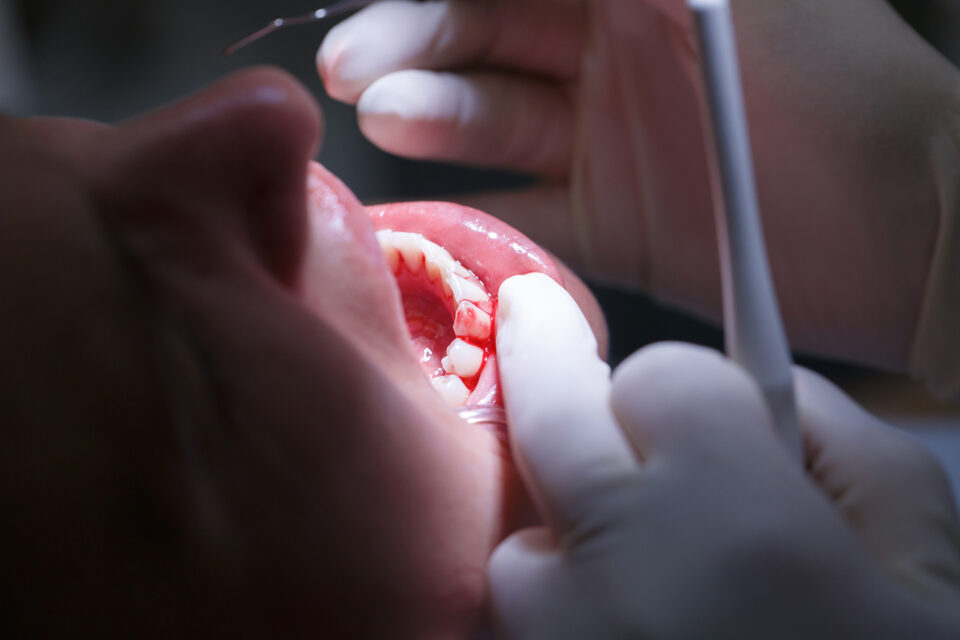
Because of the elevated levels of hormones that occur during pregnancy, your gums may enlarge, bleed, and become more irritated due to food and plaque becoming trapped around them.
Getting routine dental checkups and cleanings during pregnancy is important for maintaining oral health and addressing problems such as gum disease before they become more serious.
Toothaches In Pregnancy And Other Dental Needs
When dental procedures such as cavity fillings and crowns are needed during pregnancy, your dentist will take appropriate precautions to protect both you and your developing baby.
If non-urgent dental work needs to be completed while a woman is pregnant, the second trimester is often considered a comfortable time for treatment. As you approach the third trimester, lying on your back for an extended period may become uncomfortable.
In some cases, immediate dental care may be necessary, such as treating a painful cavity, addressing an infection, repairing a damaged tooth, or removing a tooth that cannot be saved. Necessary dental problems should not simply be ignored because of pregnancy.
Elective treatments, such as teeth whitening and other cosmetic procedures, are generally postponed until after delivery. Your dentist can help distinguish between treatment that can safely wait and treatment that should be addressed during pregnancy.
What Should Be Done Regarding the Medication?
Medication use during pregnancy should always be considered carefully. Your dentist should know that you are pregnant before prescribing medication or administering local anesthesia.
Lidocaine is commonly used as a local anesthetic during dental procedures. When dental work is necessary, the amount of anesthetic should be sufficient to keep you comfortable while using the lowest appropriate amount for the procedure.
Tell your dentist if you are experiencing pain during treatment. Adequate numbing is important because unnecessary pain and stress are not beneficial for you during pregnancy.
Dental infections sometimes require antibiotics. Your dentist will consider your pregnancy, medical history, allergies, stage of pregnancy, and the severity of the infection before prescribing medication.
If needed, your dentist may also coordinate with your obstetrician or another healthcare provider to determine which medications are appropriate.
Routine dental examinations and cleanings can generally continue during pregnancy. When more extensive treatment, such as cavity fillings, crowns, extractions, or treatment for an active dental infection, becomes necessary, your dentist can determine the appropriate timing based on your individual situation.
If you are pregnant and require dental care, do not hesitate to tell your dentist. Discussing your pregnancy and any medications you are taking allows your dental team to recommend appropriate treatment while keeping both your oral health and pregnancy in mind.
Are Dental X-rays Safe?
Routine X-rays that are not immediately necessary may sometimes be delayed until after the baby is born. However, dental X-rays can be important when diagnosing pain, infection, trauma, or another dental concern that requires timely care.
Modern dental X-rays use very low levels of radiation. Your dentist will determine whether an X-ray is necessary based on your symptoms and the information needed to diagnose your condition.
The American Dental Association and the American College of Obstetricians and Gynecologists recognize that dental X-rays may be performed during pregnancy when they are clinically necessary.
Some expectant mothers may prefer to postpone non-urgent dental procedures during early pregnancy. However, dental problems that involve significant pain, infection, swelling, or other urgent concerns should still be professionally evaluated.
Dental work that is not urgent may also be postponed during the later stages of pregnancy when lying comfortably in a dental chair becomes more difficult.
Your dentist can help determine whether treatment should be performed during pregnancy or whether it can reasonably wait until after delivery.
Is Dental Anesthesia Safe During Pregnancy?
Local anesthetics are commonly used when dental procedures need to be performed during pregnancy.
As with any medication used while pregnant, it is important to discuss your pregnancy, medical history, current medications, and any concerns you may have with your dentist before treatment.
Your dentist will use an appropriate amount of anesthetic to keep you comfortable throughout the procedure.
If you are concerned about anesthesia or medication use during pregnancy, your dentist can also communicate with your obstetric provider when additional guidance is appropriate.
Avoiding necessary dental treatment solely because local anesthesia may be needed can allow an untreated cavity or infection to become more serious.
Should I Follow Up with My Dentist After I Give Birth?
Your teeth and gums can go through changes during pregnancy and after you have given birth.
Hormonal changes during pregnancy may increase gum sensitivity, inflammation, and bleeding. Changes in diet, morning sickness, dry mouth, oral hygiene habits, and other factors may also affect your dental health.
After giving birth, scheduling a follow-up appointment with your dentist is a good opportunity to evaluate your teeth and gums.
Any elective treatment that was postponed during pregnancy can also be discussed at this appointment.
Your dentist may check:
- Your teeth for cavities
- Existing fillings and crowns
- Gum inflammation or bleeding
- Plaque and tartar buildup
- Areas of sensitivity or discomfort
- Any dental problems that developed during pregnancy
Maintaining regular dental checkups after pregnancy is important for your own oral health.
Your child should also begin receiving age-appropriate dental care early in life. The American Academy of Pediatric Dentistry recommends establishing a dental home when the first tooth appears and no later than the child’s first birthday.
Don’t Avoid Dental Care During Your Pregnancy
Pregnancy involves regular communication with physicians and other healthcare professionals. Your dentist should be considered part of that healthcare team.
Most routine dental services can still be provided during pregnancy. Necessary treatment for cavities, broken teeth, gum problems, and dental infections can also be evaluated rather than automatically postponed until after delivery.
Delaying a small dental problem may allow it to become larger.
For example, an untreated cavity can continue to deepen. A damaged tooth may become more difficult to restore. Gum inflammation may progress when plaque and tartar are not addressed.
Tell your dentist that you are pregnant, how far along you are, and whether your obstetrician has identified any pregnancy-related concerns.
Your dentist can then determine which treatment is appropriate now and which elective procedures can safely wait.
Call Us Today for Professional Help!
Preventive care and regular dental follow-up are important parts of maintaining oral health during pregnancy.
Routine examinations allow your dentist to identify cavities, gum inflammation, broken dental work, and other concerns before they become more complicated.
If a dental problem develops while you are pregnant, addressing it early can often make treatment simpler and help prevent unnecessary discomfort.
River District Smiles provides preventive, restorative, and emergency dental care for patients in Rock Hill and surrounding communities.
If you are pregnant and have a cavity, toothache, broken tooth, swollen gums, or another dental concern, contact River District Smiles to schedule an evaluation.
Our dental team can examine the problem, discuss your pregnancy and medical history, and recommend an appropriate course of care for your individual needs.