

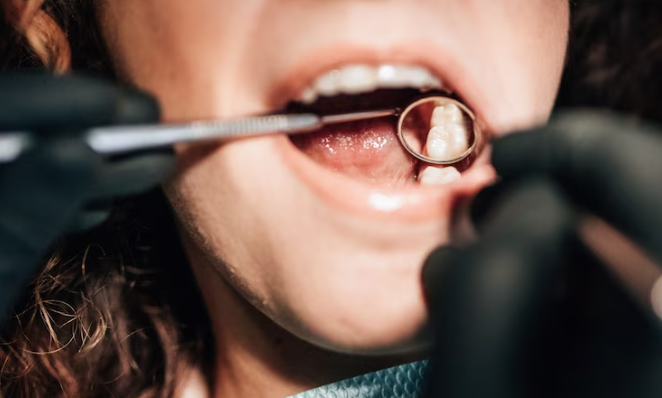

There’s a moment in every dental appointment that feels almost ceremonial.
You sit back. The chair reclines. The overhead light swings into position. And then you hear the words:
“Okay, go ahead and open.”
To you, it’s just a mouth. Maybe you brushed a little longer that morning. Maybe you’re hoping they won’t notice you skipped flossing last week.
But here’s the honest truth: dentists notice things instantly. Not in a judgmental way. Not in a dramatic TV-show reveal kind of way. Just quietly, professionally, and almost automatically.
Years of training turn that first glance into a flood of information.
Let’s talk about five things dentists notice the moment you open your mouth — that you probably don’t.
What Do Dentists Check First When a Patient Opens Their Mouth?
You might assume dentists go straight to your teeth.
Sometimes they do. But often, the first things they’re assessing are broader patterns.
Within seconds, they’re noticing:
- Overall oral hygiene
- Gum color and contour
- Plaque accumulation
- Tooth alignment
- Signs of inflammation
It’s less about finding one cavity immediately and more about scanning the landscape.
Dentists are trained to see patterns. For example:
- Red, swollen gums? Possible gingivitis.
- White chalky spots on enamel? Early demineralization.
- Crowded teeth? Higher plaque retention risk.
They’re also looking at symmetry. Do the gums look even? Does one side appear more inflamed than the other? Are certain areas consistently showing wear?
Even how you open your mouth can give clues. If you hesitate, wince, or can’t open fully, that may signal jaw joint issues.
This first scan isn’t random. It’s systematic.
It’s a mental checklist running in real time.
How Can Dentists Tell If You Have Gum Disease Right Away?
Gum disease doesn’t usually announce itself with fireworks.
There’s rarely dramatic pain at first. That’s why so many people are surprised when they hear the word “gingivitis” or “periodontal disease.”
But dentists see early warning signs immediately.
Here’s what they look for:
1. Gum Color
Healthy gums are typically light pink (though pigmentation varies naturally).
Early gum disease often presents as:
- Redness
- Darker, inflamed patches
- Uneven coloration
2. Swelling
Gums should hug the teeth snugly.
If they appear puffy or swollen, that’s often a sign of inflammation caused by plaque buildup.
3. Bleeding Tendency
Even gentle probing can reveal whether gums bleed easily.
Bleeding is one of the earliest indicators of gum disease.
4. Gum Recession
Dentists measure how far the gum tissue has pulled back from the tooth surface.
Receding gums expose more of the tooth root, increasing sensitivity and risk of decay.
5. Tartar Buildup
Hardened plaque (tartar) near the gumline is a major contributor to gum disease.
Dentists can often see and feel these deposits immediately.
The tricky part? Many patients don’t feel gum disease until it becomes advanced.
That’s why routine exams matter. Dentists catch what you can’t feel yet.
Do Dentists Notice Signs of Teeth Grinding During a Routine Exam?
Absolutely.
Teeth grinding, also known as bruxism, leaves behind physical evidence. And dentists are trained to spot it quickly.
Here’s what they often see:
Flattened Tooth Surfaces
Teeth naturally have contours and slight ridges.
Grinding smooths those down over time.
Small Chips or Fractures
Constant pressure can create:
- Tiny enamel cracks
- Worn edges
- Chipped front teeth
Increased Tooth Sensitivity
Excessive grinding wears down enamel, exposing dentin underneath.
Patients may report sensitivity, but dentists can often see enamel thinning before symptoms become obvious.
Jaw Muscle Tension
During the exam, dentists may feel tightness in the jaw muscles or notice tenderness when checking joint movement.
Indentations on the Tongue or Cheeks
Sometimes grinding is accompanied by clenching. That pressure can leave subtle indentations along the sides of the tongue.
Many people don’t realize they grind their teeth. Often, it happens during sleep.
A routine exam can uncover grinding damage long before it becomes painful.
Can Dentists Detect Health Problems Just By Looking Inside Your Mouth?
This one surprises people.
Your mouth isn’t isolated from the rest of your body. It reflects overall health more than you might expect.
Dentists aren’t diagnosing complex medical conditions in a glance, but they can detect early signs that warrant further evaluation.
Here are a few examples.
Vitamin Deficiencies
Certain deficiencies can show up as:
- Pale oral tissues
- Cracks at the corners of the mouth
- Smooth or swollen tongue
Dry Mouth
Chronic dry mouth may signal:
- Medication side effects
- Autoimmune conditions
- Dehydration issues
Saliva plays a protective role. When it’s lacking, dentists notice quickly.
Acid Erosion
Frequent acid exposure can leave enamel looking:
- Thinner
- More translucent
- Rounded at the edges
This may be related to acid reflux, dietary habits, and certain eating disorders. Dentists approach these findings carefully and compassionately.
Oral Cancer Screening
Every comprehensive exam includes an oral cancer screening.
Dentists check for:
- Unusual lesions
- White or red patches
- Persistent sores
- Tissue irregularities
Early detection dramatically improves outcomes.
Signs of Systemic Conditions
Inflammation in the gums has been linked to broader health concerns like heart disease and diabetes.
Dentists may not diagnose those conditions directly, but they may encourage medical follow-up if patterns raise concern.
Your mouth is a window.
And dentists are trained to look through it thoughtfully.
The Subtle Things You Probably Don’t Notice
Beyond the major categories, dentists often pick up on small details:
- Whether your flossing pattern is consistent
- If one area of your mouth gets neglected
- If dental work from years ago is beginning to fail
- If bite alignment is shifting
They notice wear patterns that reveal chewing habits. They observe how your upper and lower teeth meet. They assess how restorations are holding up.
It’s not about criticism. It’s about prevention.
Dentists don’t expect perfection. They expect patterns.
Why This Matters
You may brush daily. You may floss occasionally. You may feel fine.
But dentistry is about early detection.
The things dentists notice first are often:
- Small
- Painless
- Easy to treat
Catching them early prevents:
- Larger restorations
- Deeper infections
- More invasive procedures
That first glance when you open your mouth? It’s not casual.
It’s the beginning of prevention.
Your Smile Deserves That First Look
At River District Smiles Dentistry, we believe every exam is an opportunity to protect your long-term health, not just your teeth.
Our team performs comprehensive evaluations that look beyond the obvious, identifying early signs of gum disease, enamel wear, jaw strain, and other concerns before they escalate.
If it’s been a while since your last visit, schedule your appointment today. Let us take that first professional look — and help you maintain a healthy, confident smile for years to come.